



“AI at CureBay is not aspirational, it’s operational.”- CEO, Priyadarshi Mohapatra
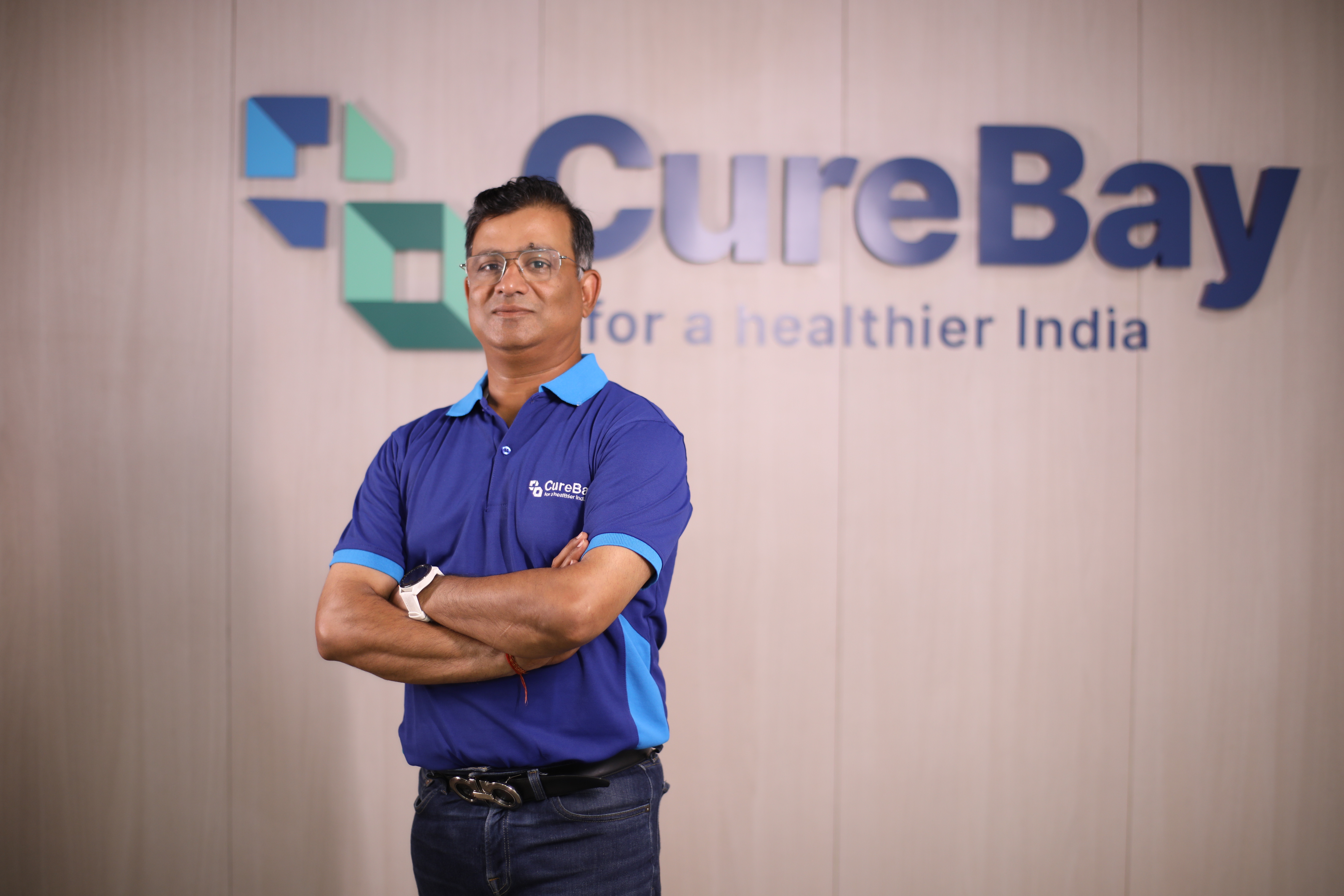
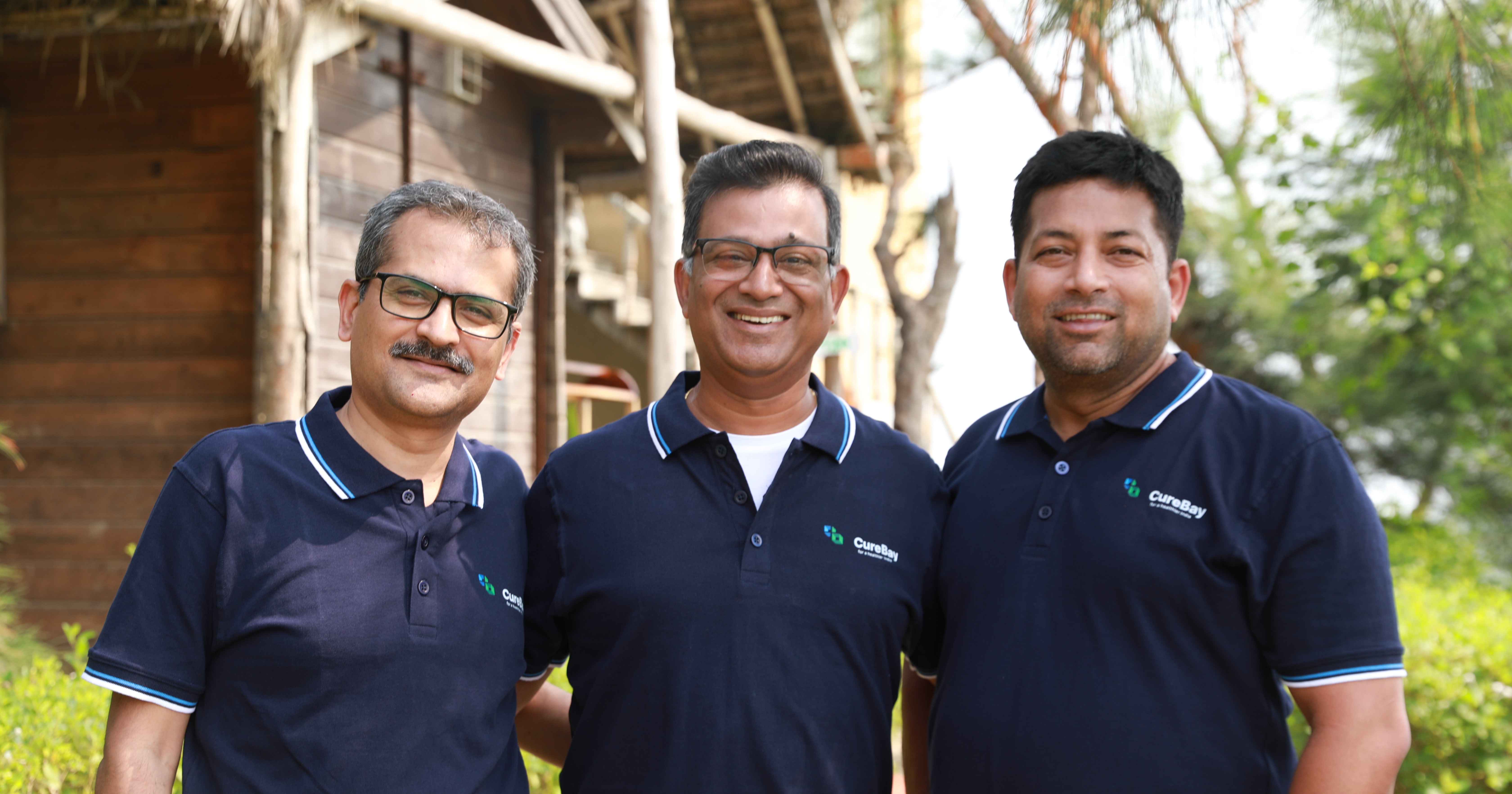
As India’s healthcare sector embraces rapid digital transformation, the focus is shifting from urban-centric innovation to inclusive, last-mile delivery. Technology, AI, and hybrid care models are now driving a new era of accessible and equitable healthcare, especially for underserved populations. In this landscape, Bhubaneswar-based CureBay, founded in 2021, is making a significant impact. Led by Founder & CEO Priyadarshi Mohapatra and co-founders Shobhan Mahapatra and Sanjay Swain, CureBay is bridging the rural healthcare gap with a hybrid model that combines tech-driven efficiency with on-ground care.
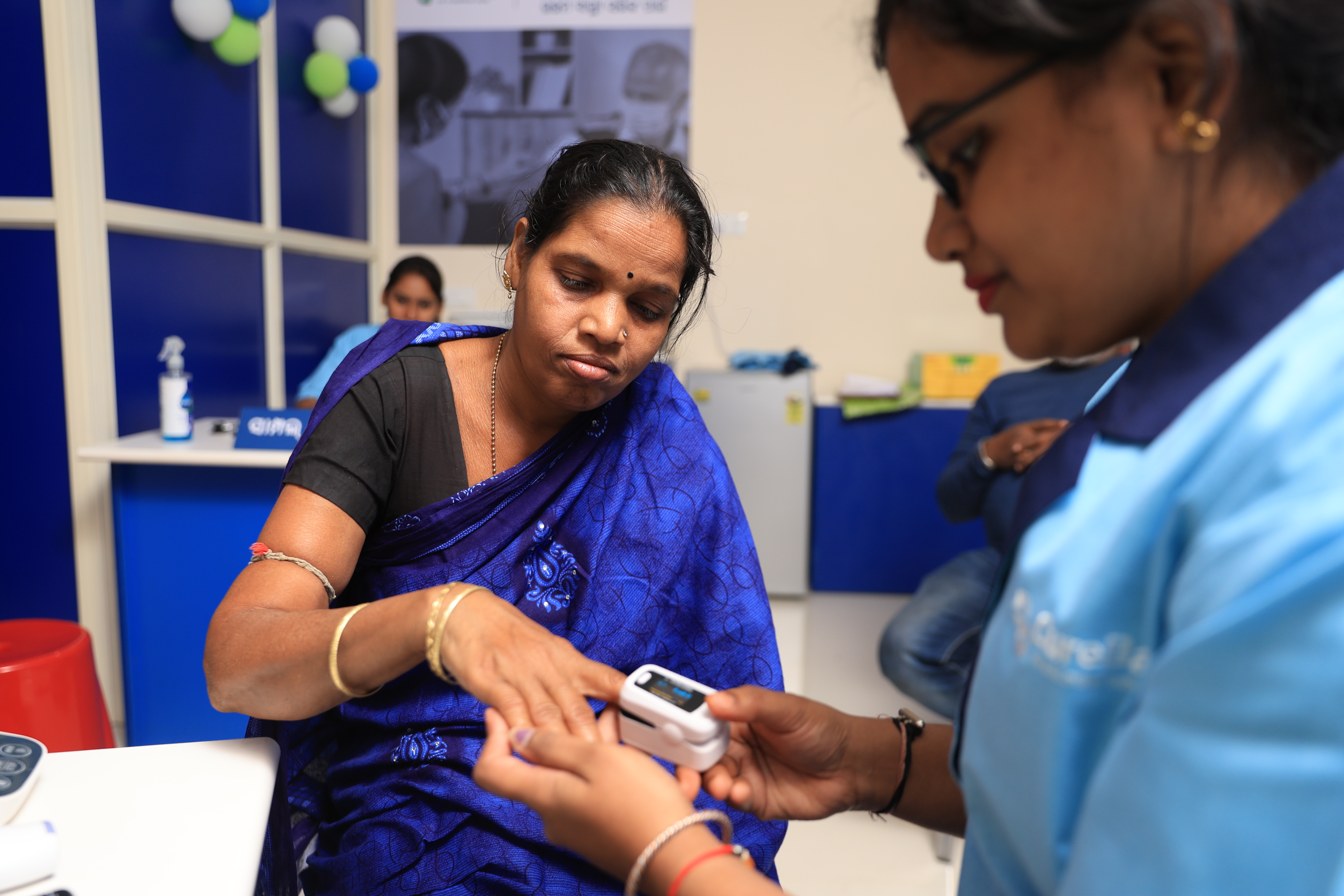
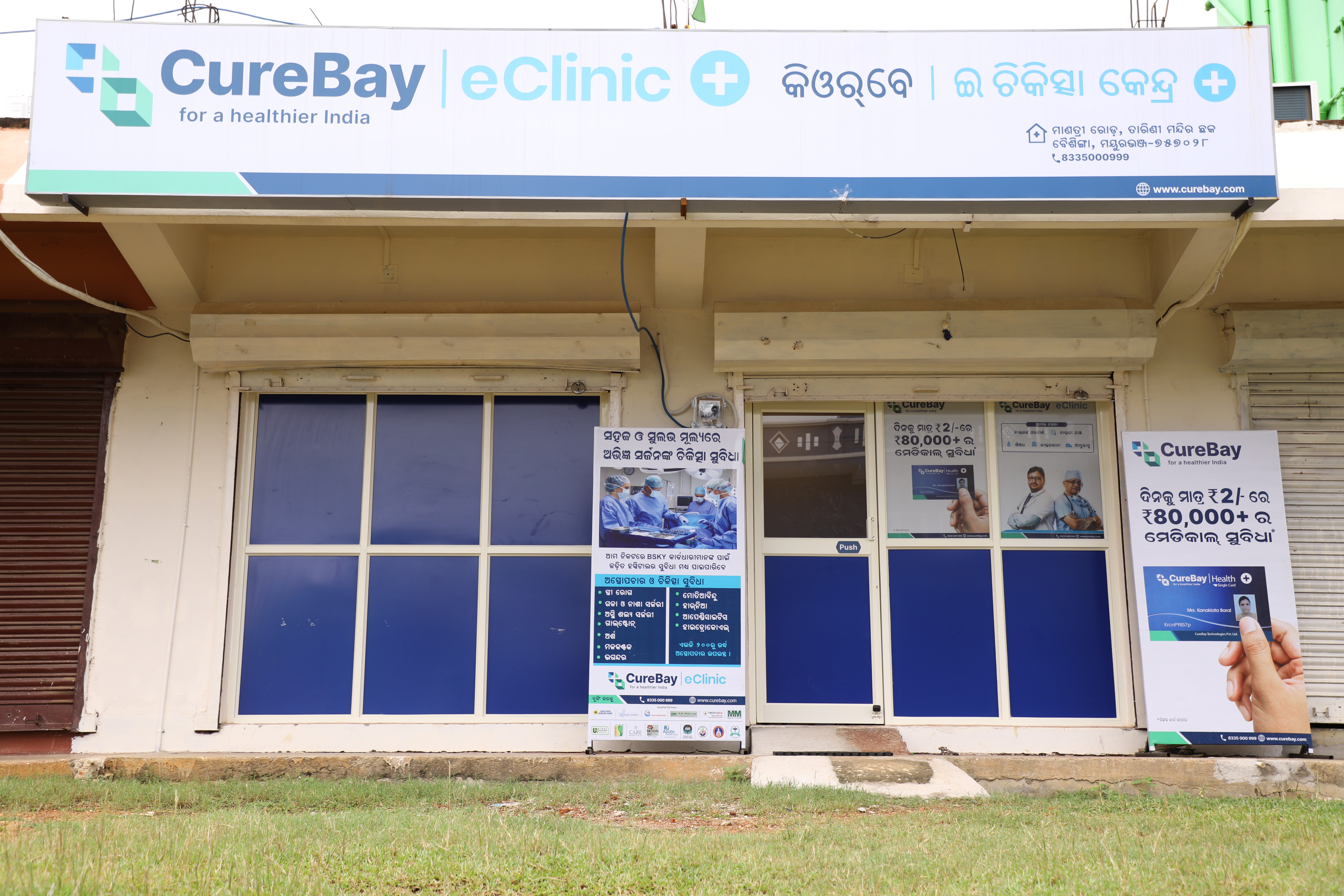
With over 150 eClinics in Odisha and Chhattisgarh, and expansion plans across eastern and northern India, CureBay offers ‘assisted digital care’, staffed clinics powered by real-time diagnostics and teleconsultation.
Backed by $21 million in Series B funding, the startup is scaling its tech, teams, and territory. In this interview by MyCityLinks, Priyadarshi shares how CureBay is building trust, not just infrastructure, for Bharat’s health future. Here are the excerpts.
You’ve recently raised $21 million in Series B funding. What are the immediate and long-term priorities for deploying this capital?
The $21 million raised in our Series B round is a mandate to scale CureBay’s mission in delivering equitable, dignified healthcare to rural India through a tech-powered, community-anchored model. In the immediate term, capital will go toward three areas. They are as follows.
●Technology: We are deepening investments in our proprietary tech stack, built fully in-house to integrate AI/ML, IoT diagnostics, and generative AI tools into rural care delivery. This includes building predictive care models, platform upgrades, and rural-first automation tools.
●Talent: We’re expanding our leadership and frontline teams across healthcare delivery, engineering, and operations. Solving for Bharat (India) requires not just skills, but alignment with the purpose and this funding helps us build a team that shares that commitment.
●Territory: We’ll expand our eClinic network beyond Odisha and Chhattisgarh into Jharkhand, Bihar, Uttar Pradesh, and Madhya Pradesh. Our circle model, a cluster of 50 clinics, enables cost-efficient, quality-controlled expansion into underserved geographies.
Long-term, this capital strengthens CureBay’s role as a public health infrastructure partner, a model that complements national initiatives like Ayushman Bharat and Viksit Bharat with real-world last-mile execution.
How do you ensure the quality of care in remote eClinics, especially with video consultations replacing in-person visits?
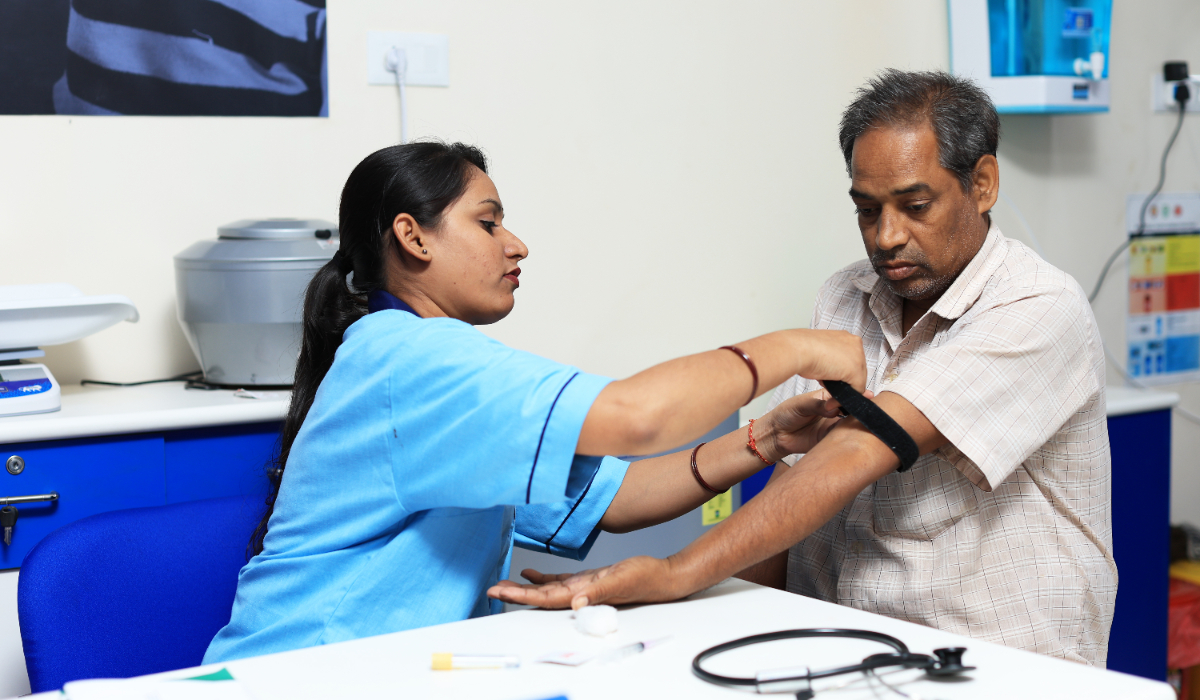
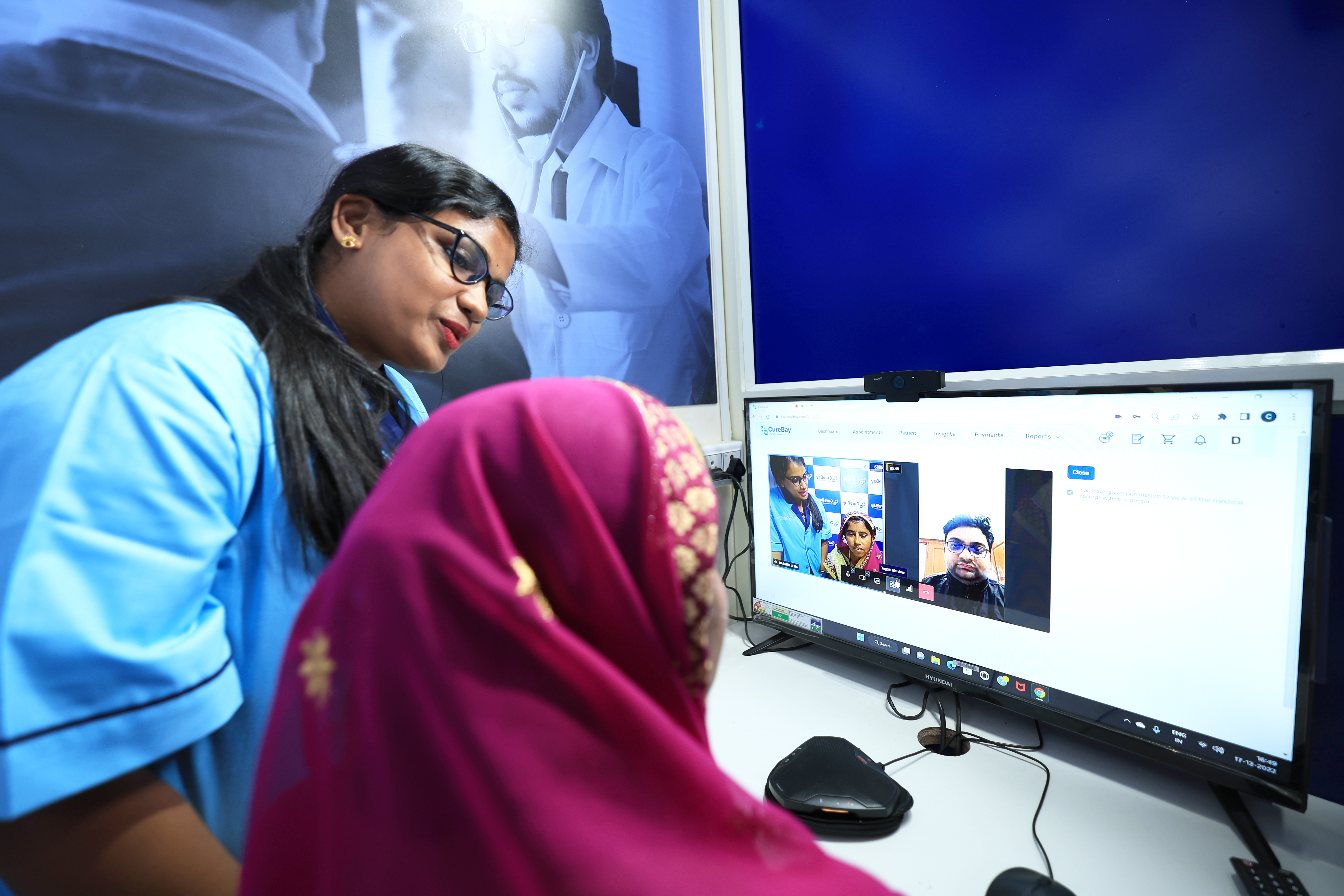
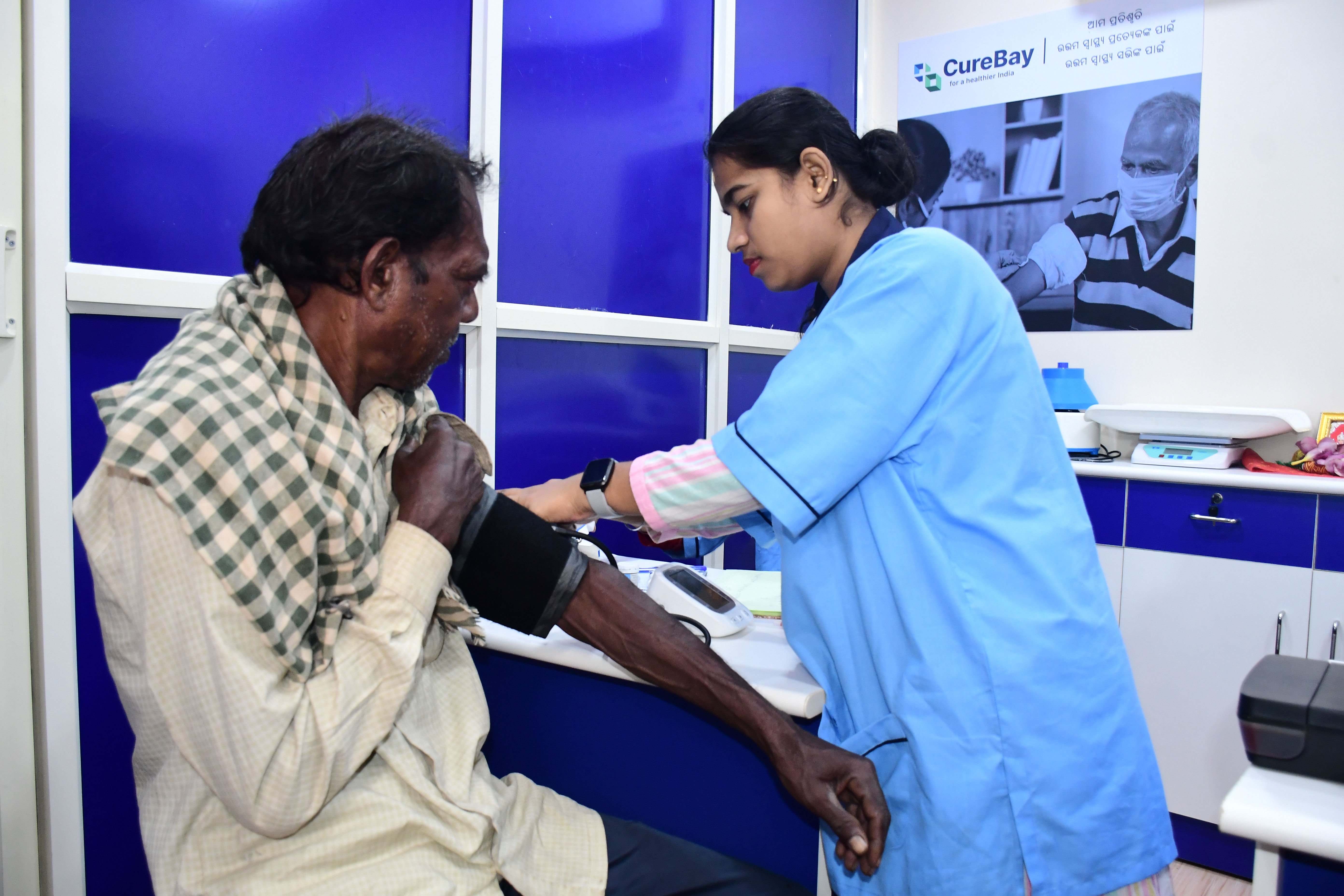
We don’t offer generic teleconsultations, we offer “assisted digital care.” Every eClinic is staffed by trained and certified healthcare workers (nurses, pharmacists), who assist the doctor during the consultation by conducting real-time diagnostics and patient assessments.
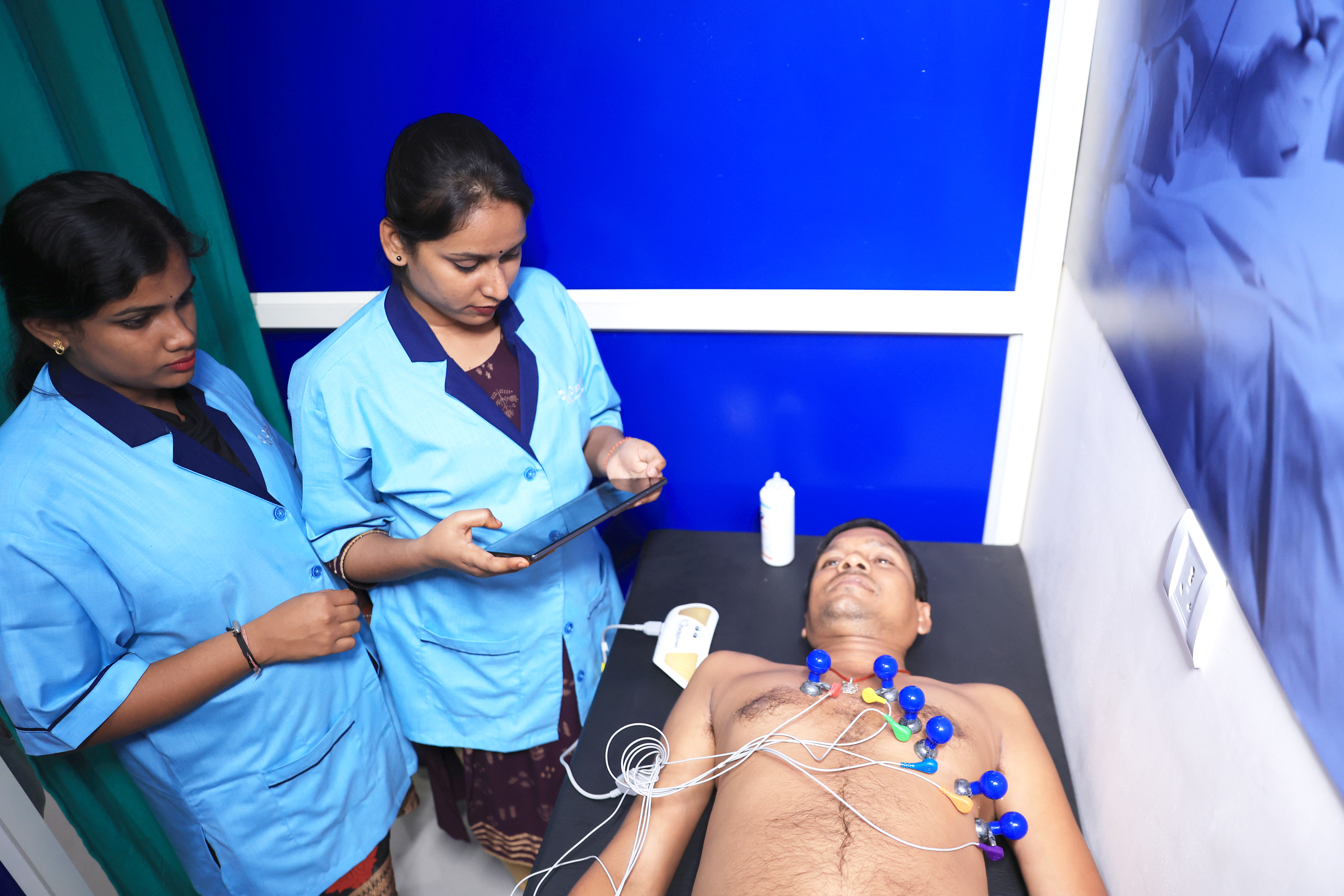
All clinics follow strict SOPs for clinical care, hygiene, sample collection, and consultation workflows. The caregiver captures vitals (BP, sugar, ECG), conducts point-of-care tests, and enters clinical notes, all of which are visible to the doctor in real time. Every eClinic is equipped with digital tools and medical-grade devices that ensure the quality of diagnosis and prescription doesn’t vary by geography. This hybrid setup, where technology, clinical rigour, and human empathy converge, delivers continuity and quality that rivals urban clinics, adapted for rural realities.
CureBay’s mission revolves around access and not just affordability. Can you elaborate on what that distinction means to you personally and professionally?
Affordability is often assumed to be the primary barrier in rural healthcare. But in our experience, access is the bigger gap like physical, informational, and systemic. Professionally, this insight came during our earliest field visits. Families were spending significant amounts, sometimes more than urban households but were paying for incomplete or unsafe care. What they lacked wasn’t the willingness to pay, but a dependable, nearby, and dignified health ecosystem.
Personally, this belief was crystallized during the pandemic. Despite working at Google and living in Gurgaon, I found it hard to get timely medical care. That moment was humbling and led to the question, if this is my struggle, what must it be like for Bharat (India)?
Today, CureBay is solving that question. We don’t just deliver cheaper services, we deliver reliable, high-quality care within the patient’s reach, wherever they are. With CureBay now operating over 150 clinics across Odisha and Chhattisgarh, what are some on-ground insights or stories that have reinforced your belief in this hybrid model?
Here we get two insights standing out. The first one is, patients in rural India respond quickly to dependable care. In one of our clinics, a woman who had never seen a gynecologist was able to consult a specialist digitally, assisted by a Swasthya Mitra she trusted. That small moment changed her entire perception of what healthcare could be. Second, preventive health is gaining traction in places where it was once thought impossible. Our preventive care program now has over 100,000 active members, with 60%+ renewal. This tells us that when trust is established, rural patients aren’t just reacting to illness, they’re investing in well-being.
We’ve served over 5.5 lakh unique patients, and each interaction validates that the hybrid model, part digital, part physical, fully human is not only viable, but deeply needed.
You mentioned expansion into underserved regions like Jharkhand and Bihar. What are the unique challenges and opportunities you foresee in these states?
The opportunity is enormous. Jharkhand and Bihar have large rural populations with limited access to organized, consistent primary care. Disease burden is high, healthcare infrastructure is fragmented, and travel to urban centers is expensive and time-consuming.
The challenges include cultural and linguistic diversity, which affects care-seeking behavior. Existing informal networks of brokers and unverified pharmacies that patients default to. Infrastructure gaps, especially in diagnostics and tertiary referrals.
Our circle-based expansion model allows us to build clusters that are self-sustaining, combining Swasthya Mitras, eClinics, diagnostic collection hubs, and partner hospitals. The same framework that worked in Odisha and Chhattisgarh is being locally adapted to these states with government alignment and community buy-in as core pillars.
CureBay plans to double down on AI-driven health tech. Could you share specific use cases where AI is already making or is expected to make a tangible difference?
AI at CureBay is not aspirational, it’s operational. AI-assisted diagnostic tools flag abnormalities in ECGs or POC tests, helping doctors triage more effectively. Having Odia-language chatbot it enables patients to interact with CureBay services via voice or text, lowering the literacy and tech barriers to care. Patients can upload images of oral issues; our system provides a preliminary analysis and routes them to the nearest clinic if needed. Our AI models are trained on real, rural Indian health data, making them uniquely suited to Bharat’s needs. As we scale, AI will increasingly power early detection, workflow efficiency, demand forecasting, and eventually, personalized care journeys.
In a fast-scaling startup working in critical sectors like healthcare, how do you balance operational speed with patient safety and trust?
Speed and safety are not competing goals for us, they’re interdependent. We scale through disciplined frameworks, not shortcuts. Our circle model ensures that every 50 clinics share operations, training, logistics, and monitoring, making it easier to control quality as we expand. We maintain central SOPs across all clinics for clinical processes, patient privacy, medicine storage, and diagnostics. Our digital backend flags anomalies, follow-up gaps, and service delays in real time, allowing us to course-correct quickly. Most importantly, we never launch in a new geography without establishing community anchors (Swasthya Mitras) and earning patient trust.
How do you see CureBay’s model complementing or transforming the public healthcare system in rural India?
CureBay is designed to fill the critical execution gap in India’s rural healthcare vision. PHCs and CHCs are often understaffed or too far away. CureBay’s eClinics serve as the first point of contact, with referrals into both private and public hospitals. Our tech platform ensures continuity of care from screening to diagnosis to medication, something often missing in public systems. By offering verified medicines, structured diagnostics, and regulated pricing, we help rural families move away from unqualified providers. We’re not trying to replace public health. We’re building a scalable partner model that can work alongside state and national missions like Ayushman Bharat and Ayushman Bharat Digital Mission.
What has been your most humbling moment on this journey so far?
There are many, but one that stayed with me was a remark from an elderly patient in a remote village. He said, “This is the first hospital that didn’t disappear after the camp.” That statement captures the deeper wound in rural India, not lack of doctors, but lack of reliable presence. For too long, interventions came and went. To be seen as an organization that stayed, that built something permanent, familiar, and accessible is deeply humbling. It reminds us that we’re not just delivering healthcare, we’re restoring faith in what healthcare can mean.
Author: Jyoti Prakash Sahoo
Hailing from the entertainment industry, Jyoti started his career as a cine journalist in 2017. He is an anchor, actor and creative writer too. Currently working as the Content Head of the Odia entertainment YouTube channel 'Mo TV', Jyoti also loves to write human interest and positive stories that can inspire the readers.
Read more from author