
Dupes and the Democratisation of Fashion
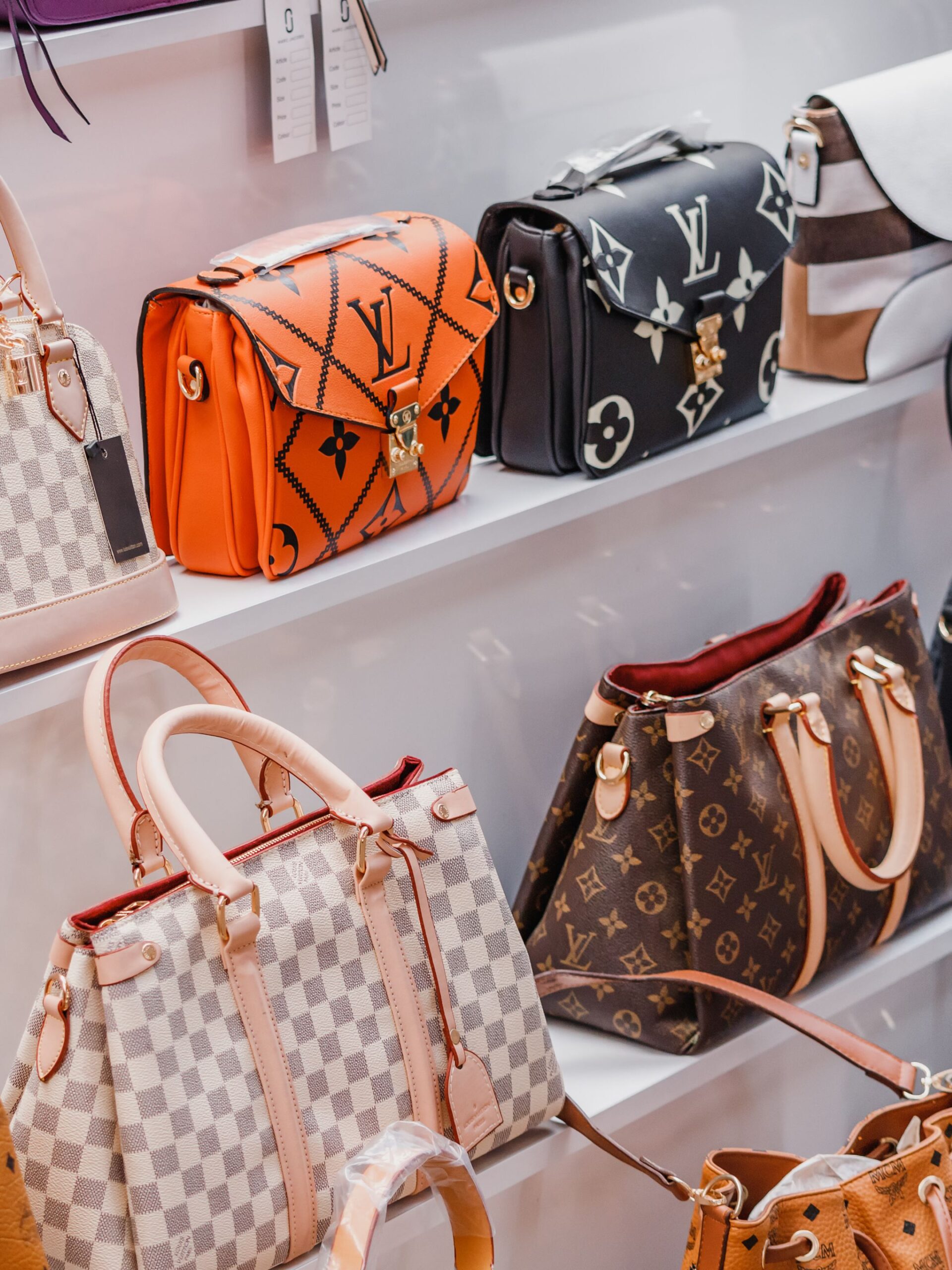
A viral reel that took fashion lovers by storm recently claimed something shocking: some of the world’s most coveted high-end handbags, from names like Gucci and Louis Vuitton, are actually manufactured in China, despite being marketed as “Made in Italy” or “Made in France,” the cradle of luxury craftsmanship. In one widely shared video, a factory-owner asserted that as much as 80% of luxury baggage production starts in China before being finished and labeled in Europe. That revelation didn’t just stir curiosity; it rattled the entire idea of exclusivity traditionally associated with luxury goods.
Whether the claim is entirely accurate or not, its impact says more about today’s consumers than about supply chains. The reel tapped into a deep truth: luxury, as an idea, is no longer solely about where something is made or even whose name is on the label. It’s about perception, access, and increasingly, personal choice. That’s where the story of the rise of dupes in fashion begins, and why this movement is reshaping how we think about style, identity, value, and self-expression.
What Exactly Is a Dupe?
Before we go further, it’s worth clarifying a term that has entered mainstream fashion vocabulary.
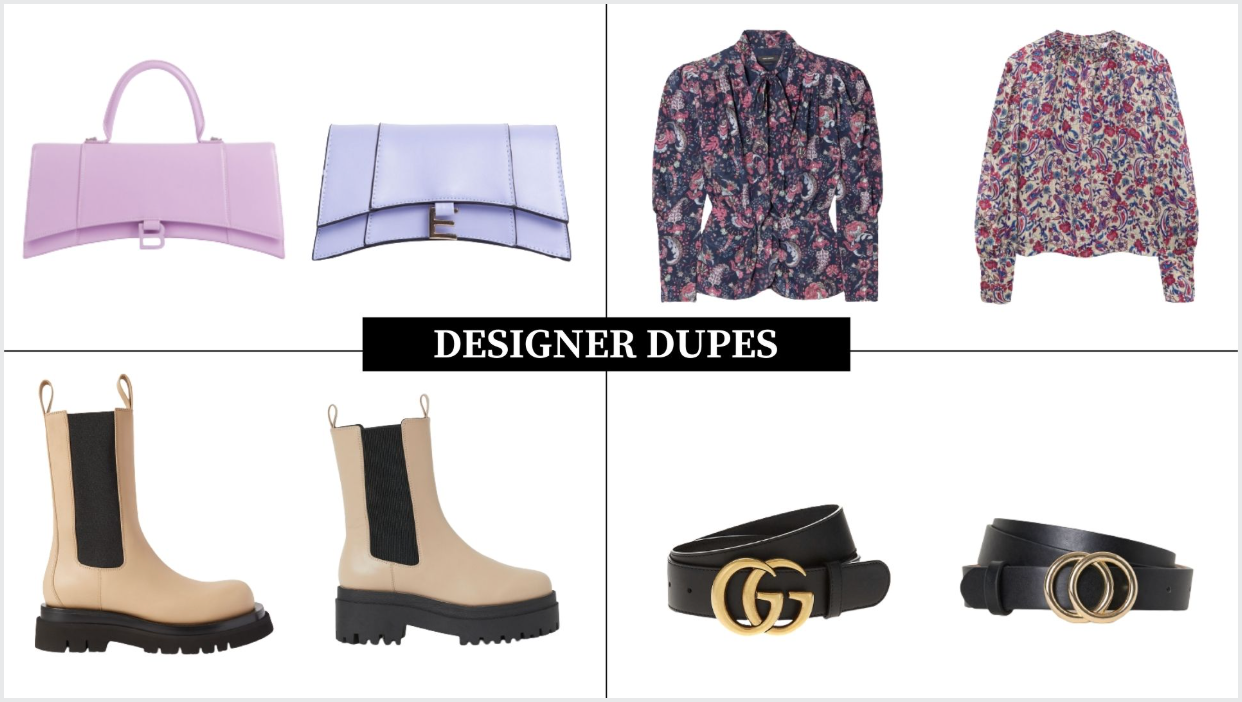
A dupe, short for “duplicate”, isn’t a counterfeit. Unlike illegal knockoffs that copy brand logos and violate trademarks, dupes are products that mimic the look, feel, or aesthetic of a sought-after item without copying the brand name or infringing on intellectual property. They aim to evoke the style of high-end products at a fraction of the price. For example, a handbag that resembles the silhouette of a Hermes or Louis Vuitton but doesn’t bear those specific logos, sold at a low price, would be considered a dupe. It’s fashion diffusion, and the phenomenon has ballooned far beyond its origins in affordable cosmetic dupes.
The Bag That Started It All and How Dupes Took Over
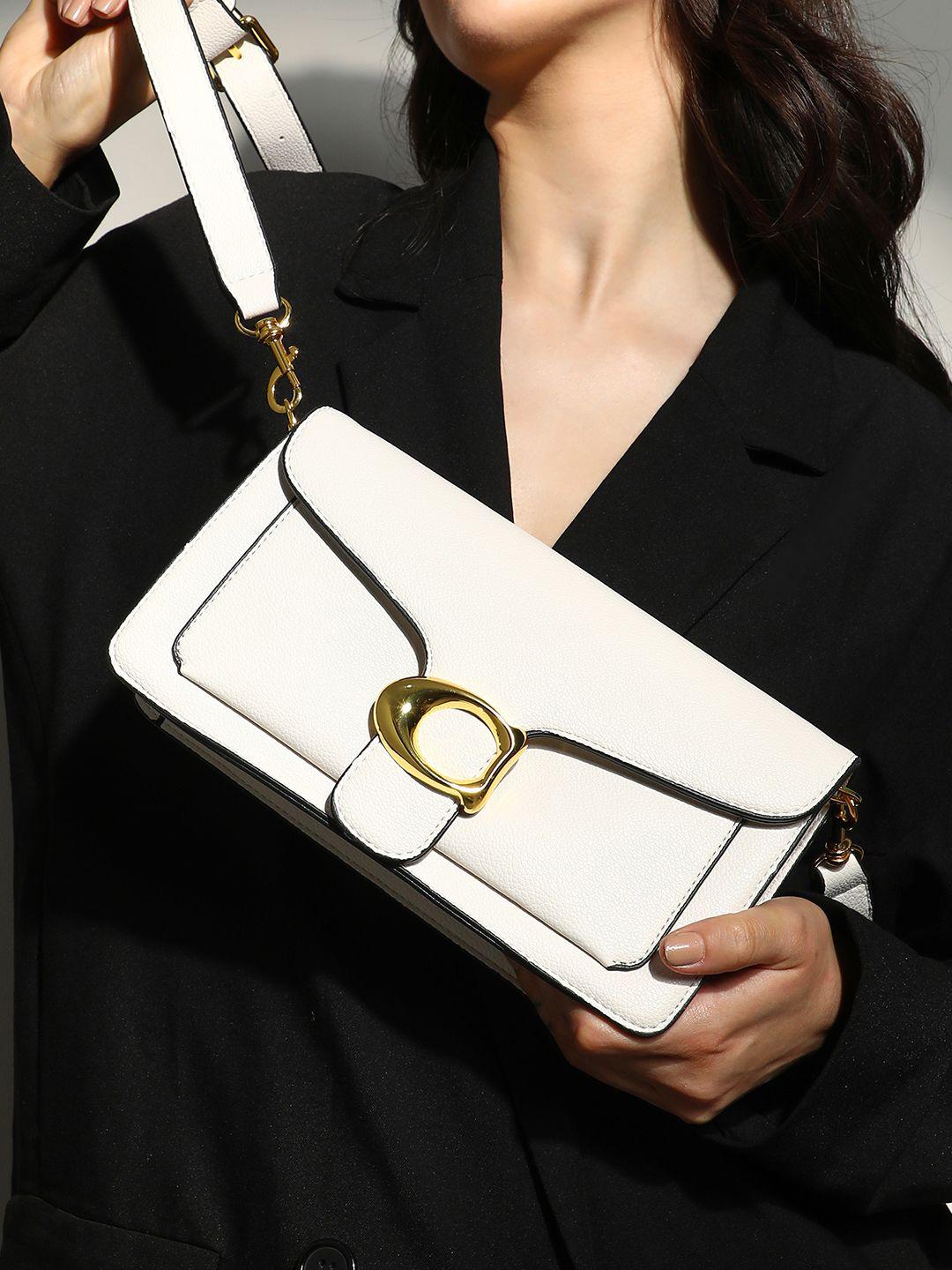
Handbags are often fashion’s ultimate status symbol. Historically, owning a Hermes Birkin, originally inspired by British actress Jane Birkin, was aspirational, not attainable. The Birkin isn’t just a bag; it’s a financial and social statement. And now, the viral reel’s suggestion that luxury bags might not be as exclusive in origin as advertised struck a nerve because it challenged the myth around prestige.
Behind the internet buzz, there’s a deeper shift: younger generations no longer view fashion through the same lens as their predecessors. The mystique of heritage craftsmanship, steep label prices, and elite access have lost their grip over consumers who grew up with information at lightning speed and options at their fingertips.
A whole ecosystem of bag dupes, from styles that echo Louis Vuitton to those nodding at Bottega Veneta, now circulates online and in local markets alike. These are not hidden purchases; they’re shared, reviewed, compared, and even celebrated. In fact, “dupe” has become a hashtag phenomenon on platforms like TikTok and Instagram, with billions of views and posts dedicated to fashion copies that feel stylish without the steep price tag.
This accessibility, to both information and affordable alternatives, has helped strip away the stigma once attached to buying something that looks similar to a luxury product but costs much less.
Luxury Footwear, From Status to Style with a Side of Savvy
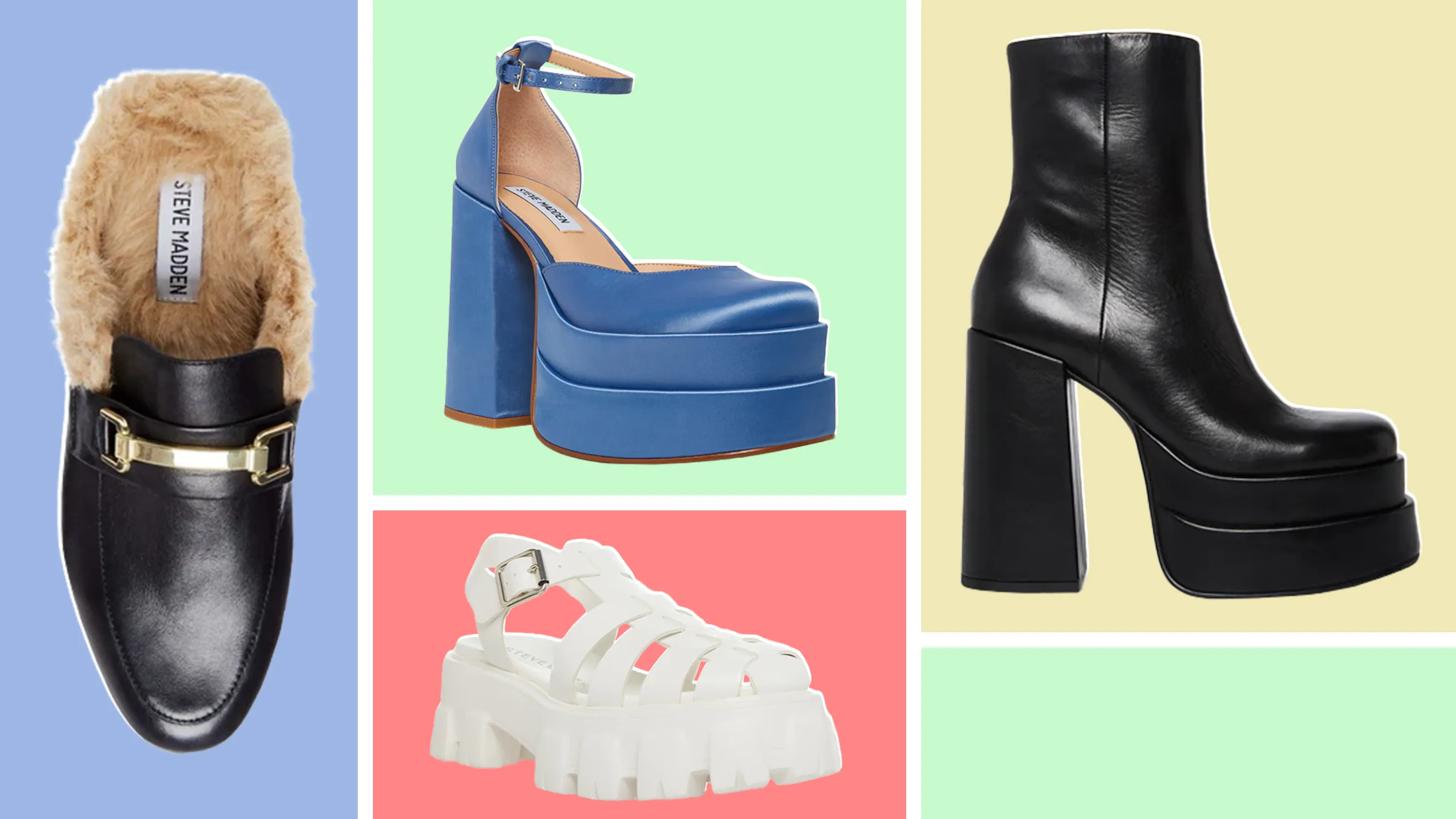
If handbags were the fashion world’s signal of status in the 20th century, footwear has taken up that mantle in the last two decades. Exclusive sneaker drops, limited edition boots, and iconic high-end shoe brands now dominate streetwear culture. Yet here, too, dupes have surged.
Buyers today can find sneakers inspired by Yeezys, loafers that pull design cues from Gucci Horsebits, and boots reminiscent of the latest runway hits, all without spending hundreds or thousands of dollars. The logic is simple: if you can emulate a look that’s trending without draining your wallet, why wouldn’t you?
But there’s more at play than simple economics. Younger generations, especially Gen Z, aren’t just copying luxury designs because they lack money. They’re doing it because they value style over status, experience over exclusivity, and creativity over conformity. Dupes allow experimentation: you can explore trends without committing major funds, and when one trend fades, you’re not left with a costly relic gathering dust.
And let’s be clear: courtesy of social media, sneaker and shoe dupe culture isn’t clandestine anymore. People post “luxury vs. dupe” comparisons, share links, review quality, and celebrate how close a $50 pair comes to a $500 designer original. This transparency has normalized and even glorified the idea of shopping smart.
Shades, Accessories, and the Democratization of Luxury Aesthetics
Accessories have always been the playground for affordable fashion experimentation. Sunglasses, belts, scarves, these are items that can instantly elevate an outfit. And many luxury items here come with sky-high price tags. But dupe culture has reshaped this space too.
Today, you can outfit yourself with eyewear that channels the vibe of a high-end design house for a fraction of the price. Online marketplaces and social platforms are full of influencers showcasing how stylish their “inspired by” shades look next to the genuine article. Brands like Ray-Ban or Prada might still hold aspirational appeal, but dupe alternatives no longer feel like something to be hidden. If anything, they're part of the conversation.
In India, places like Sarojini Nagar Market in Delhi (and similar markets in cities like Mumbai and Bengaluru) have long been famous for selling fashion inspired by runway styles. In the past, shopping these markets was sometimes met with hesitation, especially among older shoppers who equated authenticity with luxury. But that stigma has faded dramatically.
Gen Z buyers today wear their Sarojini finds, whether dupes or inspired pieces, without embarrassment. They post reels about “best affordable dupes,” compare them with luxury items, and treat the act of finding a great dupe as a point of pride, not shame.
Perfumes: The Scent of Smart Shopping
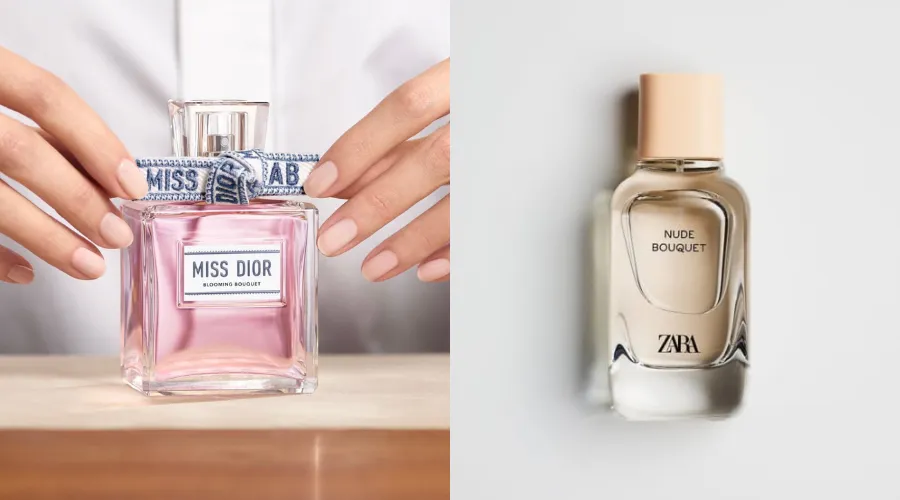
Luxury fragrances were once among the hardest things to dupe. A signature scent was a declaration of identity: a unique olfactory signature tied to a brand’s heritage and artistry. But guess what? Dupes have even conquered the world of fragrance.
Perfume dupes mimic popular designer scents so closely that many buyers say they can’t tell the difference in blind smell tests. These copies don’t use trademarked names or logos, so they aren’t legal counterfeits, but their similarity is uncanny, and that’s precisely why they’re popular.
Today’s fragrance dupes tap into a larger idea: a scent shouldn’t be exclusive; it should be expressive. If a perfume captures the essence you love, without costing the price of a premium ticket to an opera, why not wear it proudly? Again, Gen Z has helped shift the narrative from hidden purchases to celebrated smart shopping.
Why Dupes Have Become Socially Acceptable, and Even Cool
The rise of dupes isn’t just about price consciousness. It’s about changing attitudes, digital culture, and a generation that grew up with information at their fingertips.
Here’s what’s driving this transformation:
1. Economic Reality and Financial Savvy
Growing up through global recessions, rising inflation, and economic uncertainty, Gen Z and Millennials are more budget-conscious. They’ve seen how unpredictable financial stability can be and are wary about spending money on items they feel they can replicate for less. Dupes are a financially informed decision, not a sign of being cheap or inferior.
2. Social Media and Collective Discovery
Platforms like TikTok and Instagram aren’t just for sharing photos; they’re community marketplaces. Influencers post dupe finds, compare quality, and talk openly about cost-to-value ratios. The internet has democratized fashion criticism and reversed the old hierarchy that once placed luxury above all else.
3. Value of Experience Over Possession
Younger buyers value experiences, travel, culture, and creativity over owning a single expensive label. A dupe lets them express style without compromising other aspects of their lives.
4. Rejection of Wasteful Consumption
Many Gen Z buyers are environmentally conscious and skeptical of trends that encourage overconsumption. Buying a dupe means participating in fashion without feeding the cycle of fast luxury or status-driven consumption.
5. A New Language of Confidence
Owning a dupe in 2026 doesn’t carry the embarrassment it might have 20 years ago. Instead, it often signifies confidence. It says: I know what I like, I know what’s worth spending on, and labels do not define me.
What This Means for Luxury Brands
The rise of dupes doesn’t necessarily spell doom for luxury fashion houses. Some brands are adapting creatively.
Rather than ignoring the trend, a few have embraced it in playful campaigns, launching fake dupe versions as social media stunts or offering exchanges to dupe owners. These tactics acknowledge that luxury is no longer just about exclusivity; it’s about storytelling, aspiration, and connection.
But luxury brands also face a challenge: how to justify steep prices in a world where consumers can easily compare alternatives that look just as good. The answer may lie in authentic brand experiences, craftsmanship stories, heritage narratives, and value that goes beyond mere aesthetics.
The Future of Fashion: Inclusive, Expressive, and Smart
So, what does the rise of dupes tell us about fashion in 2026?
It tells us that fashion is no longer a ladder you climb to prove status. It’s a language you speak to express who you are. It’s not about hiding what you bought, it’s about proudly curating a look that reflects your taste, your budget, and your values.
Luxury is no longer a world apart; it’s a spectrum that includes high-end designers, inspired designs, and everything in between. Dupes are not just substitutes; they are a cultural phenomenon that reflects a generation’s desire to be stylish and smart, aspirational and grounded, expressive and independent.
In this era, fashion isn’t only about the label you wear, it’s the story you choose to tell with it.