
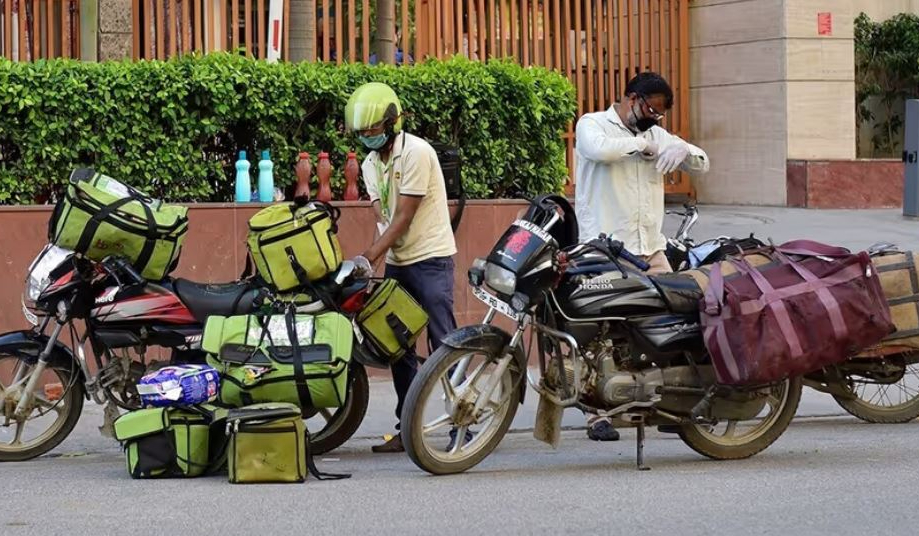

Fast Delivery, Slow Justice: Navigating Risk and Reality in the Gig Economy
On a scorching summer afternoon, Moni found herself too exhausted to step out for lunch. Tired and slightly lethargic, she turned to a food delivery app. The app prompted her with a choice: receive her food in 20 minutes or schedule it for later. Even though she wasn't particularly hungry at the moment, her instinctive response was, "the sooner, the better." And so, she opted for the 20-minute delivery.
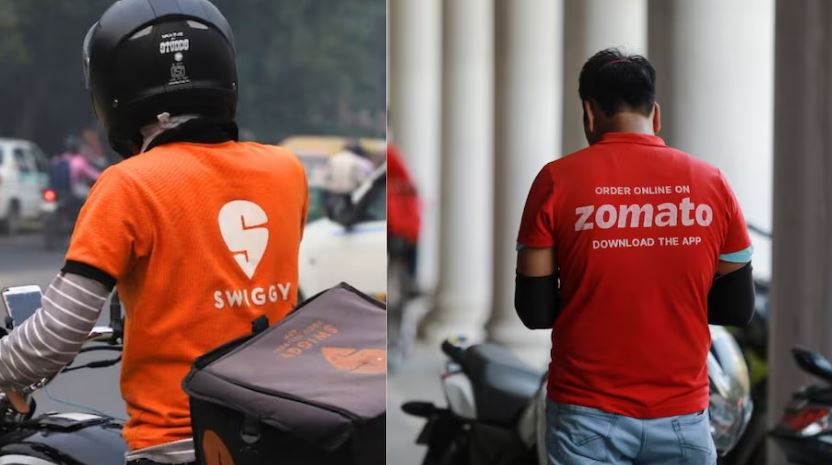
This choice is all too familiar. Faced with the option of immediate gratification or waiting just a little longer, most of us will choose instant delivery almost without a second thought. It’s this very instinct, the craving for convenience, for immediacy, that fuels the rapid growth of platform-based delivery services.
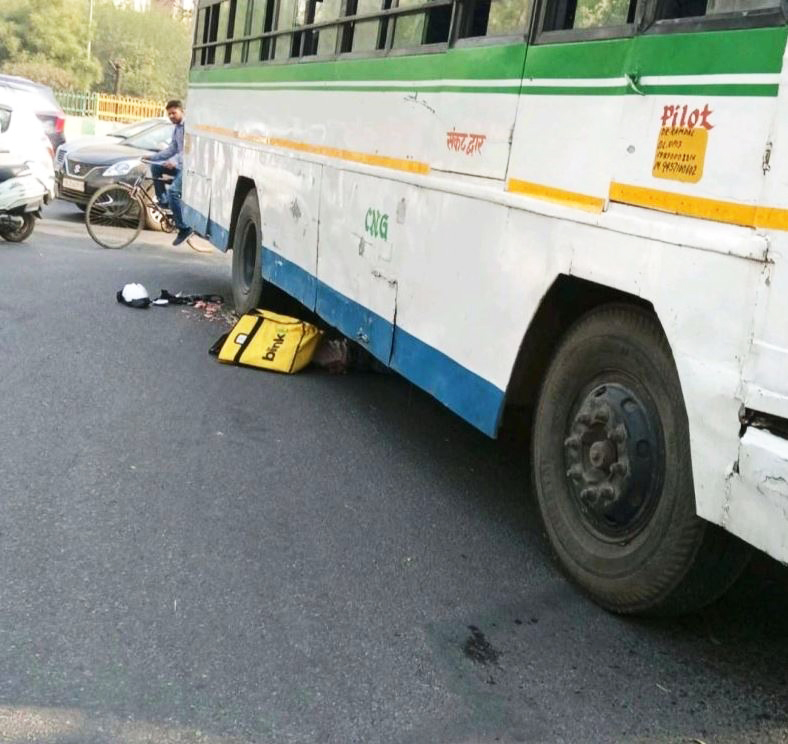
But beneath the surface of this convenience lies a troubling reality. Praveen Kumar, a young man from Hathras, Uttar Pradesh had joined Blinkit, a popular quick-delivery service, as a delivery partner. Just two days into his job, he was killed in a road accident in Noida. Riding on the wrong side of the road to meet the promised delivery time, he was hit by a bus. Praveen had a wedding planned in the near future, a life ahead of him that was abruptly cut short. In another tragic incident, 22-year-old Sarthak Jangam, a delivery worker for Sahakari Bhandar in Mumbai, lost his life when a BEST bus ran over him in the Prabhadevi area. He was on a delivery assignment when the tragedy struck. Similarly, a 20-year-old Zepto delivery partner died in a collision near Bakhtawar Chowk after being struck by a car.
These are not isolated incidents. Similar heartbreaking stories emerge almost every other day. Yet, the headlines fade quickly, and the lives lost are quietly forgotten. Meanwhile, for many of us, the convenience of a quick delivery, whether it's pakoras during a rainy evening or cold coffee on a sunny day, is too tempting to resist. We order without hesitation, rarely pausing to consider the labor, stress, and risk that goes into bringing our cravings to our doorsteps.
Delivery workers often race against time, navigating harsh weather conditions, chaotic traffic, and unsafe roads, all while having little to no time for rest. And yet, if there’s even the slightest delay or perceived inconvenience, customers don’t hesitate to express dissatisfaction through negative ratings or harsh reviews. These ratings, though seemingly trivial, have serious implications. They are used by delivery platforms to regulate workers' earnings, bonuses, and continued engagement with the service, a silent but powerful tool of control and often exploitation. The system thrives on our urgency and indifference. Behind every 10-minute delivery is a story of immense pressure, human cost, and often, tragedy. It's high time we pause and reflect on what our demand for speed is truly costing and who is paying the price. But wait, that’s not the full story.

On the other side of the story, there are passengers like Simran, a 21-year-old corporate employee from Bhubaneswar, who rely on app-based bike taxis for their daily commute. One evening, while riding pillion on a Rapido bike, Simran’s routine journey turned into a terrifying ordeal. The rider, in a rush to meet his daily ride target, made a reckless decision. As they approached a busy intersection, the traffic light turned red. Rather than waiting for the green signal, the rider accelerated through the junction in an attempt to save two minutes and to secure another quick ride. But that impatience came at a cost. The bike collided with an oncoming vehicle, causing both the rider and Simran to be thrown off. While Simran survived the accident, she sustained multiple injuries that kept her away from work for weeks.
A 2023 report by SaveLIFE Foundation revealed that over 70% of gig workers in bike and auto services admitted to breaking traffic rules to meet delivery or ride targets. Additionally, nearly 60% reported feeling fatigued or sleep-deprived during work, a condition known to increase the risk of accidents. According to the Ministry of Road Transport and Highways, urban road accidents involving two-wheelers saw a 17% increase over the past three years, with a significant portion linked to commercial riders. Cities like Bengaluru, Delhi, Mumbai, and Hyderabad report a sharp rise in signal-jumping and speeding offenses among app-based transport drivers.
Across Indian cities, the gig economy particularly in the mobility sector has fostered a culture of urgency that puts both riders and passengers at risk. App-based transport platforms like Rapido, Ola Bike, and Uber Moto operate on a model that indirectly pressures drivers to maximize the number of rides. Their earnings, incentives, and even access to the platform often hinge on metrics like the number of completed trips, time per ride, and customer ratings. Passengers, often unaware of the driver's schedule pressures, become silent participants in a dangerously sped-up system. While platforms boast of convenience, affordability, and real-time tracking, they rarely ensure rider training, road safety compliance, or even mandatory rest breaks.
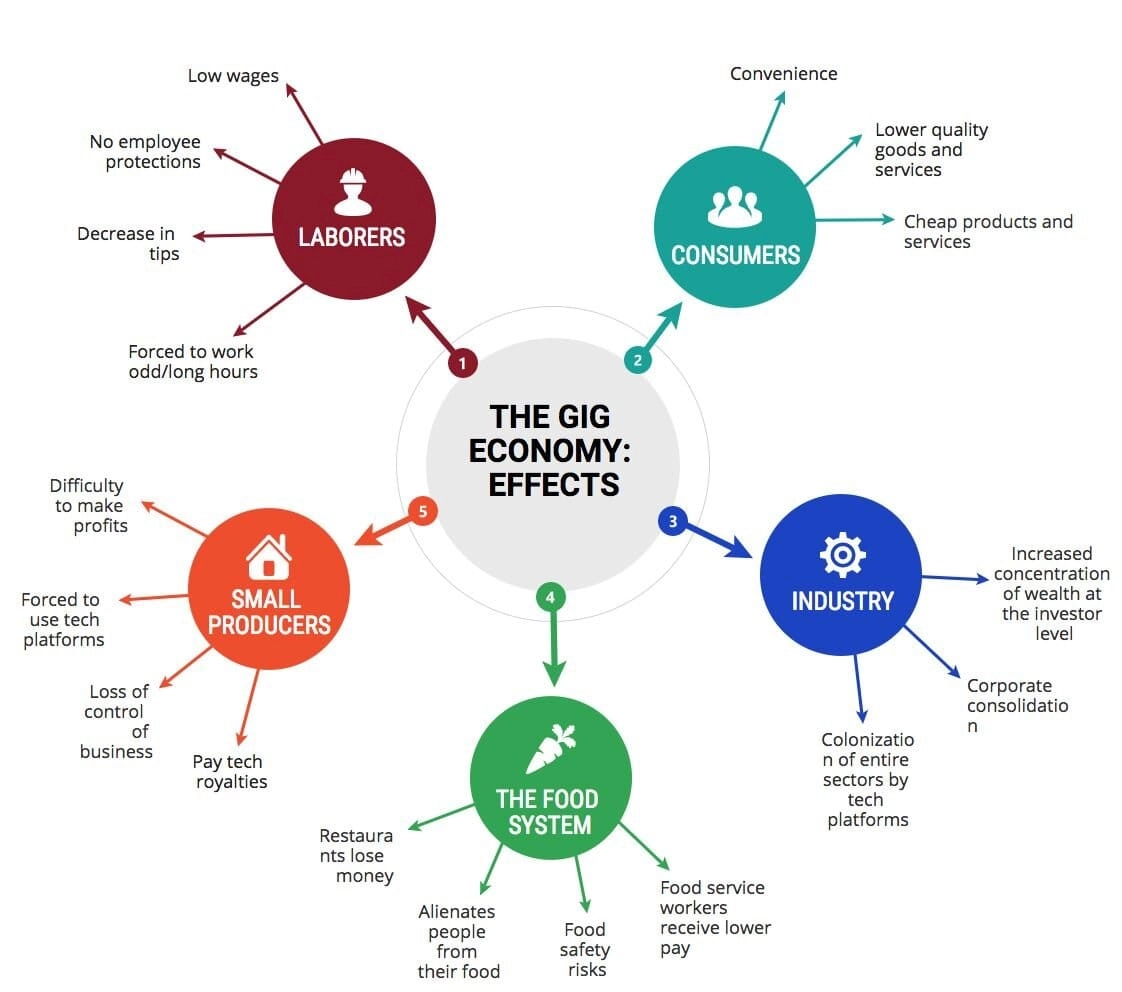
As gig-based transport and delivery services continue to expand across Indian cities, it’s crucial to ask: Are we building a convenience economy on the foundation of risk? Simran's story is one among many that highlight the unseen dangers of a system designed for speed but not always for safety. At the core of these tragedies lies a fundamental question: Why are gig workers risking their lives for a few more rupees or one more trip? The answer lies in the structure of the gig economy itself. Gig workers, whether delivering food, offering rides, or providing freelance services, are not considered employees. As the 2022 NITI Aayog report notes, they exist outside the traditional employer-employee relationship. Classified as independent contractors, they lack basic protections like social security, health benefits, a safety net or income security. There are no guarantees of regular income or long-term stability. Unlike traditional jobs, gig work often doesn't include health insurance, paid leave, or retirement contributions, leaving workers vulnerable. Rakesh, a swiggy/ zomato delivery partner says, “There is no sick leave, if I am unable to sign in today, then I am losing my day's income”. Also, their payments fluctuate based on demand condition, season, platform changes, or client behavior, therefore creating financial instability.
As gig workers rely on platforms like Uber, Fiverr, etc. they take large commissions and can change rules or deactivate accounts with little notice. The movie Zwigato starring Kapil Sharma shows this side of the gig work culture very beautifully. In that movie it is shown how gig workers hold fewer labor rights, making it harder to address unfair treatment, wage theft, or unsafe conditions. Here workers are rated by customers, assigned jobs by machine-learning models, and often punished without explanation. One bad review can mean fewer gigs and a missed target can trigger account suspension.

The power imbalance is sharp and rarely acknowledged. The platforms that depend on them use euphemisms like “partners” to sidestep responsibility. This terminology masks a one-sided relationship where control is exercised through apps, algorithms, and incentive systems, without any obligation to ensure workers' welfare.
In February 2021, the UK Supreme Court ruled that Uber drivers should be classified as "workers" rather than independent contractors. This decision mandates that Uber provide certain employment rights to its drivers, including minimum wage, paid holidays, and protection from discrimination. Now, Uber has always argued that reclassifying drivers as employees would lead to significant additional expenses, including wage and hour laws, employee benefits, social security contributions, taxes, and penalties. The company contends that such a reclassification would require a fundamental change to its business model and could adversely affect its financial condition. According to Uber, they facilitate and connect the ones who demand a ride to those who provide the service, but they can not make people demand rides. Therefore, counting the drivers as full time employees would increase their cost dramatically. The flexibility of drivers to choose when, where, and how much they work, is incompatible with traditional employment models.
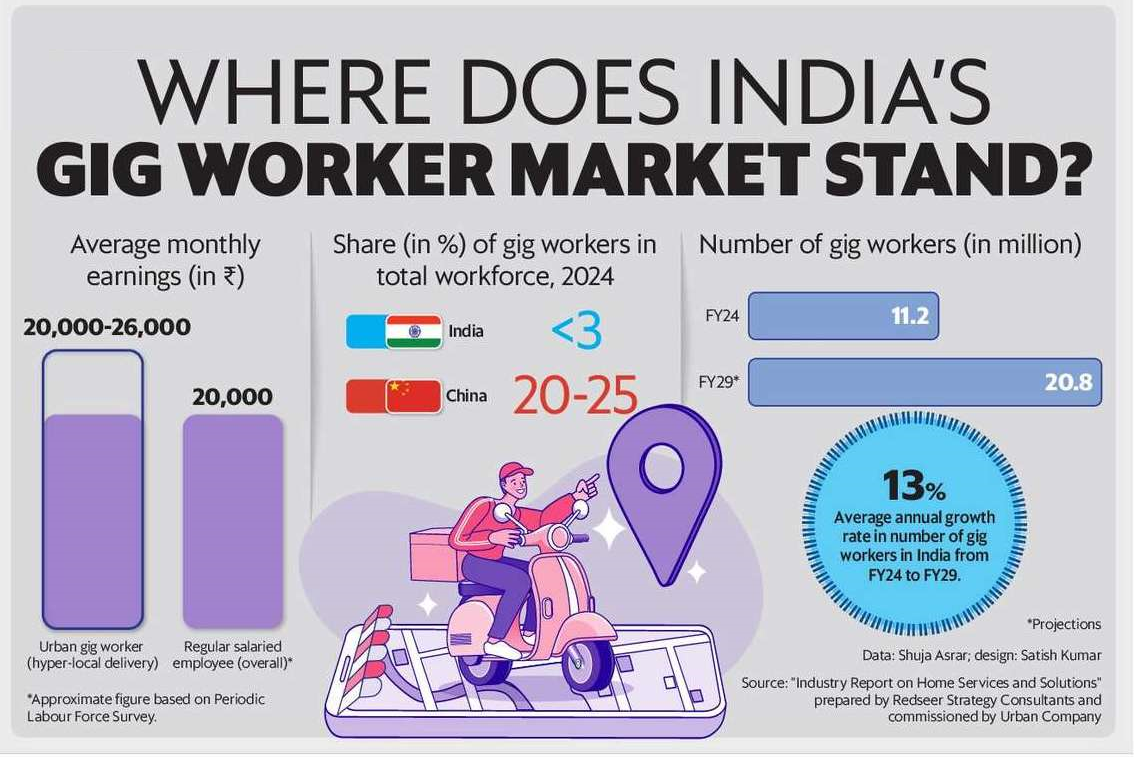
According to study, most gig workers are supplementing their income, with only around 40% using it as their main source of income. Gig workers are generally younger, work fewer hours and earn less per hour than other types of workers. Thus, granting worker status might cause a huge cost on companies. Take the example of Jay, a native of Maharashtra and an MBA student at a reputed institute in the city. He shares,“Most of my classes wrap up by 5 PM on weekdays, which leaves me with some free time. Being new to the city, I enjoy exploring different places and meeting new people. That’s why I decided to join Uber moto as a rider. It’s been a fun experience and the extra income helps cover my expenses as a student."
Jay’s story highlights a key aspect of the gig economy: flexibility, which appeals to many young workers like him. However, this very flexibility introduces uncertainty not just for workers, but for employers as well. Gig workers can exit a platform at any time, without prior notice or formal resignation, and they have the autonomy to choose their working hours, companies they associate with, pay preferences, and even the type of service they offer.
This mutual fluidity creates a dynamic yet unpredictable labor relationship, posing both opportunities and challenges for gig-based platforms and the broader workforce landscape.
Sagar, an employee at Amazon India, shared insights into the dynamics of the gig economy, “The demand for gig work is largely influenced by the demand faced by the platforms themselves, which often fluctuates due to seasonal trends. As a result, gig workers don’t typically rely on a single platform or employer. Instead, they shift from one company to another based on pay rates, working conditions, and their personal requirements,” He said. “During the festive season, Amazon experiences a significant surge in demand. To meet this temporary spike, the company offers higher wages to attract more gig workers. Many of these workers, who might otherwise be engaged in informal sectors, daily wage labor, or even other gig platforms, take advantage of the opportunity to earn more during this period. Their income and employment opportunities are thus closely tied to changing demand patterns,” he added.
However, despite this inherent uncertainty and income instability in gig work, its popularity continues to grow. Why is it so? Because again, it's flexible. Workers are not bound by traditional employment contracts, company policies, or fixed work hours. They enjoy the freedom to choose when, where, and how much they want to work, with easy entry and exit from platforms. This model resonates particularly well with the younger generation or the GenZ workforce, who often prefer autonomy over the structure of conventional employment.
Moreover, the gig economy presents an opportunity for individuals to develop new skills, gain diverse work experience, and grow professionally outside traditional pathways. It also serves as a crucial source of employment for the semi-skilled and unskilled workforce, helping to reduce overall unemployment and address seasonal job gaps in the economy. Another significant benefit is geographical flexibility. By offering local earning opportunities, gig work reduces the need for workers to migrate to other regions or states. This is particularly helpful for individuals seeking short-term income solutions while remaining within their home communities.
Gig work is defined by short-term, on-demand, and task-based engagements. Formal employment typically requires fixed schedules, clear contracts, social security contributions, and long-term commitments. Formalizing the sector could eliminate the flexibility that attracts both workers and employers in the first place.
Surveys often show that gig workers value autonomy over benefits or job security. Forcing formalization may alienate those who are in it for supplementary income, not full-time careers.
Formal employment entails: Contracts, Minimum wage adherence, Tax deduction at source (TDS), Health, pension, and insurance benefits. These requirements are difficult to implement for millions of dispersed, irregular workers, especially across multiple platforms. Platforms like Uber, Swiggy, and Zomato would face massive cost increases if forced to treat all workers as formal employees. These costs would likely be passed on to consumers or reduce earnings for workers, possibly hurting the business model altogether. Thus bringing gig workers into a formal setting is difficult as well as against the very nature of the system.
.png)
However, even though it is not possible to change the nature of this evolving work culture, one cannot overlook the inherent shortcomings of this system, most notably, the glaring absence of social security, job stability, and employer accountability. As a consequence, gig and platform-based workers often find themselves vulnerable to exploitation by multinational corporations, which operate with minimal obligation toward ensuring the welfare and rights of these workers. In India, for instance, a study revealed that over 43% of app-based drivers earn less than ₹500 a day after expenses, with 68% reporting that their expenses exceed their earnings. Moreover, 85% of gig workers work more than 8 hours daily, leading to physical exhaustion and increased risk of accidents. Countries like UK, Canada and Spain's legislation mandates companies to recognize gig economy riders as wage laborers and disclose algorithms used for scoring. The European Union provisionally approved regulations to classify gig workers accurately, potentially granting 5.5 million individuals entitlements like minimum wage, paid vacation, and unemployment benefits.
Akshya, an auto driver working with ola and uber in Bhubaneswar, expresses his dissatisfaction, “Most of the time the locations are remote or not correct, we waste a lot of time as well as fuel in searching and reaching the location. That amount is not counted in our payment. Also many times we have to politely deal with rude customers who create fuss, otherwise they will rate us bad and our job will be at risk.” He further added, “Since we are affiliated with ride-hailing platforms, local auto unions bar us from waiting at traditional auto stands. We have no community, no designated space. We just keep working endlessly.” However, on the other hand, Ritika, a corporate worker says, “ It is very difficult to find a cab or auto in rainy days or late hours. On top of that they cancel rides or charge extra which ultimately raises the ride fare for us.” There are cases of forgery of documents by riders, where a rider is driving with someone else's licence or id proof, such cases raise safety concern for the passengers. Thus, an unregulated work culture creates multi pronged social challenges. While tech platforms are evolving and gradually enhancing safety protocols and service standards, the absence of a unified regulatory framework leaves significant gaps. Again, gig economy covers both platform based as well as non-platform based gig workers. Non-platform gig work covers more traditional roles like construction laborers, agricultural workers, domestic help, artisans, and other local service providers. This sector often sees participation from older individuals or women, many of whom have limited formal education and include a larger proportion of women, especially in domestic roles. With India currently having the fifth-largest population of gig workers globally and projections suggesting it could rise to third place by 2030 the need for a comprehensive and inclusive regulatory framework is more urgent than ever. Such a system must ensure accountability, equity, and protection not only for gig workers but also for the consumers who rely on their services.
As the gig economy continues to expand, addressing its structural vulnerabilities will be key to building a more just and resilient labor ecosystem. To address this need of the changing work culture, the Ministry of Labour and Employment has introduced 4 labour codes, out of which Code on Social Security, 2020 has amalgamated 9 labour laws with the aim to extend social security to all employees and workers of both organized and unorganized sectors. This is the first national-level law that formally recognizes gig and platform workers. The Code also defines an “Unorganized Worker” under Section 2(86)12 , “self-employed worker” under Section 2(75), and “platform worker” under Section 2(61). The code also places an obligation on the central government to constitute a National Social Security Board for the welfare of the unorganized, gig and platform workers and also to recommend and monitor the schemes for this section.
Recent legislative initiatives, including the Code on Wages, 2019, and the Code on Social Security 2020, indicate a forward-thinking stride in the direction of acknowledging and attending to the distinct requirements of freelance workers. The purpose of these protocols is to provide safeguards to individuals working in the gig economy. These protections will include minimum wage requirements, social security benefits, and accident compensation. Despite these developments, such protections continue to be inconsistently enforced, primarily due to the ever-changing nature of the freelance economy. However, schemes like e-Shram by the government of India is a positive step in this direction. It aims at creating a comprehensive national database of unorganized workers, including gig workers, to extend social security benefits and welfare schemes to them.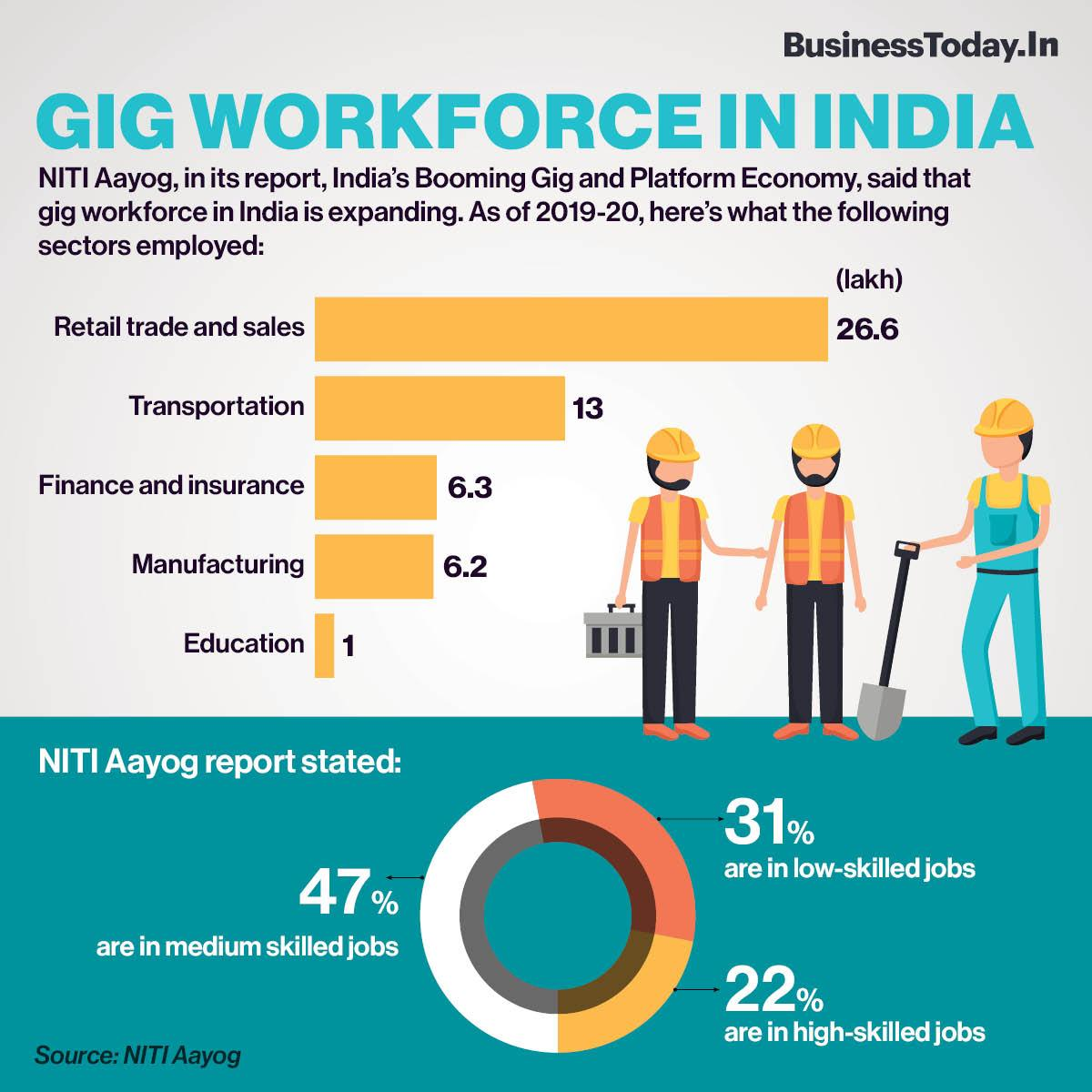
Rajasthan became the first state in India to enact a dedicated legislation focused exclusively on gig and platform-based workers. This landmark law sets a model for other states, aiming to bring formal recognition, accountability, and social security to a largely unregulated sector. At the heart of the legislation is the establishment of a Platform-Based Gig Workers Welfare Board, tasked with overseeing the implementation of various welfare schemes. The Act mandates the registration of all gig workers and platform aggregators operating within the state, with each registered worker being issued a unique identification number. To finance these welfare initiatives, the law introduces a welfare fee to be collected from aggregators, calculated as a percentage of each transaction, with the exact rate determined by the state government. The revenue generated will be channelled into a Gig Worker Welfare Fund, which will support critical social security measures such as accident insurance, health benefits, and pensions. Additionally, the Act provides mechanisms for dispute resolution between workers and platforms, and mandates greater transparency in work allocation, wage calculations, and deductions. Cities like Chennai have begun building air-conditioned waiting rooms for delivery personnel and drivers, offering a model that could be scaled across the country. Going forward, the gig economy must be supported by a collaborative framework involving the government, digital platforms, worker unions, and civil society organizations. The focus must be on creating a unified and enforceable regulatory structure that promotes fairness, transparency, and long-term security.
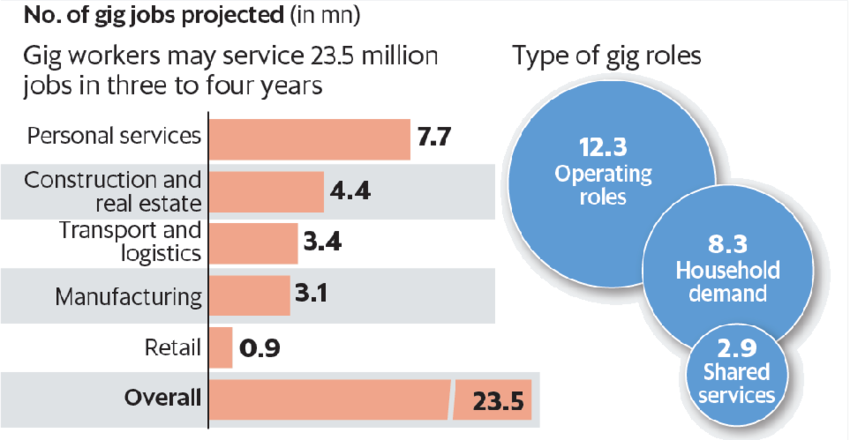
In conclusion, the gig economy represents both a remarkable opportunity and a significant challenge for India. It has the potential to offer flexible employment and economic inclusion to millions, but without adequate safeguards, it risks deepening precarity and inequality. The steps taken by states like Rajasthan provide a strong foundation, but a nationwide, uniform regulatory framework is urgently needed. Furthermore, targeted policies to support the participation of women and marginalized groups by ensuring safe work environments and equal access will be crucial for building a truly inclusive gig economy. As India moves toward becoming the third-largest gig economy globally, it is imperative that the rights, dignity, and well-being of gig workers are placed at the center of policy discourse. Ultimately, as customers, we hold the power to make a meaningful difference in the lives of gig workers by approaching quick commerce with kindness and empathy. Simple acts like offering a sincere tip, treating workers with respect, and ordering only when truly necessary can create a ripple effect of positivity. These small gestures not only ease the daily struggles of those who serve us but also help build a more compassionate and sustainable system. When we choose to be thoughtful and considerate, we contribute to a world where the dignity and well-being of every worker are valued, making the entire experience smoother and more humane for everyone involved.