


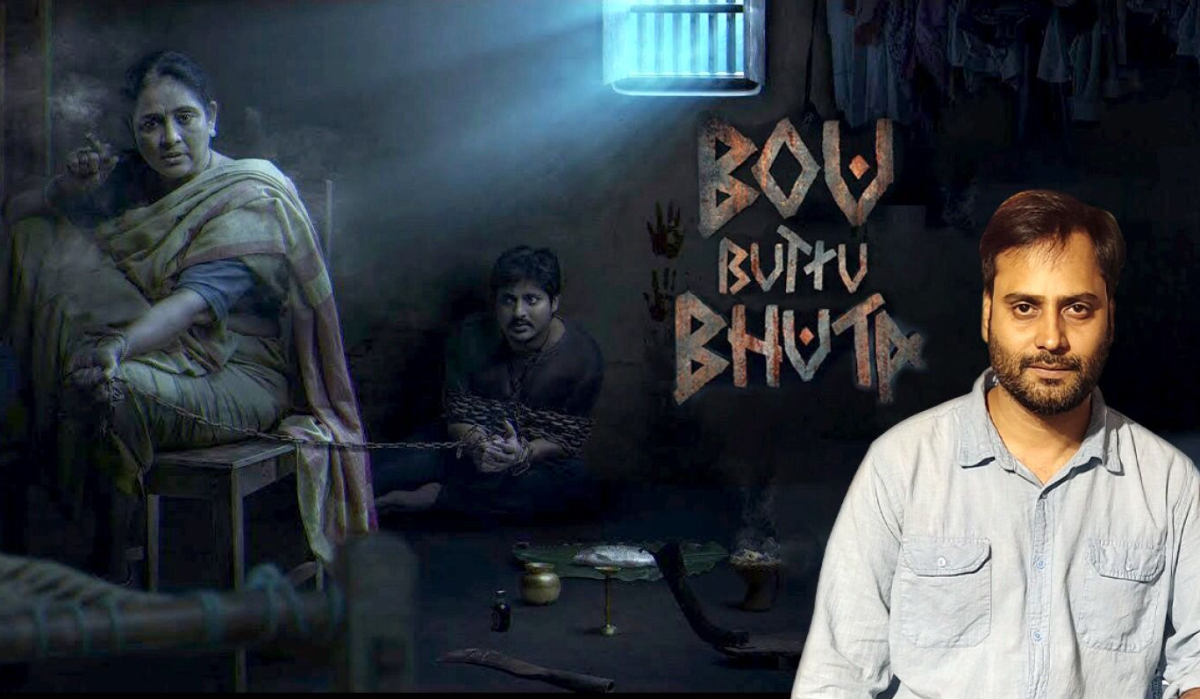

“Ghosts Deserve a Seat at the Table” – Story Writer Imraan on ‘Bou Buttu Bhutta’
From a quiet village called Charampa in Odisha’s Bhadrak district, to the loud applause of packed theatres across the state, Mohammed Imraan’s journey is as cinematic as the stories he pens. A graduate of the prestigious Biju Patnaik Film & Television Institute of Odisha (BPFTIO), Cuttack, Imraan started his career in the technical trenches of cinema as a sound engineer. But storytelling, it turns out, was his true voice.
After making his mark as Associate Director of the critically acclaimed Odia film ‘Daman’, Imraan has now become a household name as the writer of 2024’s cultural phenomenon: Bou Buttu Bhutta. It is a genre-defying, culturally rich film that weaves ghost folklore into a deeply emotional social narrative.
Today, we sat down with the 'kingmaker,' the man whose stories are quickly becoming the new 'king' in Odia cinema, to delve into his creative process, his journey, and what makes his narratives resonate so deeply.
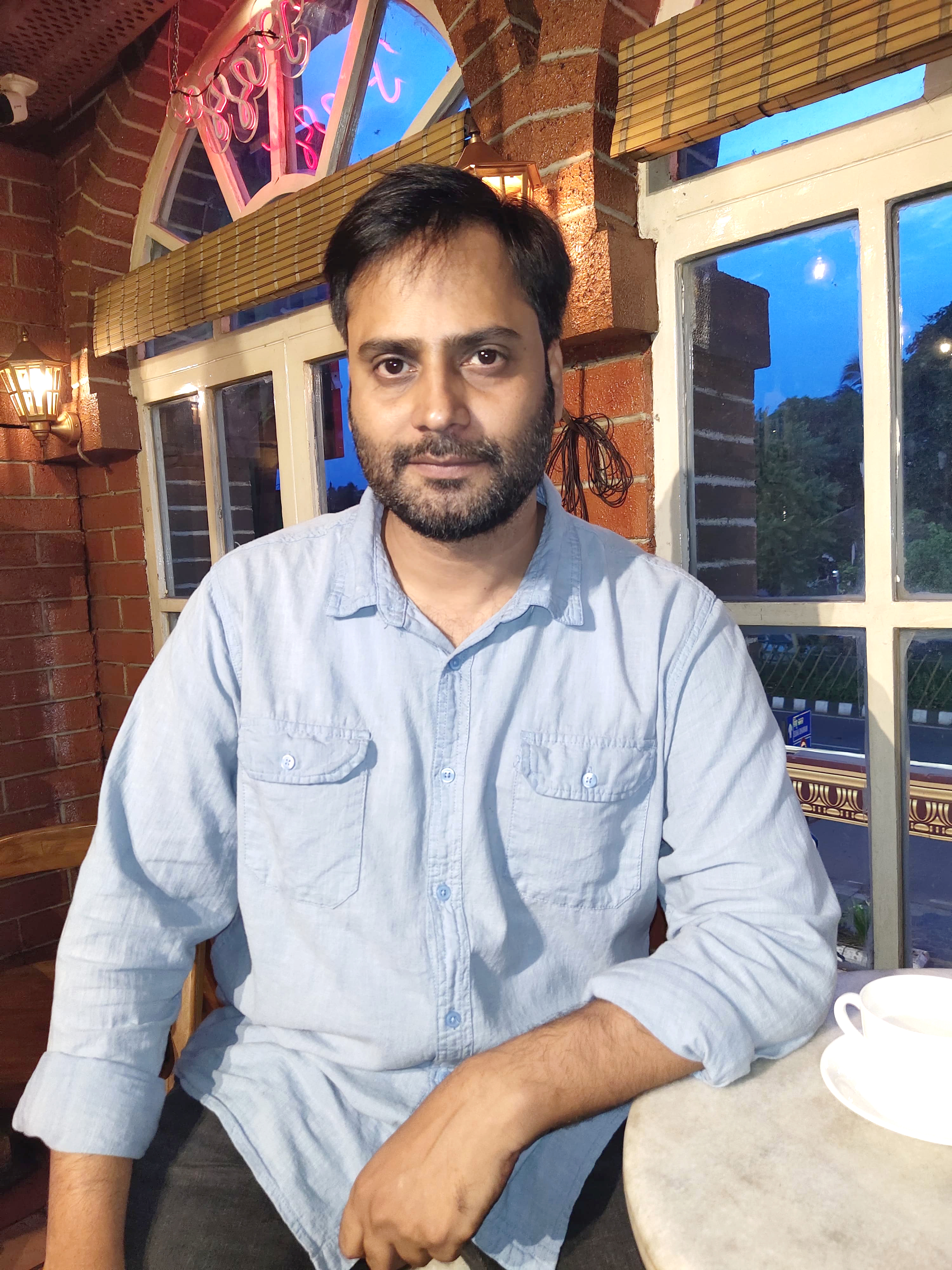
Welcome, Imraan! It’s a pleasure to have you with us. Let’s start with the blockbuster everyone’s talking about 'Bou Buttu Bhuta'. Did you ever imagine this story would resonate so deeply with the audience?
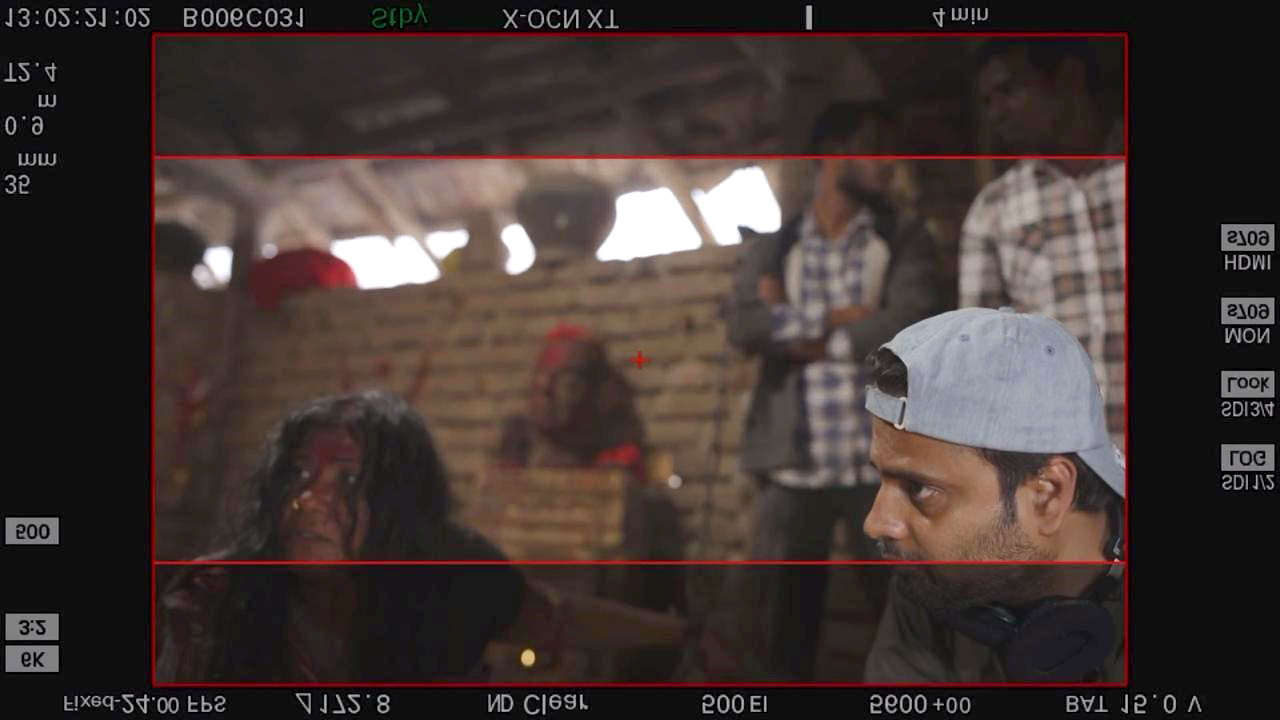
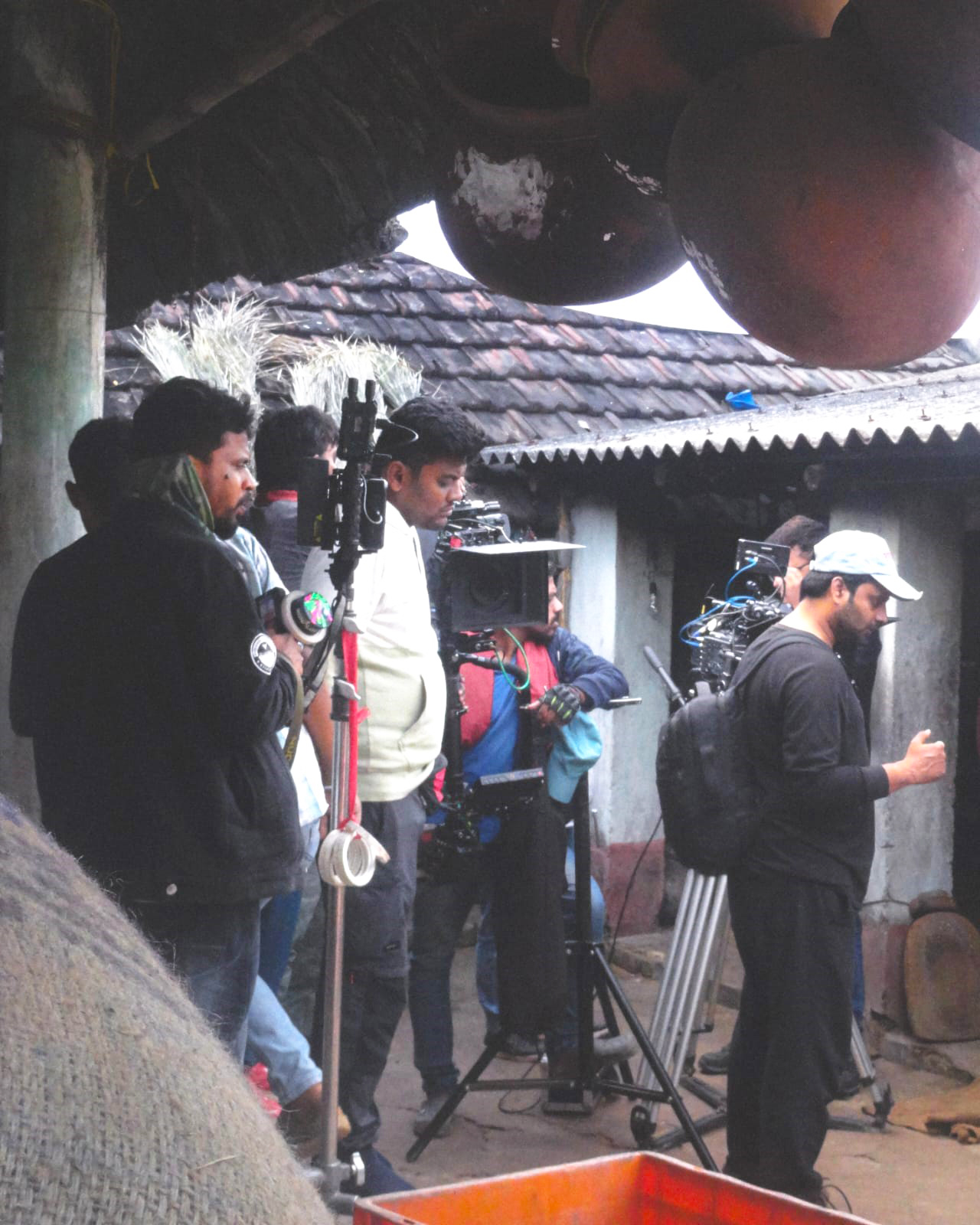
(Smiles) Firstly, I want to express my immense appreciation to the audience for embracing the movie and giving it such a terrific response. And a big thank you to everyone who supported our hard work. Did I imagine such a response? (Laughs) We don't really think that far ahead during the writing or shooting process. But yes, every filmmaker hopes their movie works, and some calculations certainly go into it. At the end of the day, we can only work hard and give our 100%. I can proudly say the 'Bou Buttu Bhuta' team worked immensely hard for more than 50 days without any complaints. Even Aparajita Ma'am would stay late, sometimes until 3 or 4 AM, offering her valuable suggestions. Every department, everyone on and off the set, gave their invaluable input, which is why people have given so much appreciation to this movie.
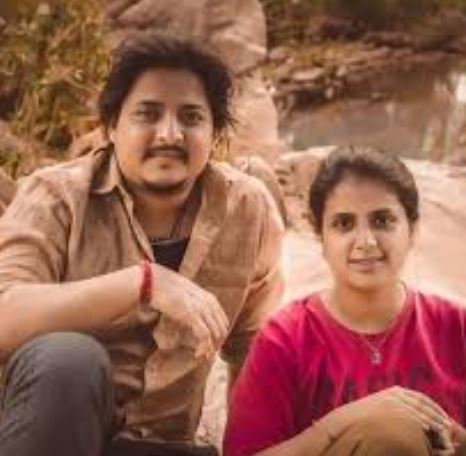
That's truly commendable. We've heard Babushan and Trupti, the producers of 'Bou Buttu Bhuta', proudly mention how they fell in love with your story from the moment you narrated it. Tell us about that process. How and when did you meet them, and what was their initial response? They’ve given you full credit for the story.
I'll always be thankful that I've been credited and acknowledged for my work. Yes, it feels incredibly good and motivates me to work even harder and give much more. It all started during the shoot of 'Daman'. I was working as the associate director on 'Daman', which was my first Odia movie. During the shoot, I casually narrated the story of 'Bou Buttu Bhuta' to Mr. Babushan. It was just a random discussion. But the story must have stayed in his mind, because one day, Trupti ma'am called me and said she loved the story and it had to be told. I met her last year, in 2023, and narrated the full story. Within an hour of that narration, we had finalized the shoot dates and even the tentative release date! Jagadish bhai, the director of 'Bou Buttu Bhuta', was also present. We discussed how we would start. It then took me another six months to rewrite the screenplay, as I hadn't completed the entire thing initially, being busy with other writing projects. I'm really thankful to Trupti ma'am for showing her trust in this story and giving it a chance to be projected on the big screen. And touchwood, it turned out to be a successful one!
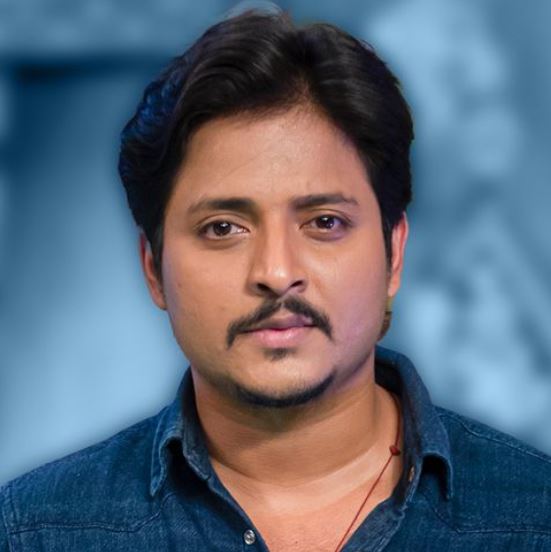
That’s an incredible turnaround! You mentioned 'Daman', and it’s interesting because in that film, Babushan’s character, a doctor, was against superstitions. Yet, 'Bou Buttu Bhuta' delves into the world of ghosts and folklore. How did you reconcile this, especially since you narrated this story during the 'Daman' shoot?
(Smiles) See, this story is a little different and special. In our Odia culture, the concept of ghosts is an integral and deeply rooted part of our belief system. (Laughs) For instance, I found during my research that if a couple divorces, people might say a ghost was always with the husband, making him run away. Another case I heard was about a family who had to leave their home because a 'ghost' used to eat all their rice! We do believe in ghosts, and they often 'live' in our organized society. They deserve a special request, don't they? (Laughs) Seriously though, I read an article somewhere – I can't recall where – that every successful story has an authenticity that can eventually reach a global audience. Our day-to-day issues and beliefs, including those around folklore and spirits, are authentic to our culture. We try to be deeply rooted in that. I've heard so many anecdotes, and I've made a lot of notes over time.

So, do you personally believe in ghosts? Or does it just fascinate you as a storyteller?
I don't necessarily believe in ghosts, but they fascinate me. It's not about the ghost as a character as much as it's about the story and the different modes it can take. I remember reading a news article once in the Karanjia Diaries about a 'ghost' joining an office and making someone run away! These stories are part of our identity. If we are looking for authentic stories, we need to look within our society and culture. Like the doctor in 'Daman' had his place, these beliefs have their place in our society too. Even in the evenings, there are these stories.
You come from Charampa in Bhadrak. How much of your upbringing and the local culture influenced your storytelling? And how was your journey from Charampa to the prestigious BPFTIO in Cuttack, and then to the big screen?
Yes, I'm from Charampa village in Bhadrak. I grew up there, spending most of my childhood time in nature and the jungle. After that, I studied at BPFTIO in Cuttack, where I pursued Sound and TV Engineering. After graduating in 2014, I moved to Mumbai. During COVID, I returned. When I went to film school, I got to know about world cinema, which was an eye-opener. We had a great group and a very conducive atmosphere for learning and creativity there.
You mentioned studying sound engineering. Your shift from sound to writing and direction is quite unconventional. Was there a specific moment that made you realize storytelling was your real calling?
(Ponders) I always loved writing stories, even if I didn't know how to narrate them properly at first. My family members would often tell me stories. So, I was always a listener and a receiver of stories. The shift wasn't a single moment but a gradual realization. When I was in Mumbai, I struggled initially. Despite having a technical course in sound, getting work as a sync sound recordist on films like 'Jagga Jasoos' and 'Criminal Justice' was a struggle. But the urge to tell my own stories grew stronger. I realized that while I enjoyed the technical side, my passion lay in crafting narratives.

Every artist has a ‘breakdown before the breakthrough’ moment. What were your toughest days like? And what kept you going during those challenging times?
There were definitely tough days in Mumbai. It's a city of dreams but also of immense struggle. There were times when getting a chance felt impossible, despite my technical skills. What kept me going was the sheer passion for cinema and storytelling. The idea of bringing my own unique stories to life was a powerful driving force. Even when things didn't go as planned, the dream of seeing my narratives on the big screen never faded.
After all those struggles, today your dialogues are now being quoted on social media, stages, even street plays. How does that feel?
(laughs) Surreal! I recently saw a meme where someone used a line from the film during a college debate! As a writer, there’s no bigger reward than your words living beyond the screen. I just feel humbled.
Your family background, where film writing isn’t the usual career path, must have presented its own set of challenges. Did your family understand and support your dreams from the beginning?
Initially, it was a bit challenging to make them understand. Film isn't a traditional career choice in our village. But once they saw my dedication and the small successes, like getting into BPFTIO, they became more supportive. Now, with the success of 'Bou Buttu Bhuta', they are incredibly happy and proud to see me achieving my dreams.
Your stories are rich in culture and human connection. How much of your writing comes from observing the world around you versus pure imagination?
It’s a click. I get an idea, and then I click. I see scenes around me, everyday life, and that sparks the idea. The moment I get an idea, I start writing. Sometimes, I’m up till 3 or 4 AM just writing. For a story like 'Bou Buttu Bhuta', which is a ghost story, you have to build that world. I spend a lot of time thinking about the subject, understanding why this film, why this character. Every character has a journey, and the goal is always clear. I spend a lot of time on that clarity, which makes the writing process smoother. Once written, the re-editing also takes considerable time, and I give it that time.
Are there any storytellers, filmmakers, or writers, regional or global, who have influenced your voice as a creator?
Oh, many! (Smiles) I deeply admire Majid Majidi, Martin Scorsese, Payal Kapadia, and Lijo Jose Pellissery. I’m truly obsessed with Abbas Kiarostami. Regionally, I gravitate towards filmmakers who truly understand texture and storytellers who allow silence to speak volumes. Beyond cinema, I also read a lot of poetry, particularly works that delve into social commentary and human rights, and that has profoundly shaped my voice as a writer.
.jpeg)
The Odia film industry is undergoing a phase of transition, marked by renewed hope. As someone helping script this new era, what do you think it needs most right now?
The Odia film industry needs more brave and authentic storytelling. We have a rich culture and unique narratives that can resonate globally. The most important thing is the idea. We don't have to go abroad to find stories; we can release it globally from here. The ecosystem here is so vast, and we have amazing actors and technicians who can execute international-standard films. It's the right time and place for us. We need to trust our own stories and invest in quality scripts and executions.
You've seen both the creative and technical sides of filmmaking. How do you balance artistic vision with production realities, especially concerning budget and execution?
It's a constant collaboration. For 'Bou Buttu Bhuta', Jagadish Bhai (the director) and I were close friends, so we had a lot of back and forth. He would give me ideas, I would give him ideas. We changed a few things based on his input. On set, scenes can evolve. My approach is to keep the core theme simple and clear. That clarity helps in execution, even with practical limitations. We had to give at least six months for post-production for 'Bou Buttu Bhuta', and despite some unfortunate losses that paused us for two months, we eventually released it. The creative process is like drinking coffee, it takes time and careful brewing.
'Bou Buttu Bhuta' has been praised for its perfect casting, especially Mandakini's and Jagannath Seth's characters. What was your role in the casting process, and how did you envision these characters?
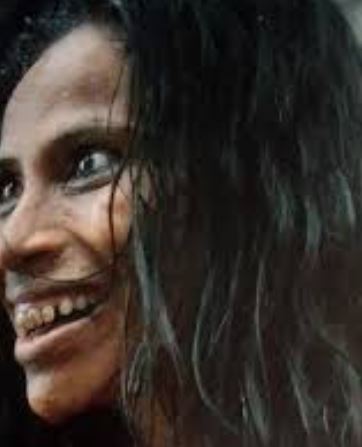
Jagadish Bhai largely handled the casting. But yes, for characters like Mandakini and Jagannath Seth, the discussions were extensive. Everyone deserves credit for their hard work. The makers and producers trusted my vision for the characters. When I imagined Ratnamala, Aparajita ma’am brought so much more to it. She's a legend; I’ve seen only 20% of her potential. She can experiment so much. Ratnamala, who drinks alcohol and yet convinces us, was an epic character. It's easy to work with such artists. As for Bhutto, the character, I was looking for a dancer with specific flexibility for the ghost-like movements. I saw many exorcism videos, including one of Babaji Bhut, which inspired me. I thought, why not make a film like this?
As a sound engineering expert, how crucial was sound design in 'Bou Buttu Bhuta' to create that eerie atmosphere and generate curiosity or shock?
Sound doesn't just add to a film; it multiplies its impact. If you don't properly design the sound, it can either enhance or detract. The sound design for 'Bou Buttu Bhuta' was brilliantly done by Tusar, and the BGM by Abhishek. They are both incredibly smart. The theatre experience becomes narrative through sound. You might have noticed in Hollywood horror films, the background scores are beautiful, and thankfully, our film's songs are also beautiful. It's not a coincidence; it’s a planned decision. Songs are a primary medium for promotion in Indian cinema. If the song is good, it’s easier to promote, no matter how good the trailer is.
What advice would you give to someone trying to break into the industry from a place like Odisha?
My advice would be to focus on authentic storytelling. Understand your own culture deeply, as cultural study is paramount. Cinema making is a skill, so know your tools well. Explore widely. If you want to write impactful stories, you need to know how the masters think, how they follow their vision. Don't just study cinema; study life, people, and their beliefs. The idea is everything. The ecosystem in Odisha is fantastic, with talented actors and technicians. This is the right time to create something truly unique and globally appealing from here.
What kind of stories are you looking forward to telling next? Any themes or ideas you’re itching to explore?
I'm always looking for stories that are deeply rooted in our culture and explore unique human connections. I'm keen on exploring more nuanced social commentaries blended with engaging narratives. There are always many ideas brewing, and I'm excited about bringing them to life on screen.
And finally, when audiences look back at Mohammed Imraan’s body of work ten years from now, what do you hope they remember you for?
I hope they remember me as a storyteller who brought authentic, rooted, and impactful stories to the screen. I want to be known for narratives that resonated with people, made them think, and perhaps even sparked conversations. If my work can contribute to the growth and recognition of Odia cinema on a global stage, that would be my greatest reward.
Mohammed Imraan’s world is strange, soulful, and strikingly rooted. If Bou Buttu Bhutta is any sign, Odia cinema has found not just a voice, but a vision, one that dares to haunt, heal, and, most of all, stay real.
