



Hope In Green: Inside Odisha's Growing Environmental Movement and the NGOs Quietly Rewriting the Future
On a cool Sunday morning in Puri, long before tourists begin arriving at the beach with cameras and cups of tea, a different group gathers near the shoreline. Armed with gloves, sacks, and determination, volunteers spread across the sand collecting plastic bottles, food wrappers, discarded fishing nets, and other waste left behind by visitors and tides. Some are students. Others are professionals spending their weekend differently. Among them are volunteers associated with organisations such as Sattvic Soul Foundation and other citizen-led environmental groups that have become increasingly visible across Odisha's coastline.
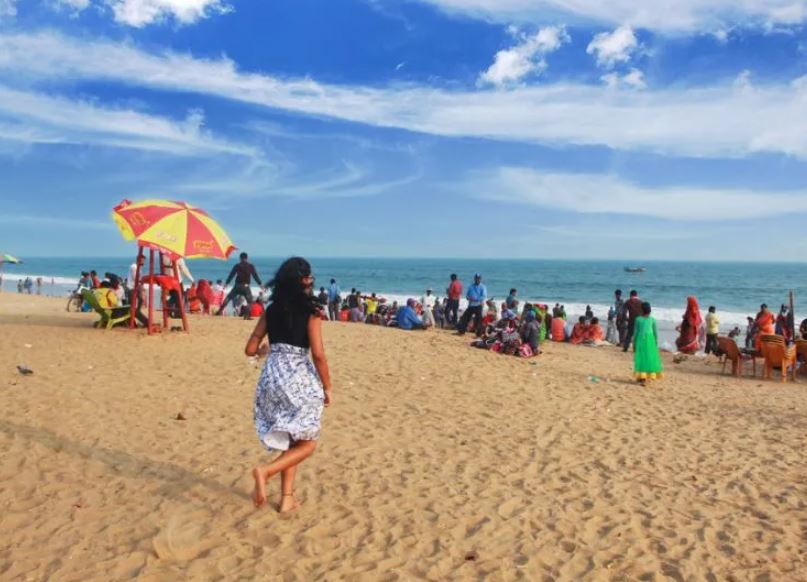
By the time the first tourists arrive, hundreds of kilograms of waste may already have been removed.
The scene lasts only a few hours, yet it tells a larger story.
Across Odisha, environmental protection is no longer confined to government departments, scientific institutions, or policy discussions. A growing movement of NGOs, educators, volunteers, conservationists, and ordinary citizens is working quietly to address some of the most pressing environmental challenges of our time. Their work is taking place on beaches, riverbanks, wetlands, forests, schools, and village commons. It is restoring ecosystems, building awareness, and reminding communities that the future of the environment cannot be left to governments alone.
The urgency of their work has never been greater.
According to global environmental studies and assessments widely reported by scientific institutions and international agencies, wildlife populations have experienced significant declines over the past five decades. Climate change continues to influence weather patterns, increase the frequency of extreme weather events, and place growing pressure on ecosystems worldwide. India itself generates millions of tonnes of plastic and municipal waste every year while balancing the demands of development, urbanisation, and environmental sustainability.
For Odisha, these challenges are deeply personal.
The state's coastline stretches nearly 480 kilometres. It is home to Chilika Lake, Asia's largest brackish water lagoon, which attracts more than a million migratory birds during peak winter seasons. Bhitarkanika shelters one of India's most important mangrove ecosystems. Similipal represents one of eastern India's most significant forest landscapes. Rivers such as the Mahanadi, Brahmani, Baitarani, Rushikulya, and Subarnarekha support millions of people. Yet these natural assets face increasing pressure from pollution, habitat degradation, climate change, and unsustainable development practices.
For residents of Bhubaneswar and Cuttack, environmental change is no longer an abstract concept discussed only in reports. It can be seen in disappearing wetlands, shrinking green spaces, rising temperatures, changing rainfall patterns, and increasing waste generation. Yet amid these challenges, a quieter story is unfolding, one of resilience, innovation, and hope.
When Awareness Becomes Action
Every environmental movement begins with awareness, but awareness alone is rarely enough. Meaningful change requires action, and this is where Odisha's environmental organisations have emerged as catalysts for transformation.
For decades, the Orissa Environmental Society has worked to promote environmental literacy, biodiversity conservation, and sustainable development. Through public outreach programmes, workshops, seminars, awareness campaigns, and citizen engagement initiatives, the organisation has consistently advocated for a more environmentally conscious society.
Similarly, the Centre for Environmental Studies (CES), operating under Odisha's Department of Forest, Environment and Climate Change, has helped establish one of the state's most influential environmental education networks. Through Eco-Clubs operating in schools and colleges, thousands of students participate annually in biodiversity documentation, plantation activities, waste management initiatives, climate awareness programmes, and nature education projects.
The significance of environmental education has long been emphasised by Dr Ashutosh Debata, one of Odisha's most respected environmentalists and educators. Through decades of work in environmental awareness and public engagement, he has consistently advocated that conservation cannot succeed through legislation alone. According to his publicly expressed views and environmental initiatives, communities must become active participants in protecting natural resources if sustainability is to be achieved. His efforts have helped shape a generation of environmentally conscious citizens across Odisha.
This belief that people protect what they understand has become a guiding principle for many environmental organisations operating in the state today.

Cuttack's Quiet Green Revolution
If Bhubaneswar is often described as a city planned around growth, Cuttack remains a city defined by its rivers.
Nestled between the Mahanadi and Kathajodi, Cuttack has lived alongside water for centuries. The rivers have influenced trade, agriculture, transportation, and culture. Yet they have also made the city acutely aware of the relationship between environmental health and human well-being.
Few places illustrate this connection better than the Naraj Barrage area and the wetlands associated with the Mahanadi river system. Environmentalists have repeatedly highlighted the ecological importance of these landscapes, not only for biodiversity but also for groundwater recharge, flood mitigation, and climate resilience. Similarly, nearby Ansupa Lake, which is Odisha's largest freshwater oxbow lake, serves as an important habitat for migratory birds and aquatic biodiversity while supporting local livelihoods.
Several organisations and citizen groups have increasingly focused on preserving these ecological assets. Plantation campaigns, riverbank restoration initiatives, clean-up drives, and biodiversity awareness programmes are helping create a stronger environmental culture across the district. Schools and colleges have emerged as important partners in these efforts, encouraging students to engage directly with local environmental issues.
The impact is often subtle but significant. A cleaner public space, a restored water body, a neighbourhood adopting waste segregation, or a community choosing to protect its green cover may not appear revolutionary. Yet these are precisely the kinds of actions that create long-term environmental resilience.

The Green Warriors of Odisha
Across Odisha, environmental protection is being driven by a remarkable ecosystem of organisations working across diverse areas of conservation.
The Sattvic Soul Foundation has become one of the state's most recognisable youth-led environmental movements. Through beach clean-ups, plantation drives, plogging events, climate awareness programmes, and sustainability campaigns, the organisation has mobilised thousands of volunteers. Founder Satyabrata Samal, widely known in environmental circles as the "Climate Man of Odisha," has repeatedly emphasised through public engagements and media interactions that environmental responsibility must become a daily habit rather than an occasional activity.
Organisations such as Earth Again are approaching climate action through community participation. Their Climate Panchayat initiatives encourage local communities to discuss environmental concerns and identify practical solutions rooted in local realities. Youth4Water Plus has focused extensively on water conservation and responsible water management, while AJSA India continues to support environmental awareness and community-based sustainability initiatives.
Green Passage Foundation has also emerged as a notable contributor to environmental restoration efforts, promoting tree plantation drives, ecological awareness programmes, and citizen engagement activities. Alongside them, Wild Orissa and the Wildlife Society of Odisha continue to draw attention to biodiversity conservation, habitat protection, and wildlife awareness.
The Odisha Biodiversity Board plays an important role in documenting and preserving the state's biological heritage, while the Chilika Development Authority has become a widely cited example of successful ecosystem restoration. Environmental experts frequently point to Chilika's revival as evidence that scientific intervention, community participation, and long-term conservation planning can successfully reverse ecological decline.
Together, these organisations demonstrate that environmental protection is not a single activity but a network of interconnected efforts involving biodiversity conservation, waste management, climate adaptation, ecological restoration, environmental education, and sustainable development.

From Beaches to Mangroves
Few Indian states understand the importance of ecological resilience as deeply as Odisha.
The devastating impacts of cyclones such as Phailin, Fani, Amphan, Yaas, and Dana have repeatedly demonstrated that environmental conservation is closely linked with disaster preparedness. Increasingly, scientists and environmental organisations are emphasising that healthy ecosystems often provide the first line of defence against climate-related disasters.
Mangrove forests, wetlands, coastal vegetation, and dunes act as natural barriers against storms, flooding, and erosion. Their value extends far beyond aesthetics. They protect lives, livelihoods, and infrastructure.
This understanding has shaped the work of numerous organisations operating along Odisha's coastline. Beach clean-up drives in Puri, Chandrabhaga, Konark, and Gopalpur have become increasingly common. Volunteers from Sattvic Soul Foundation, Green Passage Foundation, educational institutions, and local citizen groups routinely remove waste while educating visitors about marine pollution.
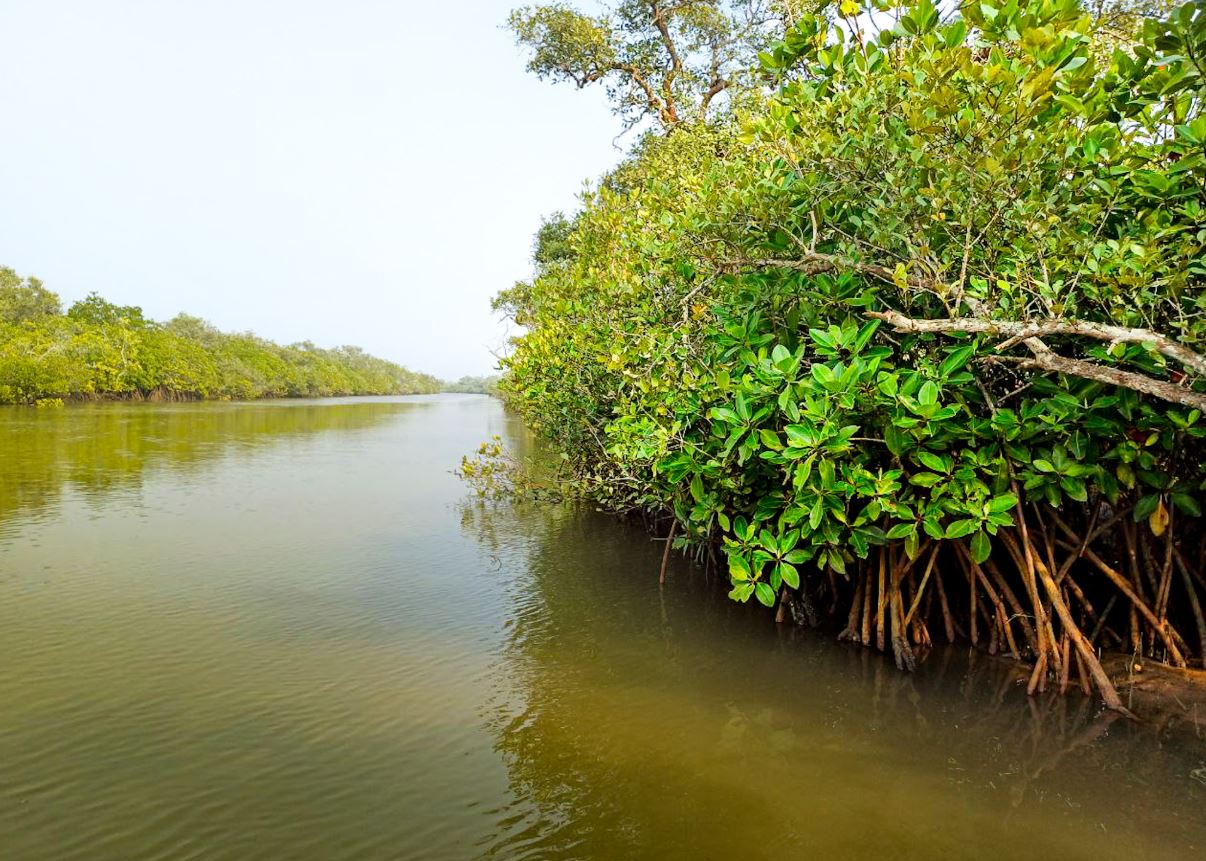
The conservation of Bhitarkanika's mangrove ecosystem has emerged as another priority. Environmental researchers and conservationists have frequently highlighted that mangroves function as carbon sinks, biodiversity hotspots, and natural storm barriers. Protecting them is therefore not simply an environmental objective but also an economic and social necessity.
The Children Leading the Change
Perhaps the strongest reason for optimism lies not in institutions but in young people.
Across Odisha, schoolchildren and college students are increasingly becoming active participants in environmental conservation. Eco-Clubs, nature camps, biodiversity surveys, bird-watching sessions, waste management projects, and plantation drives are helping create a generation that understands sustainability from an early age.
According to educators associated with environmental programmes across the state, young people often become the most effective ambassadors for conservation. They carry lessons from classrooms into homes and communities, influencing behaviours in ways that traditional awareness campaigns sometimes cannot.
This shift is particularly significant because environmental challenges will ultimately be inherited by today's youth. Their willingness to engage with these issues offers a powerful reminder that hope remains one of the most renewable resources available.

Voices Shaping India's Environmental Conversation
Odisha's environmental movement exists within a larger national ecosystem shaped by some of India's most influential environmental thinkers and organisations.
For decades, Sunita Narain of the Centre for Science and Environment has advocated development models that balance economic growth with ecological sustainability. Through her writings, policy advocacy, and public interventions, she has consistently argued that environmental protection must be integrated into development planning rather than treated as an afterthought.
Similarly, leaders associated with WWF-India have repeatedly emphasised that conservation is fundamentally about safeguarding the natural systems that support human life. Whether addressing climate resilience, freshwater conservation, wildlife protection, or habitat restoration, the organisation's work reinforces the idea that environmental health and human well-being are inseparable.
The contributions of Bittu Sahgal, founder of the Sanctuary Nature Foundation, have helped bring wildlife conservation into mainstream public discourse. Through decades of environmental journalism and advocacy, he has consistently highlighted the importance of biodiversity in maintaining ecological balance.
Conservationist Purnima Devi Barman's internationally acclaimed work protecting the Greater Adjutant Stork has become a powerful example of how local communities can drive successful conservation outcomes. Likewise, environmental activist Vandana Shiva has spent decades advocating biodiversity conservation, ecological justice, and sustainable agriculture.
These voices continue to influence environmental movements across India, including those emerging throughout Odisha.
Why NGOs Matter More Than Ever
At a time when climate anxiety has become a global phenomenon, environmental NGOs provide something invaluable: a sense of agency.
Governments formulate policies. Scientists generate evidence. Businesses develop technologies. NGOs, however, connect these efforts to people. They transform awareness into participation and policy into action.
Organisations such as WWF-India, the Centre for Science and Environment, TERI, the Wildlife Trust of India, the Bombay Natural History Society, Greenpeace India, the Foundation for Ecological Security, the Ashoka Trust for Research in Ecology and the Environment, and the Environmentalist Foundation of India have demonstrated that meaningful environmental change requires collaboration across sectors.
Their work reminds us that environmental protection is not simply about saving forests or protecting wildlife. It is about ensuring clean water, healthy ecosystems, food security, climate resilience, public health, and sustainable livelihoods.
Without environmental organisations, many environmental challenges would remain statistics in reports. Through their efforts, those statistics become stories of restored wetlands, protected habitats, cleaner rivers, and empowered communities.
Hope in Green
As dusk settles over the Mahanadi and migratory birds return to the wetlands surrounding Bhubaneswar and Cuttack, the story of Odisha's environmental movement offers a powerful lesson.
Meaningful change rarely begins with grand announcements. It begins with ordinary people making extraordinary commitments. A volunteer collecting plastic from a beach. A student planting a sapling. A scientist studying a wetland. A teacher explaining biodiversity. A community protecting a local pond. An NGO inspiring the citizens to act.
Individually, these actions may appear small. Collectively, they represent one of the most important movements of our time.
Across Odisha, environmental organisations are proving that hope is not passive optimism. It is active participation. It is communities coming together to restore ecosystems, protect biodiversity, conserve water, reduce waste, and build resilience in the face of a changing climate.
The green guardians of Odisha may not always dominate headlines, but their impact can be seen in cleaner beaches, healthier wetlands, greener neighbourhoods, protected wildlife habitats, and a generation increasingly aware of its environmental responsibilities.
In an age often defined by environmental uncertainty, they remind us of a simple truth: the future is not something we inherit. It is something we create. And from the riverbanks of Cuttack to the waters of Chilika and the mangroves of Bhitarkanika, that future is already being written, in green.
