




Imported Fruits and Vegetables Are Shaping Odisha’s Global Palate
As Odisha’s food culture evolves, exotic fruits and vegetables once found only abroad are now becoming staples in cafés, kitchens, and dining tables
Walk through the bustling markets of Bhubaneswar or Cuttack, and you’ll find the familiar rhythm of Odisha’s agricultural abundance, fresh mangoes stacked in pyramids, bananas in every shade of green and yellow, guavas glowing with ripeness, and the unmistakable sweetness of pineapples wafting through the air. Odisha has always taken pride in its fertile soil and rich harvests. Yet, alongside this local bounty, a quiet transformation has been taking place. Over the past decade, the state has opened its arms to a very different kind of produce, one that travels thousands of miles before it finds a place on our tables.
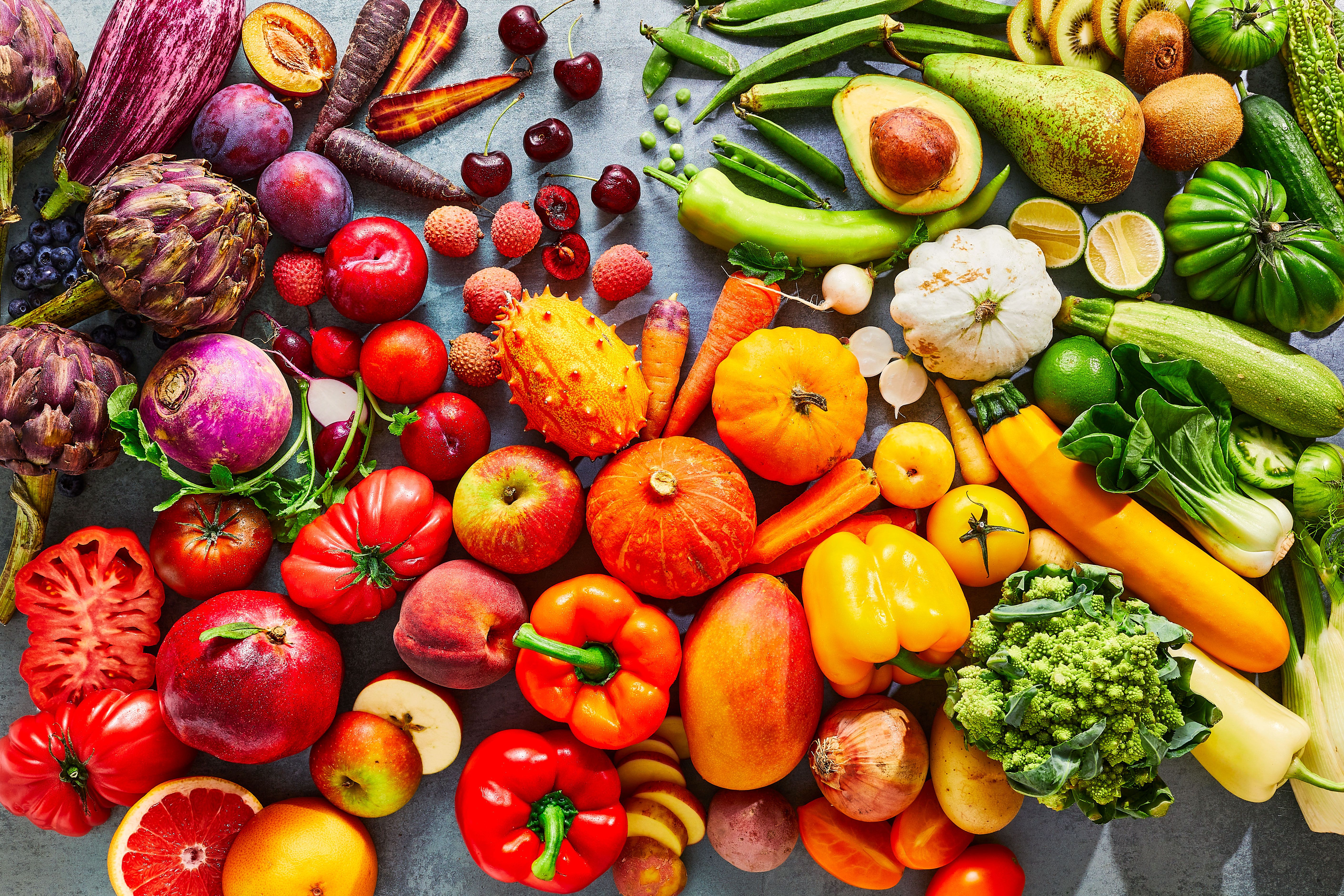
Imported vegetables and fruits, once seen only in glossy food magazines or luxury hotel menus, are now becoming part of the everyday conversations in Odisha’s food culture. Broccoli, zucchini, and lettuce varieties sit comfortably in our salads; blueberries and strawberries sneak into smoothies; and avocados, once a mystery, are now demanded by name. For a generation that is health-conscious, well-travelled, and inspired by global food trends, these ingredients are no longer “exotic”; they’re essentials.
But why this shift? The answer lies partly in aspiration and partly in exposure. With the world coming closer through travel, social media, and cooking shows, we Odias are eager to experiment. A plate of avocado toast or a bowl of dragon fruit smoothie isn’t just about taste; it’s about lifestyle, identity, and the thrill of trying something new. At the same time, cafes and restaurants are responding to this changing demand by bringing in ingredients that can’t be grown locally due to Odisha’s tropical climate.
Yet, importing comes with its own set of challenges. High costs, fragile freshness, and the question of sustainability. Despite these hurdles, the appetite for international produce in Odisha is undeniable. And it isn’t just about dining out. Slowly but surely, these fruits and vegetables are finding their way into home kitchens as well, reshaping how families think about food.
To understand this better and to explore how imported produce is shaping the culinary scene of Odisha, we spoke to the Head Chef of Bocca Café, one of Bhubaneswar’s most popular continental cafes. Here’s what he had to say about the journey of international fruits and vegetables to Odisha, the demand they create, and the way they are transforming our plates.
What are the main vegetables and fruits that we import for Bocca Café?
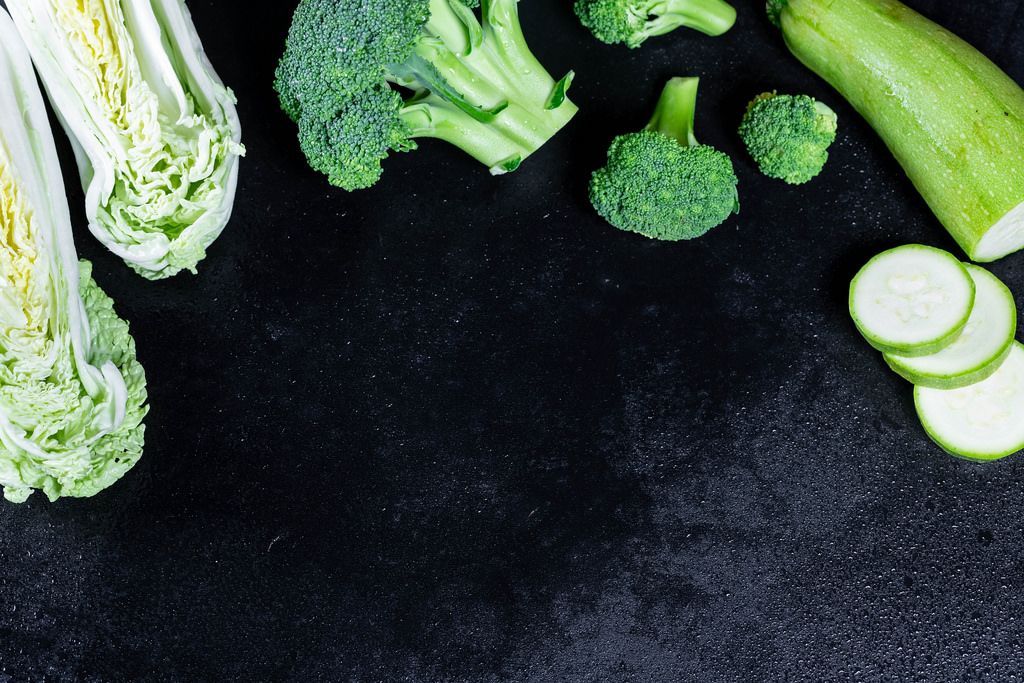
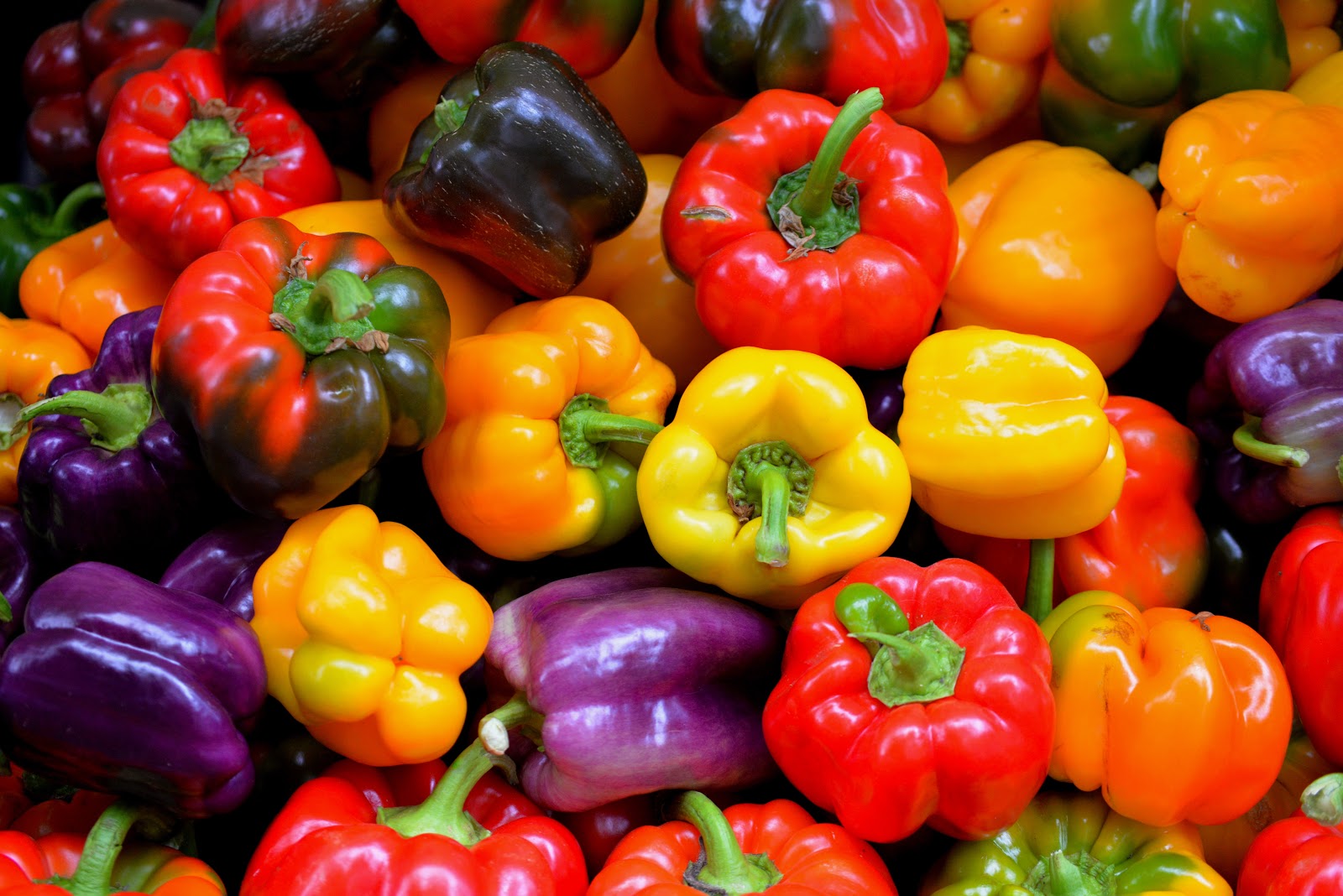
For Bocca Cafe, we primarily import vegetables that are staples in continental cuisine but are not widely grown in Odisha, such as bell peppers (red, yellow, and green), zucchini, broccoli, and asparagus. We also import specialty ingredients like olives and certain mushrooms. As for fruits, our key imports include kiwi, blueberries, which are essential for our desserts and salads. These ingredients provide the authentic flavours and textures our customers expect from a continental café. We occasionally import avocados and specific types of lettuce, depending on seasonal availability and quality from local sources.
From which countries/regions do we usually source them?
The majority of our bell peppers, zucchini, and broccoli are sourced from European countries, particularly Italy and Spain, known for their high-quality produce. We get our berries and kiwi from regions in Southeast Asia and New Zealand. Our olives are from the Mediterranean. We work with a network of trusted suppliers who specialize in importing fresh produce, ensuring a consistent and reliable supply chain. These suppliers have established partnerships with farms and distribution centres in these regions, which guarantee the quality and freshness we require for our menu.
Do you see scope for local farmers in Odisha to start growing these international vegetables and fruits?
Yes, absolutely. I see a huge scope for local farmers in Odisha to start growing these international vegetables and fruits. With the right guidance and agricultural technology, crops like bell peppers, zucchini, broccoli, and various lettuces could thrive here. The climate in some parts of the state could be suitable, especially with modern farming techniques like polyhouses and hydroponics. Developing a local supply chain would not only reduce our reliance on imports and lower costs but also create new economic opportunities for farmers. It would be a win-win situation, providing us with fresher produce while supporting the local economy.
As a chef, which imported ingredient do you personally love to work with?
As a chef, the imported ingredient I personally love to work with is fresh basil. It's such a versatile and aromatic herb. A simple Caprese salad with fresh mozzarella and a few torn basil leaves is a classic for a reason. Its unique, sweet, and slightly peppery flavour can transform a simple pasta or a basic bruschetta into a culinary masterpiece. The aroma alone is enough to get my creative juices flowing. While we can get some basil locally, the imported varieties often have a more consistent and potent aroma that truly elevates a dish and gives it that authentic Italian touch.
Do you remember a moment when an imported ingredient wowed a customer or became a surprise hit?
I remember a specific moment when we introduced a new salad featuring imported lettuce. A regular customer, who always ordered the same pasta, decided to try it. He was a bit hesitant at first. When he took his first bite, his eyes lit up. He called me over and said he had never tasted a salad with such a peppery, unique flavour. It was a great moment that showed me how a single, well-chosen ingredient can introduce a new world of flavour to our customers.
For many of us, these ingredients are simply names we see on menus, avocado toast, blueberry cheesecake, broccoli soup, but behind every plate lies a complex story of sourcing, logistics, and evolving consumer taste. What was once considered exotic and out of reach is now slowly becoming part of everyday dining in Bhubaneswar.
Our conversation with the Head Chef of Bocca Café gave us a closer look into this growing trend. We learned how cafés like Bocca don’t just cook with these imported ingredients; they experiment, adapt, and sometimes even localize them so customers can enjoy both authenticity and familiarity. The chef reminded us that every avocado or blueberry on a plate has travelled thousands of miles, but the real journey is how it finds a place in the hearts of diners here in Odisha.
We also realized that the imported market is not just about luxury or novelty anymore. It reflects a genuine curiosity among people to explore new flavours and healthier options. Yet, these challenges are also opportunities for local farmers, who may one day cultivate more of these international varieties in Odisha itself.
We learned not only about ingredients but also about the spirit of food culture in our state. The demand for imported fruits and vegetables is growing, and with it, the confidence of Odisha’s food scene to stand shoulder to shoulder with global trends. The future looks promising, and if anything, this is only the beginning of a larger, tastier journey.
