



Latest Technology Trends in the Cosmetics and Beauty Industry
In-depth look at how artificial intelligence, smart devices, and digital platforms are reshaping the beauty industry through the voices of professionals and customers.
In an era defined by rapid technological advancement, the beauty industry stands at the forefront of innovation. As we move into 2026, a wave of tech-forward products, treatments, and digital platforms is setting new standards for personalisation, sustainability, and inclusivity in the beauty world.
Today, beauty is no longer limited to shelves, salons, or makeup counters. It lives on smartphones, in smart devices, and inside intelligent systems that learn about individual needs. Consumers are becoming more informed, more demanding, and more curious about what technology can offer. In response, brands, salons, and professionals are embracing innovation to create faster, smarter, and more meaningful beauty experiences.
AI and Personalised Skincare
Artificial intelligence is driving a major shift towards hyper-personalised skincare. Instead of following generic routines, consumers now expect products designed specifically for their skin type, lifestyle, and environment.
Global brands like SkinCeuticals and Clinique are using AI-powered diagnostic tools to analyse concerns such as hydration, pigmentation, texture, and elasticity. Through mobile apps or in-store devices, users can receive detailed skin reports and personalised recommendations within minutes.
Such innovations reflect a larger shift in the industry: beauty is becoming data-driven. AI allows brands to understand consumers deeply, offering solutions that feel personal, precise, and trustworthy.
The Rise of At-Home Beauty Technology
Alongside personalised skincare, at-home beauty devices are becoming more advanced and accessible. Many treatments that once required professional salons can now be performed at home with smart tools.
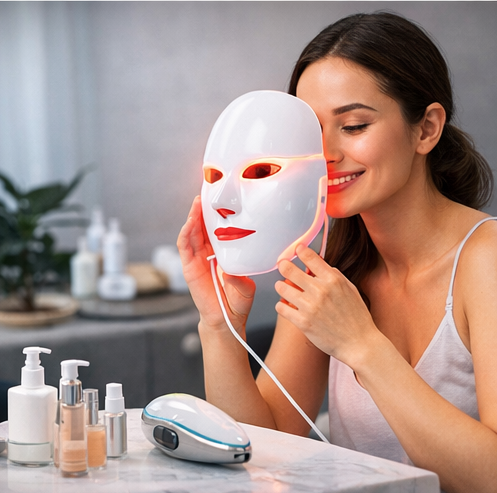
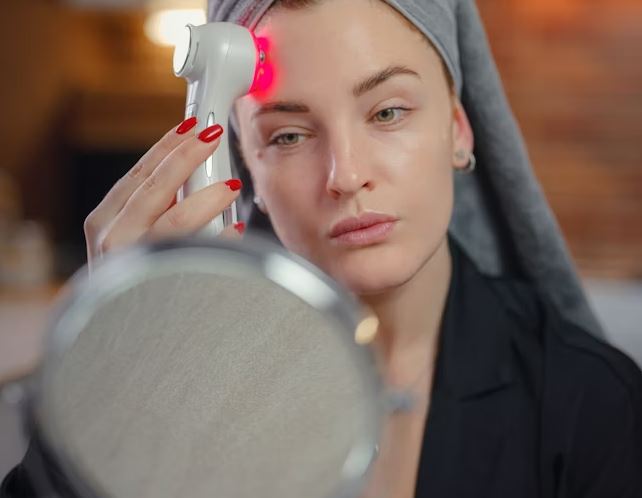
LED therapy masks, microcurrent devices, facial toners, and laser-based treatments are gaining popularity among consumers seeking convenience and consistency. These devices allow users to maintain their routines without scheduling appointments.
The growing acceptance of home beauty technology reflects changing lifestyles. Busy schedules, remote work, and digital dependence have increased the demand for flexible self-care solutions. For many consumers, these devices offer privacy, affordability, and control over their beauty routines.
Salon Voices: How Professionals and Clients View Beauty Technology
To understand how technology truly impacts the beauty industry, we spoke with an experienced beauty professional & salon owner to explore how digital tools influence their work, customer relationships, and service quality in today’s rapidly evolving market.

What kind of technology do you use in your salon every day?
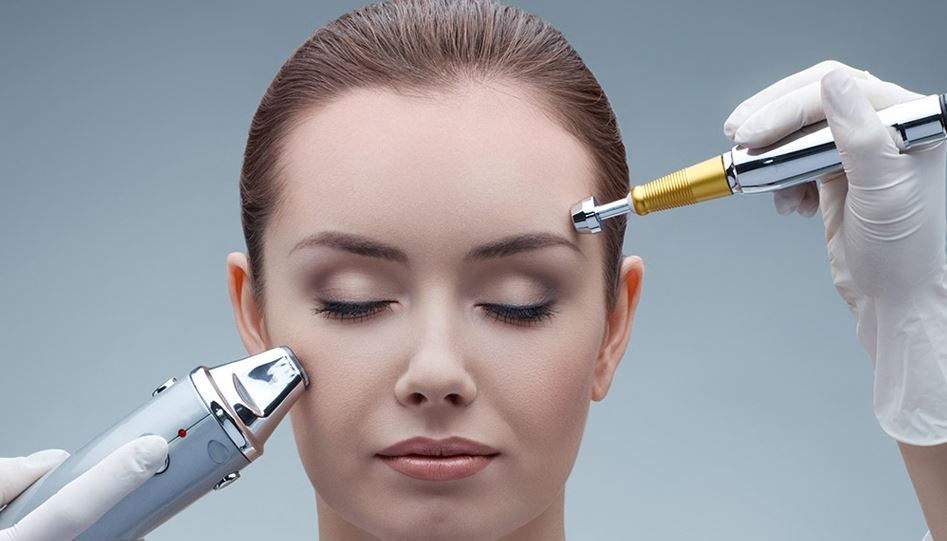
Technology has made our work much easier. We use advanced treatments like hydra facials, hair smoothing and strengthening machines, dandruff therapy devices, laser hair removal, nose shaping techniques, and permanent tattoo and eyebrow treatments. We also use skin analysers, facial machines, and modern massage tools. These technologies help us provide better results with more safety and comfort for the client.
Has technology made your work easier or harder? How?
Yes, technology has definitely made our work easier. Earlier, many treatments used to take a lot of time and effort. Now, with laser treatments and advanced facial machines, the process is faster and more effective. Traditional facials were tiring and time-consuming, but hydra facials and skin machines have reduced manual work and improved results.
What is the biggest change you have seen in salons because of technology?
The biggest change is social media and digital systems. Promotion has become much easier, and more people know about our services. Time management has also improved through online bookings and digital records. We can now manage appointments, payments, and client details more efficiently, which helps us focus more on service quality.
How important is social media for your salon today?
Social media is very important for our salon today. Through platforms like Instagram and YouTube, people from different states can discover our work. Clients can learn about pricing, services, facilities, and results before visiting. It builds trust and attracts new customers. Social media has become our main tool for marketing and communication.
Do you prefer traditional methods or digital tools? Why?
Traditional methods are our foundation. We learned everything from them, and they will always remain important. However, we also need to adapt to new technology. Digital tools help us save time, improve accuracy, and learn modern techniques. They prepare us for the future. Personally, I prefer digital tools while respecting traditional roots.
Personalised Consultations Through AI and AR
Artificial intelligence and Augmented Reality are transforming salon consultations. These tools allow clients to visualise outcomes before making decisions, reducing uncertainty and dissatisfaction.
AI-powered platforms analyse facial features, hair texture, skin tone, and personal preferences to recommend suitable styles and products. Meanwhile, AR technology enables users to try different hairstyles, colours, and makeup looks virtually.
Simplifying Booking and Payments
Digital booking systems have become a cornerstone of modern salon management. Online scheduling, automated reminders, and digital payments have replaced traditional appointment books and manual records.
Customers can now book services anytime, select preferred professionals, and receive instant confirmations. This reduces waiting time, minimises cancellations, and improves operational efficiency.
For salon owners, these systems provide valuable insights into customer behaviour, peak hours, and service preferences. Such data helps in better planning, staffing, and promotion strategies.
Convenience has become a defining factor in customer loyalty. A smooth booking and payment experience often influences whether clients return.
Connecting Social Media and Salon Services
One major challenge in the beauty industry has been managing multiple platforms for marketing and bookings. Many professionals promote their work on social media but handle appointments separately, creating confusion for clients.
This gap is being addressed by platforms like ChicChic, a social beauty and wellness marketplace that integrates content sharing and booking services. Users can explore visual beauty content, interact with professionals, and book appointments on a single platform.
By unifying social engagement and service scheduling, such platforms save time and enhance user experience. For professionals, they reduce administrative burden and improve client retention. For customers, they offer a seamless journey from inspiration to action.
Enhanced Communication Through Digital Tools
Instant messaging systems and chatbots have improved communication between salons and clients. Automated responses help answer frequently asked questions, confirm appointments, and share updates.
These tools ensure that clients feel acknowledged even outside business hours. Prompt replies create a sense of professionalism and care, strengthening trust.
Digital communication also enables personalised messages, birthday offers, loyalty rewards, and feedback collection. Such interactions deepen relationships and encourage repeat visits.
However, experts emphasise that technology should support human connection, not replace it. The warmth and empathy of personal service remain essential in the beauty industry.
The Future of Beauty Technology in Salons
As technology continues to evolve, salons must adapt to remain competitive. The future of beauty lies in intelligent systems that combine convenience, creativity, and care.
At the same time, ethical considerations are gaining importance. Data privacy, environmental impact, and accessibility must be addressed responsibly. Technology should enhance inclusivity rather than widen digital gaps.
The most successful salons will be those that balance innovation with authenticity. By embracing digital tools while maintaining personal relationships, they can create memorable experiences that build long-term loyalty.
Technology is no longer a supporting element in the beauty industry. It is a driving force shaping products, services, and customer expectations. From AI-powered skincare and home devices to digital bookings and integrated platforms, innovation is redefining beauty at every level.
Yet, at its core, beauty remains deeply human. Confidence, creativity, and connection cannot be automated. When technology is used thoughtfully, it becomes a bridge between science and self-expression.
As we move forward, the beauty industry’s true success will lie in blending intelligent systems with emotional intelligence, ensuring that progress remains personal, inclusive, and inspiring.
