


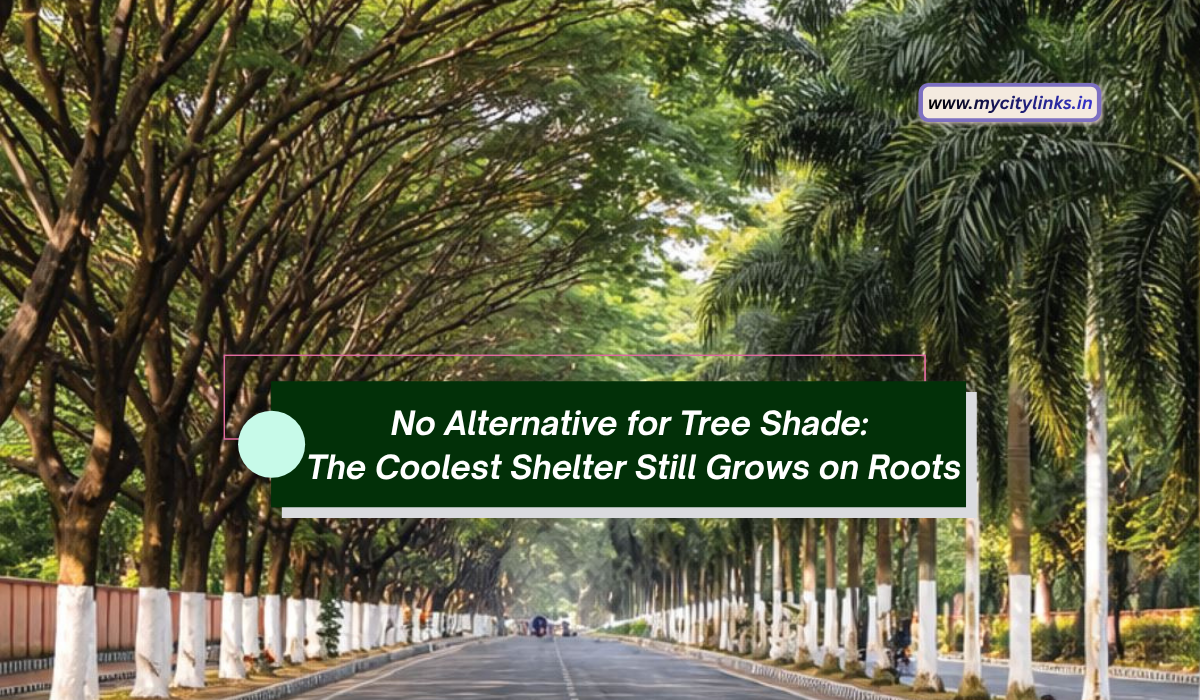

No Alternative for Tree Shade: The Coolest Shelter Still Grows on Roots
It is 1:30 in the afternoon in Bhubaneswar. The traffic signal at Master Canteen Square turns red, and a delivery rider slows down, not because he is watching the timer but because he is searching for something far more urgent at that moment, that is, a patch of shade. Within seconds, he shifts his vehicle slightly to the left, aligning it carefully beneath the canopy of a rain tree.
"At signals during summer, even 30 seconds without shade feels very long. If there is a tree nearby, I always stop under it," says a food delivery rider who spends nearly eight hours each day navigating Bhubaneswar’s roads.
Across the road, a school student moves closer to the shadow of a gulmohar tree, adjusting her bag as she waits for the pedestrian signal. A shopkeeper steps out from his storefront and pauses beneath a branch stretching over the pavement.
"Customers also prefer standing near the tree outside my shop instead of inside when the power goes off. The shade outside feels cooler than the fan inside," shares a small shop owner from the Unit‑1 Market area.
A woman parking her scooter turns the handle deliberately so that the seat remains untouched by direct sunlight. None of them knows each other. None of them planned this behaviour. Yet all of them make the same decision. Every summer in India quietly reveals the same truth again and again that there is no alternativetor tree shade.
India’s Civilisation Grew Under Trees
Long before there were umbrellas, bus shelters, flyovers or temporary roadside shade structures, there were trees. Indian civilisation did not merely grow around trees; it grew beneath them. The earliest learning spaces in the subcontinent took shape as gurukuls under expansive canopies. Travellers paused beneath peepal trees along trade routes, and village meetings were traditionally held beneath banyan trees that stood at the centre of settlements as silent witnesses to generations of community life.
"In our villages, earlier, the biggest tree was always the meeting place. Even today, people prefer to sit there instead of inside rooms," recalls a retired school teacher originally from coastal Odisha.
Even traditional temple complexes across Odisha historically included sacred trees within their premises, reinforcing the belief that shade was both physical comfort and spiritual presence. These living structures shaped everyday movement patterns long before urban planning frameworks began discussing pedestrian comfort or climate-responsive design.
In India, shade has never been just about comfort from sunlight. It has always carried a deeper cultural reassurance. The banyan symbolises continuity, the neem represents healing, and the peepal evokes spiritual presence. These associations evolved naturally through lived experience over centuries.

Summer Does Not Differentiate Between People
Summer in India does not distinguish between professions or social positions. It affects the office employee stepping out during lunch break, the traffic constable managing a busy junction for hours, the street vendor arranging fruits beside the road, the auto driver waiting for passengers, the student returning from tuition classes and the elderly citizen crossing the street slowly under the afternoon sun.
"Standing at traffic points for long hours becomes manageable only when there is a tree nearby. Otherwise, the heat from the road itself becomes difficult," shares a traffic police constable posted in central Bhubaneswar.
A street fruit vendor near Vani Vihar echoes a similar experience. "If there is no tree nearby, we create temporary cloth shade, but under a tree, customers also feel comfortable standing and buying fruits," he explains.
Each of them searches for relief in the same way and often finds it beneath a tree. The moment one steps under a canopy, the glare softens, the air feels gentler, and the body relaxes almost immediately.
Temporary Shade Structures Help, But Trees Heal the City
Across Odisha, especially during peak summer months, the government installs temporary shade structures at traffic intersections to support commuters facing rising temperatures. These initiatives are thoughtful and necessary responses to extreme seasonal conditions. At the same time, they highlight a deeper reality about urban comfort.
"The temporary sheds help, but if there is a tree, that feels much cooler," says a private car owner waiting at a major city junction during afternoon traffic.
Another commuter travelling daily between Rasulgarh and Jaydev Vihar adds, "The metal sheds protect from sunlight, but the heat from the road remains. Under trees, the whole space feels cooler."
Temporary shade protects for a moment, while tree shade transforms an entire space. Temporary structures block sunlight directly above a person, but trees cool the surrounding air through natural processes. Temporary installations last for a season, whereas mature trees serve communities for decades.
Why Vehicles Naturally Park Under Trees
A simple observation across marketplaces in Bhubaneswar during summer reveals how deeply citizens depend on trees without consciously realising it. Vehicles rarely park randomly in open spaces when temperatures rise.
"If I park my scooter in direct sunlight for even ten minutes, the seat becomes too hot to sit on. I always look for tree shade first," says a college student near Unit‑1 Market area.
Similarly, a family visiting a shopping complex in Saheed Nagar shares, "When we choose parking spots during summer, the first thing we check is whether there is a tree nearby."
These small behavioural patterns communicate something powerful about urban comfort psychology. Tree shade is not a decorative addition to cities. It functions as essential public infrastructure.

Odisha’s Cultural Relationship With Trees
Odisha’s relationship with trees is far older than its cities. From the sal forests of northern districts to the protective coastal vegetation belts that reduce cyclone impact, trees have shaped settlement patterns, livelihoods and climate resilience across the state for centuries.
"Forests are part of our identity. We don’t think of trees separately from our lives," says a community member from a tribal region of northern Odisha, as documented in environmental awareness programmes conducted in the state.
Across many districts, traditional festivals still include rituals associated with trees, reinforcing the belief that environmental protection is not only an ecological responsibility but also cultural continuity.
This perspective reminds us that environmental conservation is not a modern intervention. It is a continuation of inherited wisdom that has guided human interaction with nature across generations.
Bhubaneswar’s Expanding Roads Need Expanding Shade
Bhubaneswar itself has undergone a remarkable transformation over the past two decades. Roads have widened, neighbourhoods have expanded rapidly, and new institutional corridors have reshaped mobility patterns across the city.
"Earlier, many roads in the city had continuous tree cover. No,w wherever trees remain, those stretches still feel noticeably cooler," observes a long-time resident of Bhubaneswar.
A resident of Patia adds, "After plantation drives in our area, walking during afternoons has become slightly more comfortable compared to earlier summers."
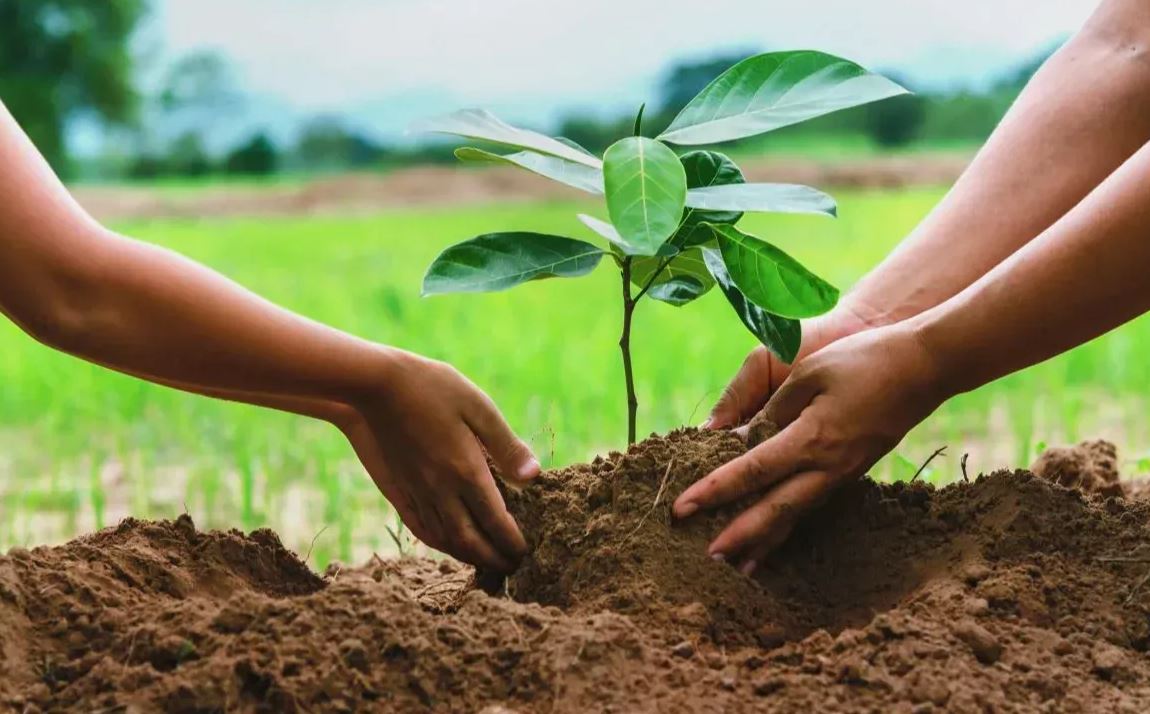
Recognising the importance of restoring green cover, plantation drives by civic authorities and supporting organisations are helping rebuild the city’s natural cooling network.
The Science Behind Why Tree Shade Feels Cooler
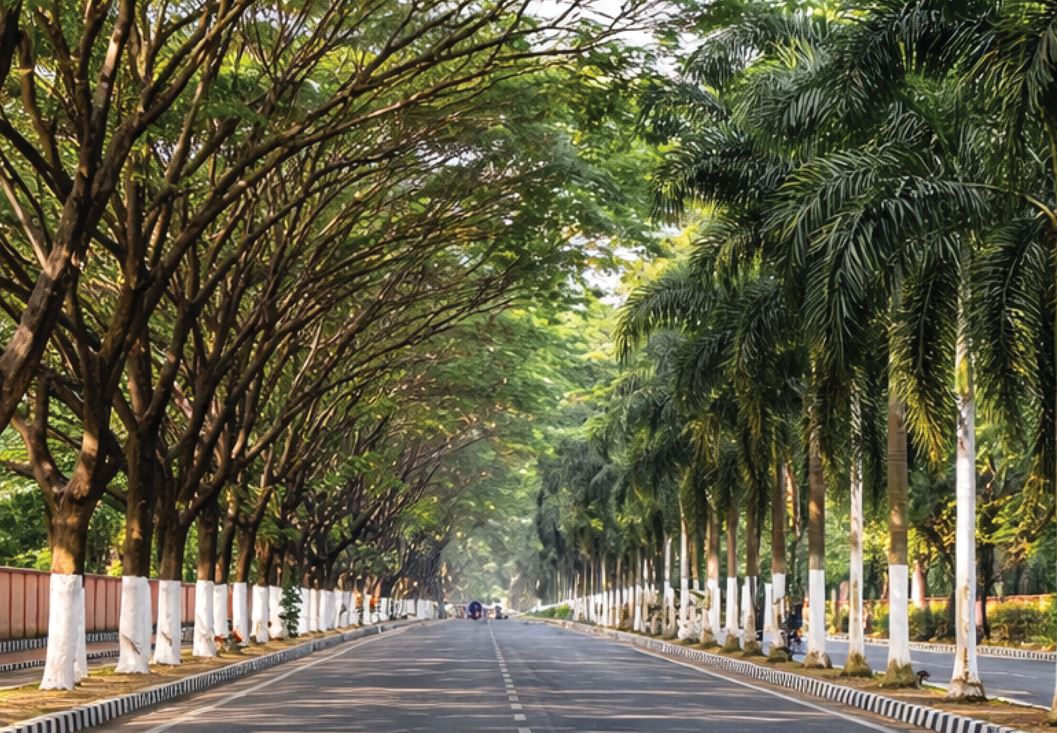
Anyone who has stood beneath a concrete shade structure and then stepped under a mature banyan or rain tree immediately notices the difference in comfort levels.
"Under a tree, the air actually feels cooler, not just shaded. You can feel the difference immediately," says an IT professional working in a corporate office in Bhubaneswar’s Infocity area.
Environmental studies indicate shaded urban streets can feel 5–8°C cooler at pedestrian level compared to exposed stretches during peak summer hours. This difference becomes critical during heatwave periods when even small temperature reductions significantly improve public comfort and safety.
This difference exists because tree shade does more than block sunlight. Through the natural process of transpiration, trees release moisture into the air, which helps reduce surrounding temperatures.
The Shade That Supports Outdoor Workers
The importance of tree shade becomes even more visible when we consider citizens who spend extended hours outdoors.
"During afternoon hours, we try to stand near trees whenever possible. It helps us continue working without feeling exhausted quickly," shares a municipal sanitation worker engaged in routine cleaning operations.
A construction helper working along a roadside stretch adds, "Even five minutes under tree shade gives enough relief to continue work again."
For outdoor workers across cities, trees are not aesthetic elements within city planning. They are essential protective companions.
Citizens and Organisations Protecting Bhubaneswar’s Green Cover
Alongside institutional initiatives, several organisations and citizen groups across Bhubaneswar are contributing actively to strengthening the city’s green cover.
"Planting trees is important, but protecting them after planting is even more important," says a volunteer associated with a city-based plantation awareness drive.
School students participating in plantation campaigns across neighbourhood parks also increasingly recognise their role in shaping greener cities. "When we plant trees now, we feel we are helping future summers become easier," says a Class IX student who recently joined a plantation drive.
Such collective participation ensures that tree preservation becomes a shared civic commitment rather than a government-only responsibility.
Remembering the Shade Bhubaneswar Once Had
Many long-time residents of Bhubaneswar still recall the city as it appeared two decades earlier, when wider stretches of avenue trees lined major roads and summer evenings carried noticeably cooler air.
"Evenings used to feel much cooler earlier because there were more trees along the roads," recalls a senior citizen living in one of the city’s older neighbourhoods.
Another resident adds, "Earlier we could walk longer distances comfortably during summer evenings because the roads had continuous shade."
These memories continue to remind citizens of the comfort that extensive tree cover once provided.
Tree Shade Is Also a Public Health Solution
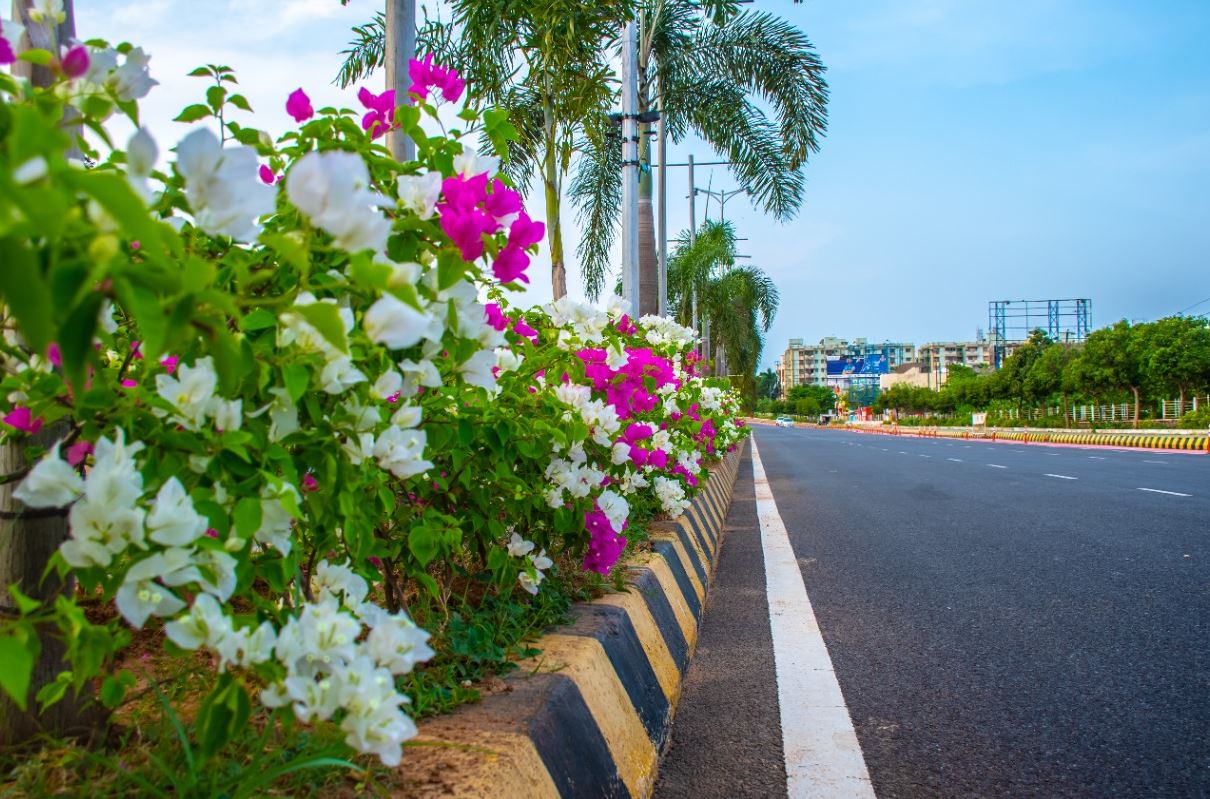
Heatwaves are becoming increasingly frequent across Indian cities, and the urban heat island effect continues to intensify as concrete surfaces absorb and retain large quantities of heat.
"When streets have trees, walking even short distances becomes easier during summer," says a regular pedestrian commuter working in a government office area.
Doctors and urban health researchers increasingly recognise shaded environments as important contributors to reducing heat stress exposure, especially for elderly citizens and children who are more vulnerable during extreme temperature conditions.
Trees interrupt the cycle of rising heat exposure and improve everyday comfort across neighbourhoods.
Summer 2026 Is Asking Us a Simple Question
Every day across Bhubaneswar, citizens make small decisions without consciously analysing them. They decide where to stand while waiting for transport, where to park their vehicles, where to pause during errands and where to walk when temperatures rise.
"We automatically move towards shade without thinking. It becomes a habit during summer," says a young office commuter waiting near a city junction.
This pattern suggests that the message is already clear. Citizens are choosing shade. Cities must now choose trees.
If every person searches for tree shade while stepping outdoors during peak heat conditions, why are we not planting more trees at the very locations where people wait the most, such as traffic intersections, school entrances, hospital surroundings, marketplaces, pedestrian corridors and neighbourhood parking zones?
In an age of cooling devices, reflective materials, and engineered shelters, one solution stands out for its simplicity, sustainability, and long-term benefits. A tree grows quietly, cools naturally and protects continuously without demanding maintenance-intensive infrastructure. As temperatures rise across Odisha this summer and citizens instinctively move towards the nearest patch of shade, the lesson becomes impossible to ignore.
Cities can build shelters, but only trees can build comfort. Even in Summer 2026, there remains no alternative to tree shade.
