

Restoring Odisha's Wetlands: A Holistic Approach to Ecological and Economic Revival
While traveling through the serene landscape of Chilika on a steam-engine train, the renowned Odia poet and freedom fighter Utkalmani Gopabandhu Das, beheld by the sheer beauty of the lagoon, once wrote:
“Raha raha khyane baspiya sakata, dekhibi Chilika charu chitrapata.
Chita mane jenu nahin anubhab,bastaba biswa ki ye chabi sambhaba?”
(Slow down oh rail, Let me get behold and enjoy this beauty of Chilika.
The beauty that doesn’t seem like a painting, but I am amazed can such beauty ever be captured in a mere image? Is it even possible to fully represent the reality of this world?)
These words echoing the awe Gopabandhu felt, paint a vivid picture of Chilika, where nature’s beauty seems beyond words, beyond capture, and beyond imagination.
Every year on February 2nd, we celebrate the importance of wetlands and their vital role in our environment through World Wetlands Day. This day serves as a reminder to look beyond the sheer beauty of these natural wonders and delve into understanding their current condition and the critical role they play in sustaining our planet. Let’s take a closer look at the state of these invaluable ecosystems today.
According to the United Nations, “Wetlands are ecosystems, in which water is the primary factor controlling the environment and the associated plant and animal life. A broad definition of wetlands includes both freshwater and marine and coastal ecosystems, such as all lakes and rivers, underground aquifers, swamps and marshes, wet grasslands, peatlands, oases, estuaries, deltas and tidal flats, mangroves and other coastal areas, coral reefs, and all human-made sites such as fishponds, rice paddies, reservoirs and saltpans.”

Although wetlands cover just 6% of the Earth's land surface, they are home to 40% of all plant and animal species. Wetlands are crucial for our climate-health, food supply, tourism, and jobs for locals. They play an essential role in regulating water, purifying it, and also helps in controlling floods. Wetlands store carbon within it and help in carbon sequestration. It is habitat for various endemic animals, birds and reptiles. It helps in controlling soil erosion and also protects coastal ecosystems. Over a billion people, that is about one in eight worldwide, rely on wetlands for their livelihoods. These ecosystems are vital not only for humans but also for our environment.
Recent data shows that about 35% of the world's wetlands have been lost since 1970. Wetlands are disappearing three times faster than forests, largely due to land-use changes such as agriculture, urbanization, and the impacts of climate change. This rapid decline highlights the serious degradation of these ecosystems. Coastal wetlands such as mangroves sequester carbon up to 55 times faster than tropical rainforests. Peatlands, which cover only 3% of the earth’s land surface, store 30% of all land-based carbon. To meet the 1.5 °C Paris Agreement climate goals, we must restore and conserve these vital ecosystems. Coral reefs as well as ‘blue-carbon’ wetlands such as mangroves, and seagrasses provide cost-effective disaster-risk reduction solutions to protect communities against storm surges. While inland ecosystems, such as peatlands and rivers absorb excess water to prevent floods and drought.
India's wetlands, which once spanned an estimated 58.2 million hectares, have significantly diminished to around 15.26 million hectares due to human activities. Urbanization, population growth, land conversion, encroachment, and pollution have all played a major role in the gradual loss and degradation of these vital ecosystems. This vicious cycle of wetland loss, threatened livelihoods, and deepening poverty is the result of mistakenly seeing wetlands as wastelands rather than lifegiving sources of jobs, incomes, and essential ecosystem services. A key challenge is to change mindsets to encourage governments and communities to value and prioritize wetlands.
Odisha has six wetlands that have been designated as Ramsar Sites. A Ramsar site is a wetland site designated to be of international importance under the Ramsar Convention, also known as “The Convention on Wetlands”, an intergovernmental environmental treaty established in 1971 by UNESCO (United Nations Educational, Scientific and Cultural Organization), which came into force in 1975. India signed under it on 1st February, 1982 and the first Wetlands Day was celebrated in 1997.
Recognizing the importance of wetlands and the ongoing loss of biodiversity, India recently added 11 new wetlands to the Ramsar list in 2022. This brings the total number of Ramsar sites in the country to 75, coinciding with India’s 75th year of independence and the celebration of "Azadi Ka Amrit Mahotsav." Among the newly designated sites, three are from Odisha: (i) Tampara Lake, (ii) Ansupa Lake, and (iii) Hirakud Reservoir.
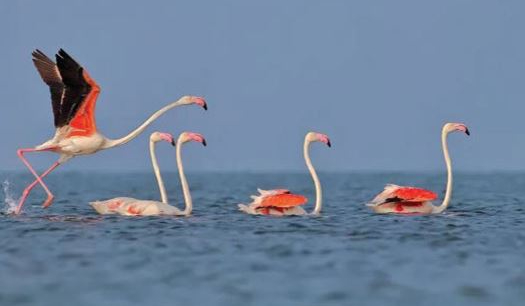
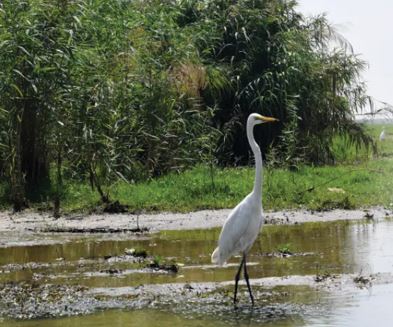
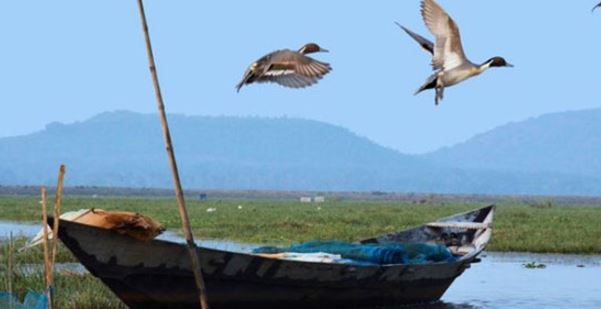
Chilika was India’s first Ramsar Site, alongside Rajasthan’s Keoladeo National Park. Recognised as Asia's largest brackish water lagoon, it attracts over a million migratory birds each winter and thus drawing birdwatchers from around the world to it each year. Birds from regions like the Caspian Sea, Lake Baikal, the Aral Sea, Russia, Central and Southeast Asia, as well as Ladakh and the Himalayas, migrate to Chilika Lagoon for its safe and secure environment. The lagoon is a vital livelihood source for the local community. It’s rich fishery resources sustain around 200,000 local fishermen. Renowned internationally for its prawns, crabs, and unique fish species, Chilika is the largest coastal wetland in eastern India, hosting about 228 species of migratory birds every year. Additionally, the lagoon supports resident birds, offering abundant food and a protected habitat.
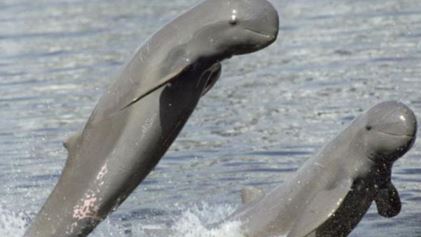
It is one of the last refuges of the Irrawaddy Dolphin, with an unique combination of freshwater, deltaic, and saline habitats, it is one of the most important ecotones (transitional zones between freshwater and marine environments) in the world. Chilika is home to a wide variety of species, including over 200 species of rare and commercially valuable fish. The lagoon also hosts a small population of Indo-Pacific Bottlenose Dolphins (Tursiops aduncus), which migrate here.
The unique factors that make Chilika Wetland special also present significant challenges. Deforestation along its feeder rivers leads to erosion, which increases siltation and causes the lake to shrink, reducing its average depth from 2.4 meters to less than 1.5 meters. The excess silt also clogs the outlet, shifting the lake’s mouth and disrupting its connection to the sea. In 1993, 12 years after being designated a Ramsar site, Chilika was added to the 'Montreux Record,' a list of Ramsar sites under threat, due to ecological changes driven by human activities.
Restoration efforts, led by the Chilika Development Authority (CDA) started in 1992. In 2000, a new mouth was opened through the barrier beach, restoring natural water flow and salinity levels, which helped balance the freshwater and saline ecosystems. As a result, Chilika was removed from the Montreux Record in 2003, marking a major success in conservation efforts.
However, the lake continues to face threats such as climate change that has led to more frequent and severe cyclones, jeopardizing biodiversity and the communities living along the lake. Fishing communities that have relied on the lake for centuries are being displaced. Exploitative practices by commercial fishing agencies further increases pressure on the lake’s resources.
Another significant wetland ecosystem is Bhitarkanika, which is home to a rich variety of flora and fauna. It is India's second-largest mangrove ecosystem, following the Sundarbans National Park, is Located in the Kendrapada district of Odisha. The sanctuary encompasses estuarine crocodiles, mangrove forests, backwaters, and river creeks, making it a vital natural habitat. The ecosystem provides a home for species like king cobra, Indian python, and water monitor lizard. However, the sanctuary's most notable endangered species include the estuarine (saltwater) crocodile and the Olive Ridley turtle. In 2002, the Bhitarkanika mangroves was designated as a Ramsar site, recognizing its significance as a wetland of international importance by Wetlands International, South Asia.
Bhitarkanika National Park, Bhitarkanika Wildlife Sanctuary, and Gahirmatha Marine Sanctuary, has over 80% of Odisha’s mangrove cover. Natural disasters or man-made pressures have damaged the Bhitarkanika mangrove habitats. Excess water allocation for industries has become a significant cause of concern for Bhitarkanika national park. Coastal water near the area has lower salinity due to freshwater from Kharasrota and Brahmani Rivers. Proposed diversion of Brahmani River water poses a threat to this National Park. As salinity levels rise, estuarine crocodiles may migrate upstream, potentially leading to a significant increase in human-crocodile conflicts, as they move beyond the core sanctuary area. Additionally, a reduction in water discharge will result in the decline of mangrove forests, which could turn the Gahirmatha Marine Sanctuary into a marine desert in the absence of these vital ecosystems. Bhitarkanika plays a crucial role in providing nutrients that are carried downstream to the Gahirmatha Marine Sanctuary, that support the world's largest congregation of Olive Ridley sea turtles, drawing them for nesting and breeding.
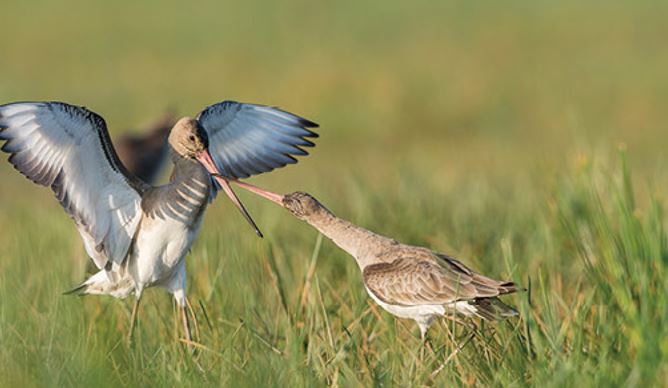
Established in 1976 as a wildlife sanctuary, Satkosia Gorge in Angul district is a mosaic of rivers, marshes and evergreen forests at the meeting point of two biogeographic regions, the Deccan Peninsula and the Eastern Ghats. These wetland habitats support a variety of plant and animal communities. The sanctuary is home to a diverse range of bird species, including grassland birds, waterfowl, tree-dwelling birds, high-altitude birds, and migratory species. This rich avian diversity is a result of the varied ecosystems found throughout Satkosia. From the high-altitude Panchadara-Satkosia river Mahanadi gorge system to dry deciduous forests, wetlands, dense woodlands, valleys, grasslands, and meadows, each habitat offers a unique environment that supports a wide array of birdlife. But growing population pressure on the sanctuary seems to have had an adverse impact on the bird habitat. With more and more land being put to residential, commercial, industrial and mining uses, grasslands and other such habitats are getting reduced. The recent increase in death of Mugger crocodile (Crocodylus Palustris) here, has raised concerns regarding the threats to this vulnerable species.
Recently, the sanctuary has partnered with local communities, NGOs, and government agencies to implement crucial conservation initiatives. These efforts focus on habitat restoration, anti-poaching patrols, and community-led ecotourism projects. In addition, awareness campaigns are being conducted to educate visitors, schools, and local stakeholders about the importance of wildlife conservation and environmental stewardship.
In 2010, Indian Grameen Services (IGS), a not-for-profit organization, established Mangalajodi Ecotourism, aimed at engaging youth in groundwater conservation and ecotourism. Here youth are trained to raise awareness about ecosystem preservation, protect migratory birds at Chilika Lake, and guide tourists, which also provides them with livelihoods. In collaboration with UNICEF’s Youth4Water initiative, these efforts focus on waterbody protection, rejuvenation, and creating sustainable livelihoods. The Youth4Water Campaign, launched in Odisha in 2019, not only engages young people in conservation and climate actions but also helps them find and establish sustainable livelihood opportunities.
Both the government and international organizations are actively working to restore these ecologically vital wetlands, while also promoting ecotourism as a means to boost the financial well-being of local communities and encourage their active participation in conservation efforts. Ganesh Ram Singhkhuntia, the Minister of Forest, Environment, and Climate Change recently announced, the state government will develop a comprehensive plan for the advancement of Chilika and tourism around it.
On February 12, 2023, Wetlands International South Asia and Water Initiatives hosted a youth exposure program at Hirakud Reservoir in Odisha. Supported by various organizations, including the Sambalpur Wildlife Division, JCI Sambalpur Foundation, and funded by BMU-IKI and GEF-UNEP-MoEFCC, the program featured discussions and a tour of the reservoir. The event aimed to raise awareness about wetland conservation, educating youth on the importance of wetlands and how they can contribute to their protection.
Similarly Ansupa, an oxbow lake, situated around 50 kilometres away from the twin cities of Cuttack and Bhubaneswar, is another wetland of international importance. “Water bodies that get isolated from rivers supporting them normally dry up and die. But fortunately, Ansupa survived and a freshwater ecosystem came up in and around the wetland,” said Susanta Nanda, Ex-Chief Executive of CDA, who guided and oversaw the restoration and conservation works at Ansupa. Large amounts of silt about 100,000 metric tonnes a year comprising clay and sand and heavily loaded with nitrogen and phosphate, flow in from paddy fields and get deposited in the lake during rainy seasons. Even though the water body came under the control of the CDA during 2008-09, the restoration works involving manual de-weeding began only in 2016.
In order to engage the local community, which is the primary beneficiary of the ecosystem, in protection and conservation works, the CDA formed the Ansupa Integrated Self Help Group accommodating four local SHGs in it. The integrated SHG is now managing all activities in the lake as well as services related to wetland dependent tourism. “We regulate fishing activities in the lake by giving it on lease to the Ansupa Matsya Jivi Society, an organization of fishermen in the locality. We also manage the tourism activities at the eco-garden complex developed by the CDA and maintain the complex,” said Shobha Dalei, 45, a member of the integrated SHG.
A third of the income generated goes to the community members engaged in various activities, and a part of it goes to the CDA that looks after restoration and conservation activities. The rest is kept as a corpus fund. Since the restoration, local women have benefited greatly, with new livelihood opportunities emerging. “The lake’s restoration has expanded fishing space and created other income-generating avenues for us,” said Subarni Dalei. The community, especially the fisherfolk, has witnessed remarkable improvements.
After the Supreme Court directed each state and Union Territory’s wetland authorities on December 11 last year to complete ground truthing and demarcate the boundaries of wetlands identified by the Space Applications Centre Atlas (SAC Atlas) of 2021 within three months, the Orissa High Court registered a Public Interest Litigation (PIL) for the conservation of Chilika Lake and Bhitarkanika Mangroves at the earliest. The Supreme Court also instructed the high court to ensure that Ramsar sites within their jurisdiction were properly maintained. This order was issued as a continuation of its earlier directive on April 3, 2017, to 15 high courts (including the Orissa High Court) to initiate suo moto PILs for the conservation of 26 major wetlands in their jurisdiction, all of which are Ramsar sites. The Orissa High Court has scheduled February 12, 2025 to begin monitoring the measures taken for the conservation of six wetlands in the state that are internationally recognized under the Ramsar Convention.
Both state and central governments are deeply committed to foster positive change in the field of wetland conservation. One such significant initiative is the central government’s Amrit Dharohar scheme, which aims to promote the sustainable and optimal use of wetlands while placing a strong emphasis on the involvement of local communities. Initiatives like Youth4Water, ecotourism, and other collaborative methods involving government, international bodies, NGOs, and local communities are vital in the restoration and preservation of Odisha's wetlands and natural ecosystems. These collective efforts bring together diverse stakeholders to work towards sustainable management, environmental education, and increased awareness among youth and local people. The conservation of these invaluable natural resources, coupled with promoting tourism and involving local communities, forms an interdependent and virtuous cycle. This approach not only helps the government create economic opportunities but also strengthens conservation efforts, ensuring that both environmental protection and sustainable development go hand in hand. By fostering partnerships at all levels, we can ensure the long-term health and resilience of these valuable ecosystems, which not only support biodiversity but also provide essential services to the local communities.