
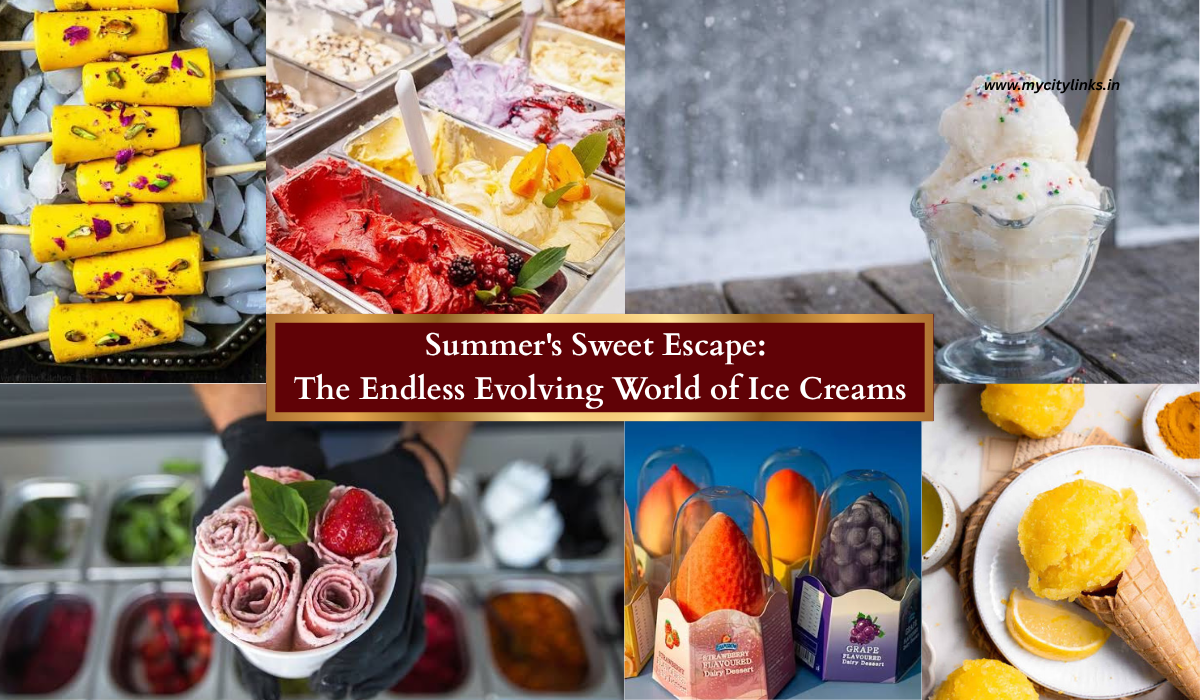

Summer's Sweet Escape: The Endless Evolving World of Ice Creams
The arrival of summer in India isn't gentle; it takes its place and makes itself known. Days grow longer, the weather grows heavier, and the pace of life slows a bit. And just like that, it comes with an urge not just to have something cold but comforting. An urge for ice cream. To the inhabitants of Bhubaneswar, ice cream isn't just a sweet dessert, but more like a seasonal habit. It could be the orange candy stick that you enjoy after your day ends at school, the swirling soft ice cream that you get while on a shopping spree, or even the bell of the kulfiwala that travels down the streets.
What we find interesting is how ice cream doesn’t really feel like a decision anymore. It quietly becomes part of your routine without you actively choosing it. You may not even be craving it, but you still end up having it because it fits so easily into your day's flow. That familiarity is what makes it different from other treats.
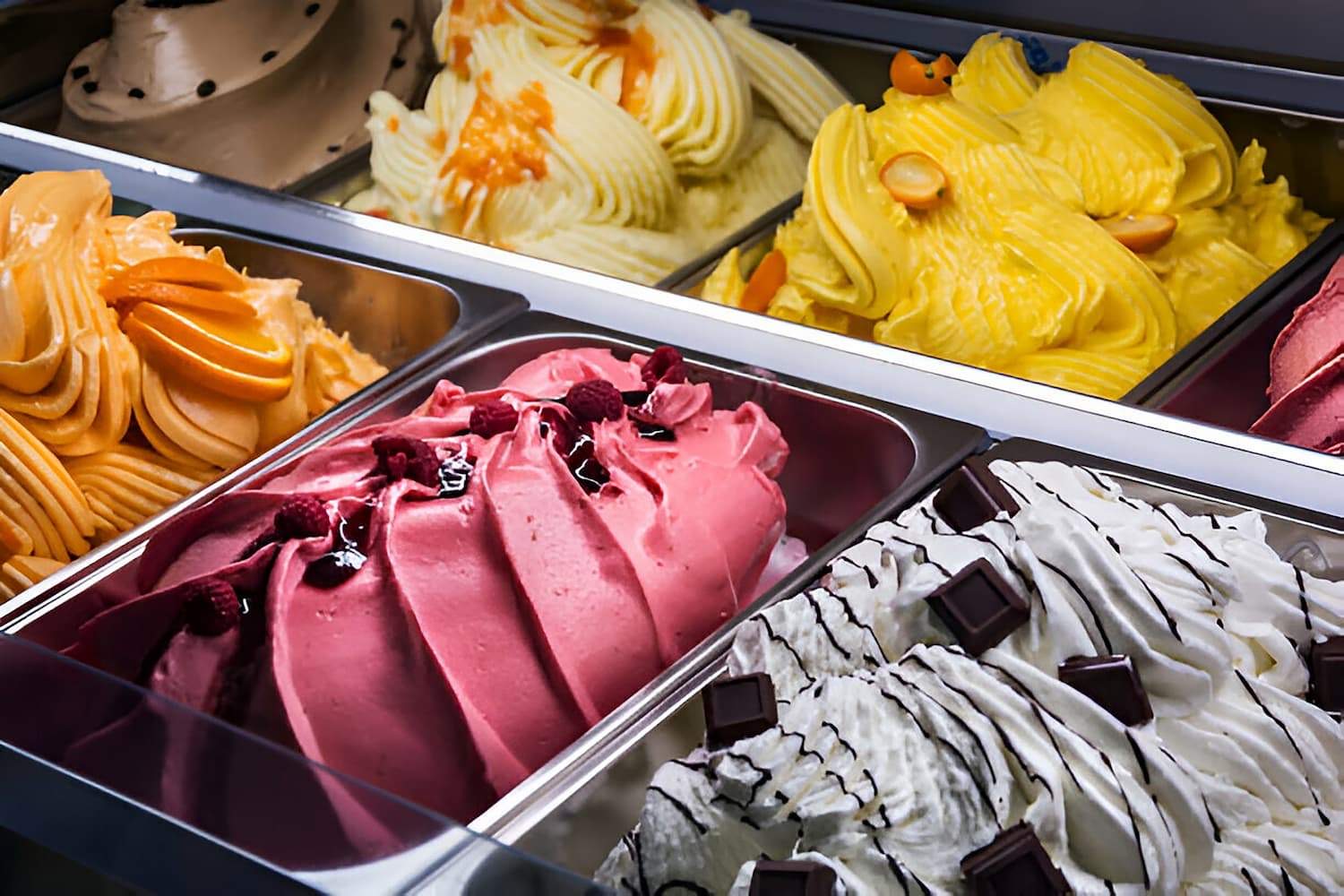
In this Summer special story, let’s explore more about ice creams and learn more about them.
Before Ice Cream Had a Name
Before ice cream became a defined category, Bhubaneswar, like many Indian cities, had simpler forms of cooling treats. Vendors would move through neighbourhoods carrying blocks of ice, shaving them into small portions and flavouring them with syrups or sweetened liquids. These early versions were basic in preparation but deeply effective in serving their purpose, relief from the heat.
These were not luxury items. They were immediate, accessible, and rooted in everyday life. Children would gather around these vendors, coins in hand, waiting for a quick serving that would melt almost as fast as it was consumed. The appeal lay not in variety or sophistication, but in the experience of momentary relief during long, humid afternoons.
They were not standardised or branded, but they introduced the idea that something cold, sweet, and handheld could become part of everyday summer life. In many ways, they formed the earliest foundation of what would later evolve into structured ice cream consumption.

From the beginning, being a mere solution to beat the heat, it has now transformed into a culture of indulgence and evolving taste. Moreover, it integrates itself into our routine lives without much ado. Instead of being deliberate and planned, it turns out to be impromptu in nature. Whether it is taking a quick breather from your hectic work schedule or enjoying a relaxing walk around the block, you might find yourself heading to an ice cream parlour.
The city of Bhubaneswar also witnesses this phenomenon during its hot summers. People come together in small groups at the ice cream parlours, and others on their way back from running errands indulge themselves in this delicacy. In other words, ice cream consumption becomes more like a daily occurrence for people in the summertime.
What makes this shift particularly interesting is how seamlessly it has blended into the rhythms of urban life. Ice cream is no longer reserved for special occasions or celebrations. It exists in the in-between moments, after classes, between meetings, during evening walks, or simply as an unplanned pause in the day.
One thing that makes ice cream truly special is the fact that it appeals to all generations of people. As a child, you would love its taste and diversity, while the adult in you finds solace in its familiarity. With each passing day, it comes up with newer varieties and flavours but retains its same essence.
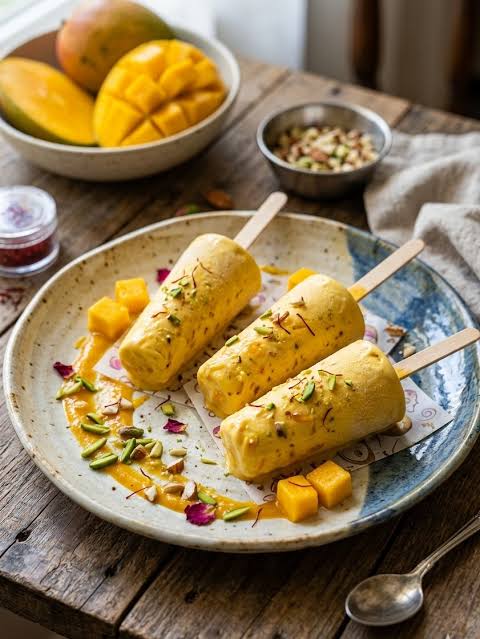
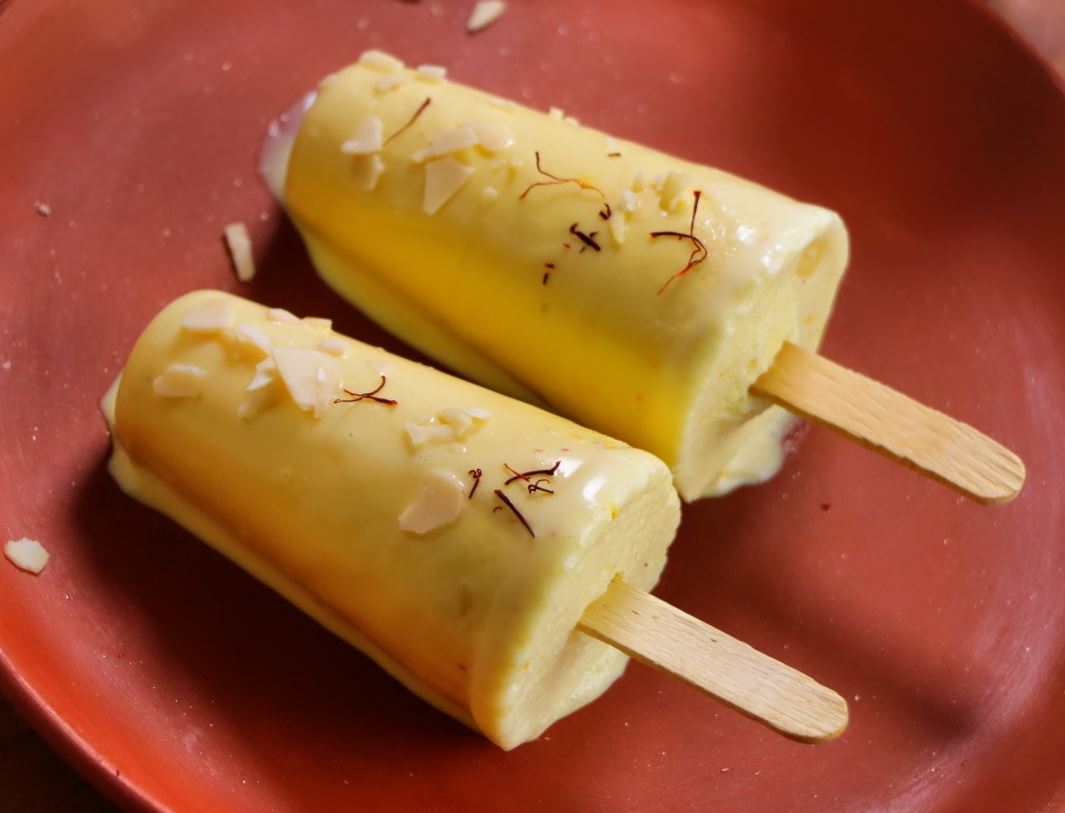
Long before artisanal desserts and premium frozen treats became trends, Narula's had already carved a place in Bhubaneswar’s food culture through something deeply nostalgic and familiar: traditional kulfi. First, the handmade kulfi used to be sold on the streets of Bhubaneswar and also at other semi-urban and rural places by the street vendors, who used to ring hand bells to attract children and also as a sign that they had arrived. There used to be a red cloth covering a plastic tub, which had Ice and kulfi moulds filled with liquid kulfi. The vendor used to dip the iron moulds in a bucket of water and slowly get the kulfi stick out of it. Then the famous ‘Kailsh Pao-Vaji stall came to Bhubaneswar, which also introduced kulfi faluda in the town.
Then, after a few years, the brand ‘Narula’ came up with the idea of selling branding paper-wrapped kulfi. Then, following the popularity and trend of kulfi, you can now find multiple other local and national companies selling kulfi.
How Narula’s Became Bhubaneswar’s Kulfi Legacy
Speaking about the origins of the brand, Siddharth Narula shared that Narula’s was started not by generations before him, but by him and his elder brother during their college days. Explaining how the idea behind Narula’s was rooted in recreating the homemade kulfi many Indian families grew up with in the 1970s and 80s. He said, “We started this ourselves while I was doing my B.Com. At that time, kulfi was loved by everybody, but it wasn’t available in a proper, hygienic way. There were brands selling ice cream and calling it kulfi, but traditional kulfi is completely different. Back then, people used to make kulfi at home by slowly churning milk and freezing it in moulds. That rich, pure milk taste is what people are emotionally connected with. We simply tried to commercialise that homemade experience.”
What began as a small experiment by two young college students soon became one of Bhubaneswar’s most recognisable dessert brands. Siddharth recalled how, in the early 2000s, Market Building served as one of the city’s biggest social and shopping hubs, helping Narula grow through word-of-mouth. Over the years, Narula became deeply tied to nostalgia for many people across Odisha. Despite changing consumer preferences and increasing competition in the dessert industry, Siddharth believes authenticity continues to define the brand.
“Honestly, we never imagined it would become this big. We thought we’d just try something different. But people connected with it in ways we never expected. There was no social media back then. Bhubaneswar didn’t have malls or large shopping complexes the way it does today. People visited the Market Building regularly, tried the kulfi, and then kept coming back. Today, Narula is an emotion for many customers. People remember having our kulfi during their school days, college outings, or family visits to Market Building. That nostalgia keeps bringing them back. We always focus on natural flavours and quality. Whether it’s sitaphal, mango, paan, black currant, or chocolate brownie kulfi, we try to keep the products as authentic as possible without unnecessary preservatives. The new generation wants to try everything. They are more experimental and curious than we were. Earlier, people stayed loyal to a few traditional flavours. Today, customers want both nostalgia and innovation together,” he added.
One of the biggest challenges, he explained, has been helping people understand the difference between kulfi and ice cream. There is a very thin line between ice cream and kulfi for most consumers, but technically, they are very different products. As someone from the industry, he understands the difference, but educating retailers and customers about that has always been challenging. To keep evolving with the market, Narula has focused heavily on innovation while staying rooted in traditional flavours.
“For almost 10 to 12 years, we only had one flavour, kesar pista kulfi. Later, we started introducing natural fruit flavours like sitaphal, alphonso mango, lychee, chiku, and jamun. Jamun products already existed in the market as ice candies, but we transformed them into an actual milk-based kulfi flavour. Then we introduced products like chilli guava kulfi, which was something completely different for customers. Everybody has different taste buds, so we keep experimenting and creating products for every kind of customer. That’s how you stay relevant while still preserving the identity of the brand,” Siddharth signed off.
‘Bestow’ Ice Cream: Odisha’s Homegrown Natural Ice Cream
For Raima Raj, ice cream has never been just a dessert. It has always been a reflection of culture, community, and making healthy indulgence accessible to everyone. Speaking about the journey of Bestow Ice Cream, Raima shared how the legacy began over five decades ago under their parent company, Royal Foods. She said, “We’ve been in operations for 57 years now. My father started manufacturing ice cream because, back then, Odisha didn’t really have access to good-quality ice cream. Most brands sold frozen desserts, not real ice cream. We wanted to change that.”

She explained that the company has been supplying pure milk-based ice cream across Odisha for years, reaching cities and towns including Sambalpur, Berhampur, Rourkela, and even remote regions like Kalahandi.
Raima credits much of the brand’s philosophy to her father, Rajkumar Raj, whose vision shaped the company’s foundation.
“Our idea was always simple. Good quality ice cream should not be a luxury. We wanted everybody to be able to afford healthy, natural ice cream at a reasonable price. Our factory is set up within a three-acre farm filled with mango, papaya, and other fruit trees. During the season, we directly process the fruits and use them in our ice creams. That’s why keeping things natural has always been important to us,” she added.
Long before “natural ice cream” became a trend, the company had already begun working toward it. She said, “We were actually supposed to launch our natural ice cream range in 2020, before many of these brands even existed in the market. But the pandemic hit in the very same month. We faced huge losses during COVID and eventually had to shut down operations in 2023. This is more than just creating ice cream. It’s about creating a culture where healthy food isn’t restricted to premium consumers. Everyone deserves access to clean, natural food. You won’t find chemical-heavy frozen desserts here. We use milk, sugar, stabilisers, and real fruits, and we try to keep everything as natural and honest as possible.”
She emphasised how the brand consciously avoids artificial ingredients and focuses on keeping its products as close to nature as possible.
“What keeps us going is when somebody calls and says our Alphonso mango ice cream reminded them of real mangoes from their childhood. Those moments matter. We source fruits directly from farmers and work closely with local communities. As we grow, we want every vendor, worker, and farmer associated with us to grow too. Some of our workers have been with us for 11 years now. Watching their families grow alongside ours is something very special. Ice cream is no longer just a seasonal treat. People are becoming more conscious about quality and ingredients, and that’s exactly the space we want to build in. Honest, natural ice cream that everybody can enjoy,” she signed off.
More Than a Simple Treat
Today’s ice cream cannot simply be termed milk and sugar that have been frozen. Rather, it is the result of several innovations, affordability, and awareness. First, there exists an important distinction in ice creams, one between ice cream and frozen dessert. The former refers to ice creams made from milk fat and thus has a thicker consistency and slower melting process. Some of the prominent names in this product category are Amul and Mother Dairy.
On the other hand, frozen desserts use vegetable oil in place of dairy fats. Though they are dominant in the industry, customers are becoming increasingly aware of their choices in terms of products. They pay attention to ingredients used and quality standards met.
Nutrition consultant, Priya Praharaj said, “Increasingly, people are becoming more attentive to what they consume, even in everyday indulgences like ice cream. It is no longer just about taste or brand familiarity, but also about ingredients, sourcing, and overall quality. This shift reflects a more conscious approach to choices, rather than a reduction in consumption.”
This awareness does not necessarily reduce demand. Instead, it reshapes it. Consumers are not moving away from ice cream; they are becoming more selective about what they consume. Labels are read more carefully, ingredients are questioned, and preferences are slowly shifting towards transparency and quality.
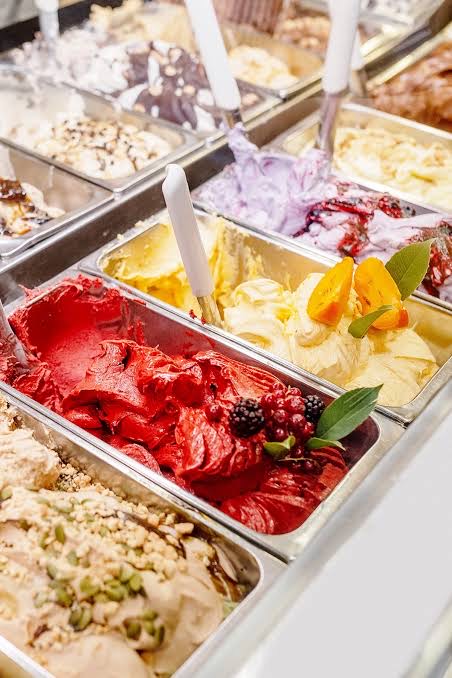
Moreover, formats of ice creams have undergone change. Not all ice creams are now served in cups in the form of scoops. There are cones, bars, sandwiches, sundaes, ice cream cakes, and layered desserts. In addition to these variations, there have been various changes in terms of the number of different kinds of ice cream that exist. Gone are the days when only a few types of ice cream were available; now there are many varieties, some based on ice creams made using international recipes.
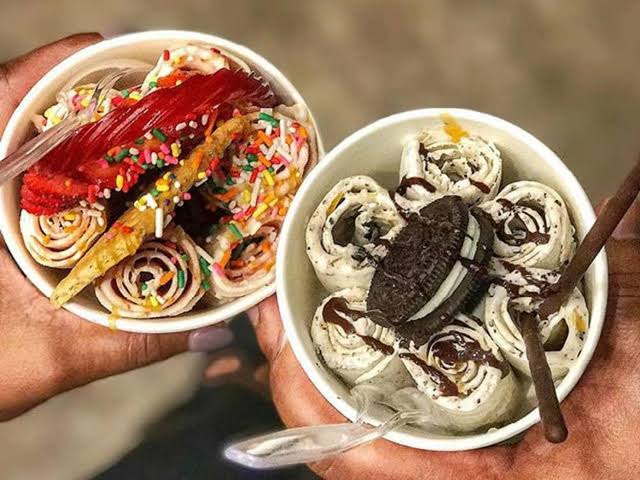
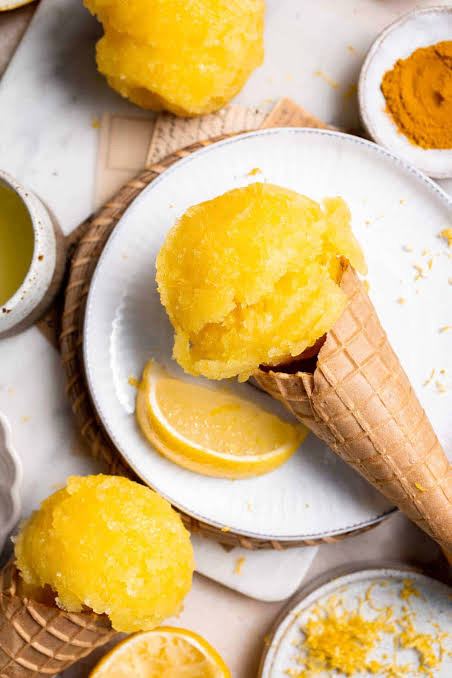
For example, gelato is characterised by being dense and flavorful because it contains less air than normal ice cream. Meanwhile, sorbet provides a lighter option without the presence of milk, thus making it ideal for hot weather. Other innovative types include rolled ice cream, which allows you to customise your choice, and snow cream, which uses shaved ice.
Although many innovations have been brought to the ice cream world, traditional varieties such as kulfi are not forgotten. The method used for creating them is pretty much the same as it was in olden times, and their flavours, too, have remained similar.
A Tale from the Streets to Parlours
Just as the history of ice cream in Bhubaneswar has been one of evolution, so too has that of its spaces. While the humble vendor remains unchanged, reliable, and nostalgic, an entirely new tradition has also come into being. Today’s parlours aren’t just somewhere to purchase the product, it's somewhere to hang out, socialise, and relax.
Before this shift, kulfi dominated the city’s frozen dessert culture. Sold through small stalls and moving vendors, it represented a slower, more traditional way of consumption. Over time, this began to evolve with the commercialisation of ice cream through organised systems of production and distribution.
In the 1980s and 1990s, Bhubaneswar had very few dedicated ice cream parlours. Ice cream was mostly purchased from small shops or vendors, and the experience was functional rather than social. There were limited options, minimal variety, and almost no concept of lingering in a space dedicated to dessert. With the gradual expansion of brands like Amul and improved retail access, ice cream became more widely available. Freezers became common in local stores, and distribution networks improved accessibility. What was once occasional and limited gradually became regular and convenient.
Today, it is present at almost every street corner, reflecting a major shift in both access and culture.
Remembering the old times, a café owner, Rituparna Das, said, “Ice cream parlours today function very differently from how they used to. I remember back then, the ‘Top n Town’ franchise was very famous in terms of having multiple Ice-cream parlours in the state, especially in Bhubaneswar. It’s no longer just about buying something and leaving. People prefer Ice-cream parlours these days to spend time, sit, and talk. The environment, the seating, and even the way the menu is designed now contribute to the overall experience. Now the ‘Arun’ Ice-cream parlours are everywhere in the city. ”
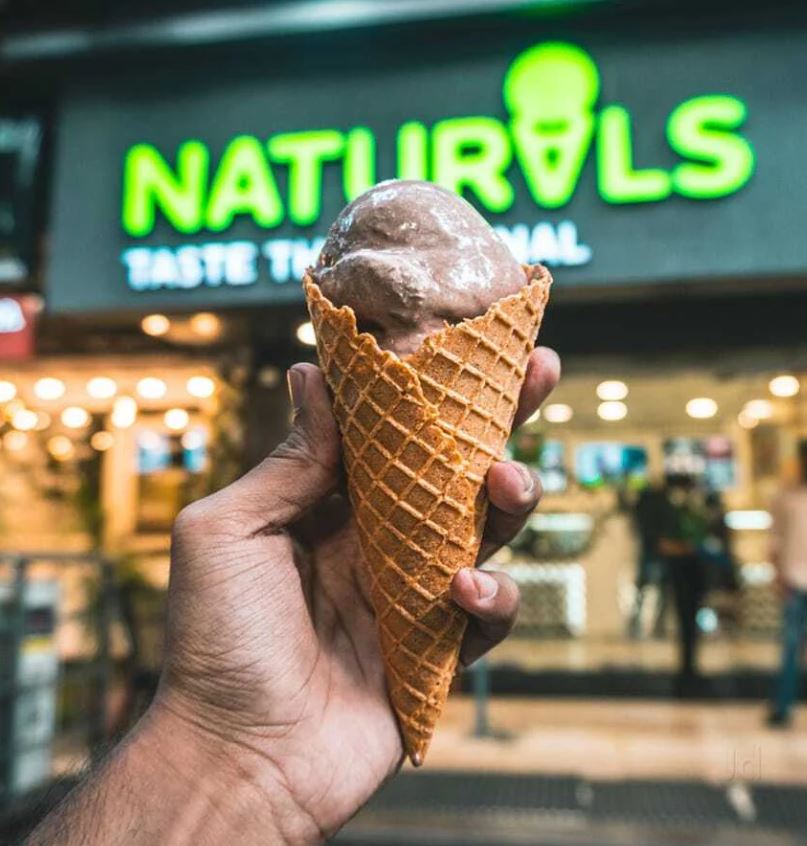
With brands such as Naturals Ice Cream setting an example of using fresh fruit and natural flavours to create a truly authentic experience, Odisha too has started adapting to the same trend of minimalistic ice cream making, but with a touch of regional flavours, such as jaggery, chhena, jackfruit, and litchi. Alongside this, brands like Dinshaw’s, Celeste, and Vista Ice Cream have contributed to making ice cream widely accessible across the city.
The Dessert That Keeps Moving On
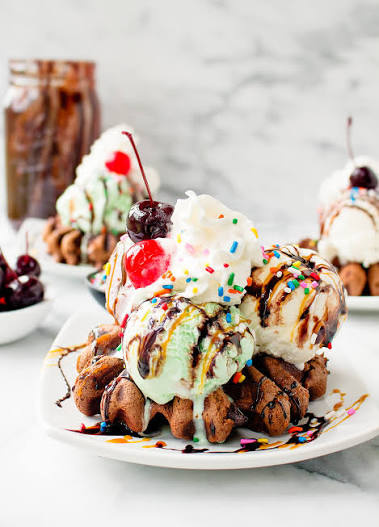
What sets ice cream apart as an eternal treat is its ability to transform and reinvent itself. No longer on its own, ice cream accompanies. Melts atop brownies, mixes within coffee, layers over sundaes, and serves as a foundation for celebratory cakes. Ice cream sandwiches offer the contrast of texture, whereas fried ice cream offers a twist on both temperature and taste.
Flavours also come in all shapes and sizes, venturing beyond the classics to include everything from paan, rose, and tiramisu. Ice cream doesn’t fight against evolution. It adapts with it. One of the other noteworthy features of this evolutionary trend is the manner in which ice creams impact social interactions. It stands apart from other types of food consumption because it does not involve any prior planning. Hence, it has become one of the easiest forms of indulging socially in an activity.
The entry of global brands like Baskin-Robbins introduced a new experience, especially through its concept of 31 flavours and the option to sample before choosing. This made the process of selecting ice cream more interactive and exploratory for consumers. At the same time, newer formats such as rolled and stone-mixed ice creams have added a performative aspect to consumption, where preparation itself becomes part of the experience.
An MBA student, Arvind Nair, said, “In a city where people are constantly balancing work and personal commitments, plans that are simple and flexible tend to work best. Ice cream fits into that space very naturally. It doesn’t require much planning, yet it still offers a chance to pause and connect, even if it’s for a short while.”
Over time, ice cream parlours in urban areas such as Bhubaneswar have become informal meeting places where conversation starts easily and continues uninterrupted. This applies whether it is just a brief meeting or a longer event; ice creams make it easier to initiate and maintain socialising. At the same time, enjoying ice cream alone is becoming increasingly important. It allows people to take a break from their busy schedule for a short while. In either case, the use of ice creams becomes a means of taking a breather in between the activities of daily life.

Indulge, But With Knowledge
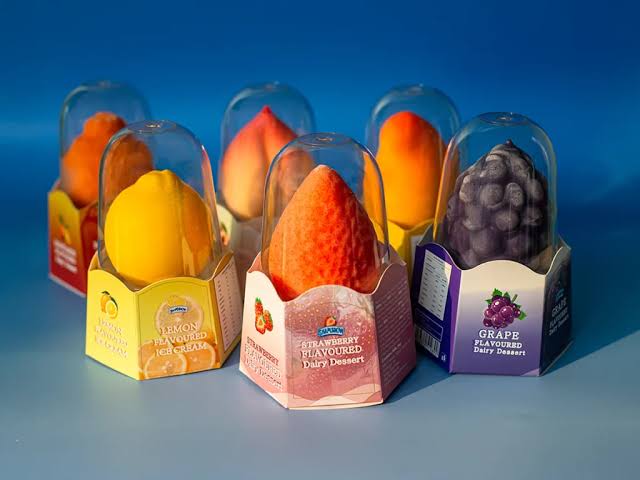
The modern consumer is more inquisitive, more educated, and more choosy. There is an obvious trend towards natural ice creams that use actual fruits, craft manufacturing processes, vegan substitutes, and low sugar variants. Even homemade ice creams are staging a comeback, the simple, preservative-free, and customised kind.
Alongside mainstream options, there is a growing interest in artisanal and small-batch ice creams that focus on natural ingredients and minimal processing. These offerings reflect a shift towards quality, authenticity, and a more conscious approach to indulgence.
Rashmi Das, a homemaker, said, “As a parent, I don’t necessarily restrict ice cream, but I do pay more attention to what my children are having. If the ingredients feel better or more natural, I’m more comfortable with it. It’s still a treat, but one that I prefer to approach with a bit more awareness.”
Ice Cream Between Memory and Now
Even as a result of all the changes, ice cream is a highly emotional thing. It can be found in the fleeting moments of the first taste that cools the hot air, sharing smiles while eating the dripping ice cream, and the familiarity when feeling tired.
A retired school teacher, A K Pattnaik, said, “When we were younger, ice cream wasn’t something you had every day, so it naturally felt more special. There was a sense of anticipation around it. Today it’s easily available, which is great in its own way, but the emotional value hasn’t disappeared. It has simply changed with time.”
Even pop culture acknowledges its charm. There is an iconic moment in Taqdeerwala where Yamraj refers to ice cream as “Heem Cream.” It is a funny moment, but at the same time, it reflects how amazing it feels to see such a simple yet pleasant thing. The wonder of such a feeling also exists in Bhubaneswar.
A Journey Through Time
Before ice cream became an item for summertime, its history spanned thousands of years. While it had taken many different forms in ancient China and was perfected in Italy in the form of gelato, its history in India was characterised by kulfi, a dense, heavy, and traditional dessert. Over time, Western varieties made their way into India, becoming popular through products such as Amul ice cream. And thus began a process of transformation.
Ice cream isn’t simply a means of cooling off. It is history, culture, innovation, and solace frozen together in one treat. The transformational tale of the ice cream from kulfi sellers operating out of tiny lanes to specialised scoops served at contemporary parlours is testimony to the evolution that has happened and still hasn’t. Ultimately, it’s important to remember that when you’re stuck in an endless Odisha summer, ice cream will always be the same thing, a little respite from life’s heat.