

The Secret History of E.T. Uncovering the Artists Inside the Alien
Collaborative Soul of a Cinematic Icon
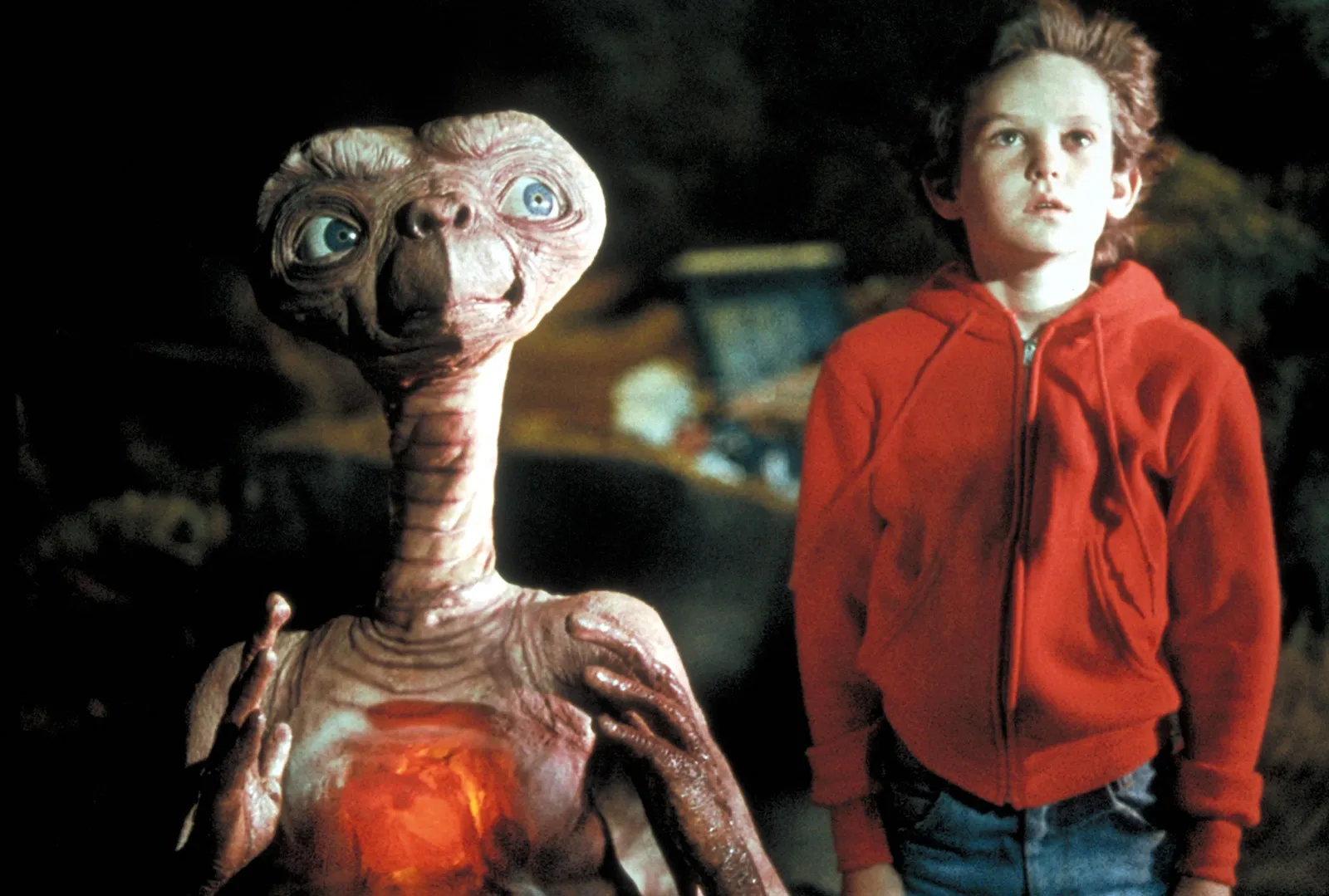
The enduring magic of Steven Spielberg’s 1982 film, ‘E.T. the Extra-Terrestrial’, lies in its title character, a creature whose vulnerability and charm captured the hearts of a generation. For decades, the specifics of how E.T. was brought to life were largely behind the curtain of filmmaking mystique. The reality is a complex tapestry of creative problem-solving, combining mechanical ingenuity with the often-uncredited contributions of several human performers. At the heart of this collaborative effort was Matthew DeMeritt, an 11-year-old boy whose unique physicality provided the alien with its most distinct and endearing movements.
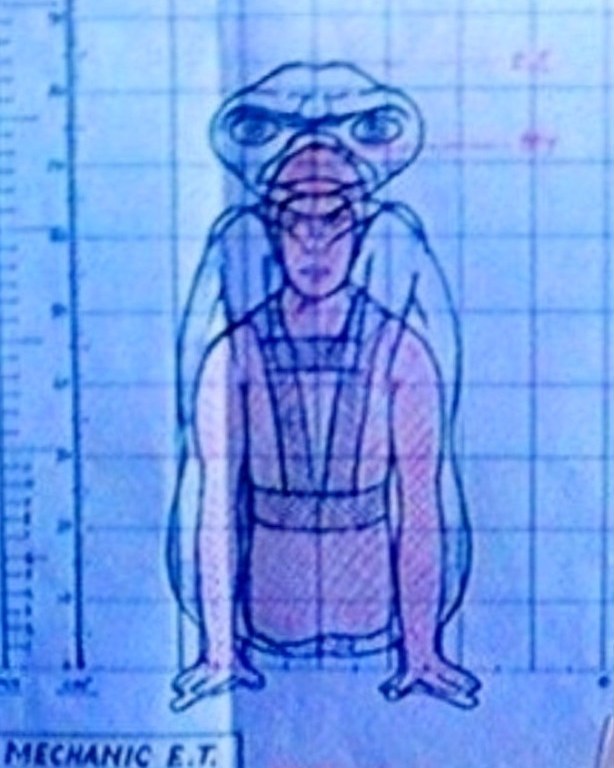
In 1981, the film’s production team faced a significant challenge: making a three-foot-tall alien walk in a way that was believable yet fundamentally non-human. Animatronics of the era had limitations in mobility. The solution came from an unconventional casting search that led them to the UCLA Medical Center. There, they found Matthew DeMeritt, a boy born with congenital agenesis of the lower limbs, who had mastered walking on his hands. This unique form of ambulation, with its distinct center of gravity, was precisely what Spielberg’s team needed to give E.T. a convincingly awkward and lifelike gait.
DeMeritt’s most memorable contribution is in the scene where E.T. becomes inebriated after drinking beer in the kitchen, a sequence that telepathically affects his human friend, Elliott, at school. Spielberg’s direction for this scene was a masterclass in leveraging a performer's natural abilities. He choreographed a series of stumbles and falls, tasking DeMeritt with walking into a cabinet, falling, and then collapsing face-first. This direction transformed a potentially complex acting challenge into a physical performance for which DeMeritt was uniquely suited, resulting in a moment of authentic and charming physical comedy.
A Performance by Committee
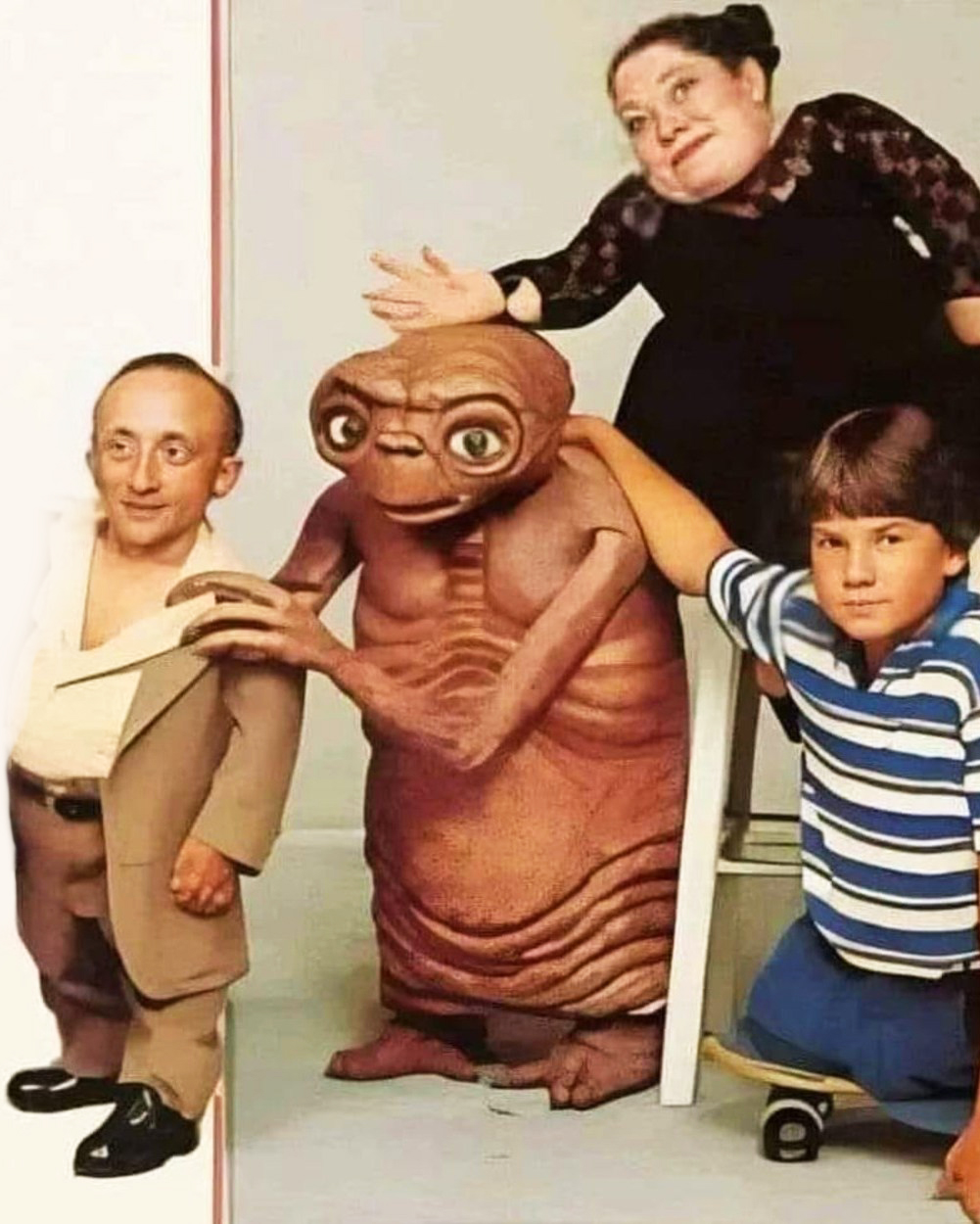
The character of E.T. was a pioneering example of a composite performance, blending the work of multiple artists to create a single, seamless entity on screen. DeMeritt was one of three in-suit actors. The other two were Pat Bilon, a 2-foot-10-inch actor who performed in the majority of scenes requiring general movement, and Tamara De Treaux, who stood 31 inches tall. The conditions inside the rubber suit, designed by special effects artist Carlo Rambaldi, were physically demanding, often described as being intensely hot.
Beyond the full-body performances, other artists contributed crucial details. The alien’s delicate and expressive hand movements were performed by professional mime Caprice Rothe, who wore long, four-fingered gloves and was often positioned just out of the camera’s frame. The iconic, raspy voice of E.T. was another serendipitous discovery. Sound designer Ben Burtt found Pat Welsh, a woman in her 60s whose voice had been shaped by a heavy smoking habit, in a camera store. For a modest fee of $380, she provided the vocalizations that would become globally recognized.
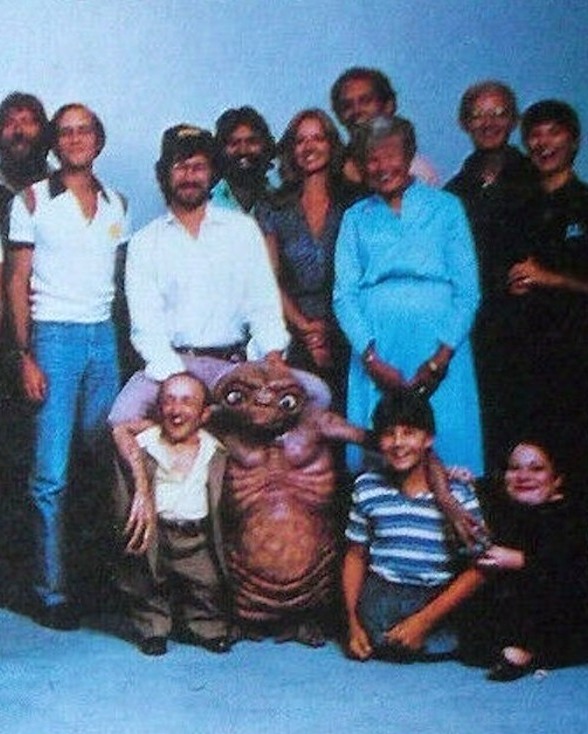
This human collaboration was supported by the groundbreaking mechanical and electronic work of Rambaldi's team. They constructed multiple E.T. models, including a cabled mechanical version and an electronic one for detailed facial movements. Four separate animatronic heads were created to convey a range of expressions, each requiring a team of puppeteers to operate. This fusion of human touch and technological innovation was essential in creating the illusion of a living, breathing creature.
The Human Element in Special Effects
The story of the performers behind E.T., particularly that of Matthew DeMeritt, highlights a common practice in the pre-CGI era of filmmaking where the identities of physical actors were often absorbed into the spectacle of the special effect itself. For nearly four decades, DeMeritt’s contribution remained largely a piece of cinematic trivia. However, a renewed cultural interest in the "making of" stories, propelled by anniversary celebrations and the internet, has brought his role and the work of his fellow performers into the spotlight.
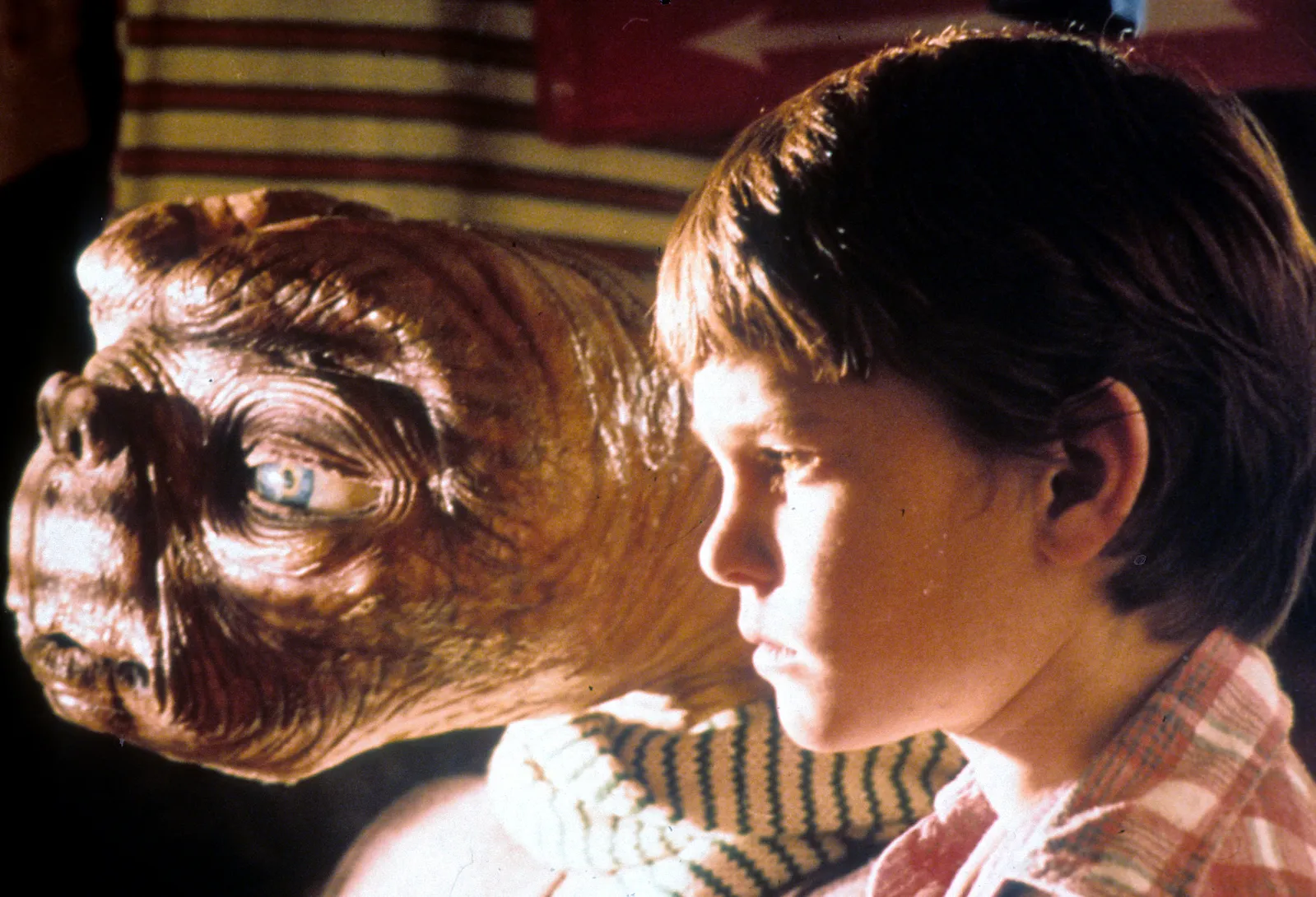
This shift reflects a growing appreciation for the human artistry that underpins even the most fantastical cinematic creations. The tale of how a young boy's unique ability to walk on his hands gave an alien its soul serves as a powerful reminder of the inventive, and deeply human, solutions that have long been at the core of movie magic. Understanding the collaborative spirit that brought E.T. to life, from the actors inside the suit to the mime’s hands and the smoker’s voice, enriches the appreciation of the film’s enduring legacy.