

The Silent Necessities of Everyday Life: Taken for Granted, Felt in Absence
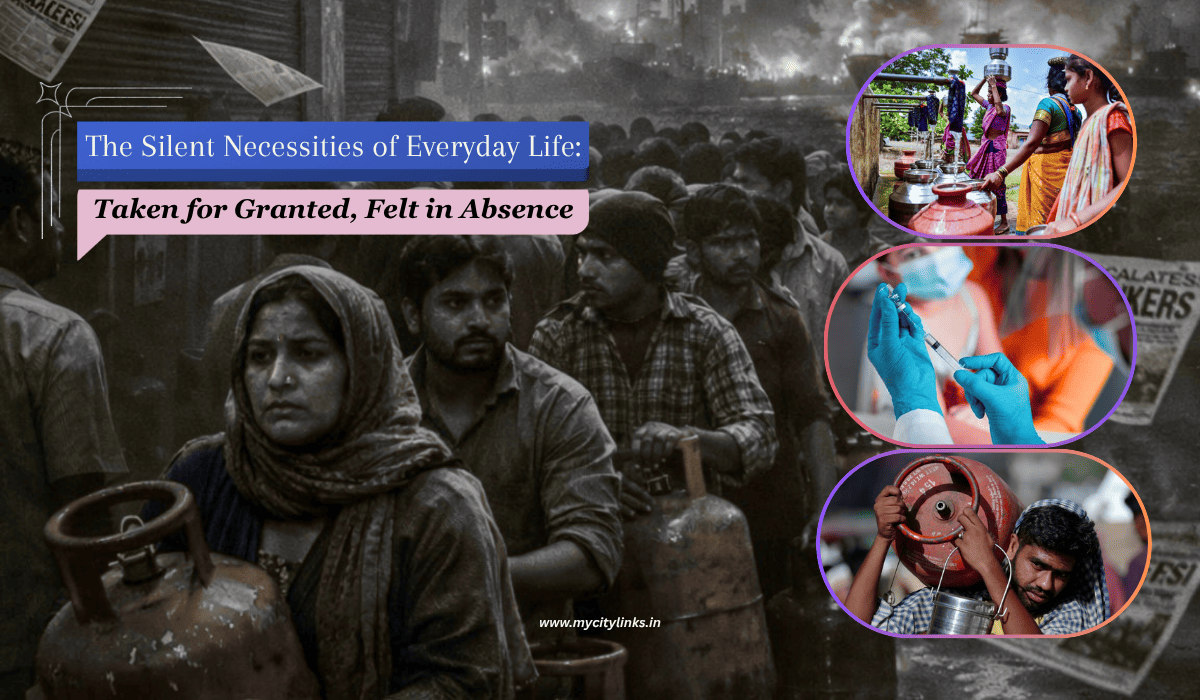
In life, as English historian and writer Thomas Fuller once said, “We never know the worth of water till the well is dry.” This truth quietly echoes through our everyday existence, where we rarely pause to think about the things that keep life moving, until the day they stop. Water flows effortlessly from taps, electricity lights our homes, LPG fuels our kitchens, and fuel keeps our cities in motion. These essentials silently support daily life in Odisha and across India, yet their absence can bring everything to a standstill.

We often notice their value only when scarcity strikes. A delayed gas cylinder, a power outage, dry taps, or empty petrol pumps instantly remind us how dependent modern life is on
uninterrupted access to basic resources. Odisha, a state that has repeatedly faced the challenges of natural disasters, infrastructure strain, and supply disruptions, has witnessed several such moments when shortages of necessities have deeply affected human survival, dignity, and everyday life.
LPG Crisis 2026: A Wake-Up Call for Modern Living
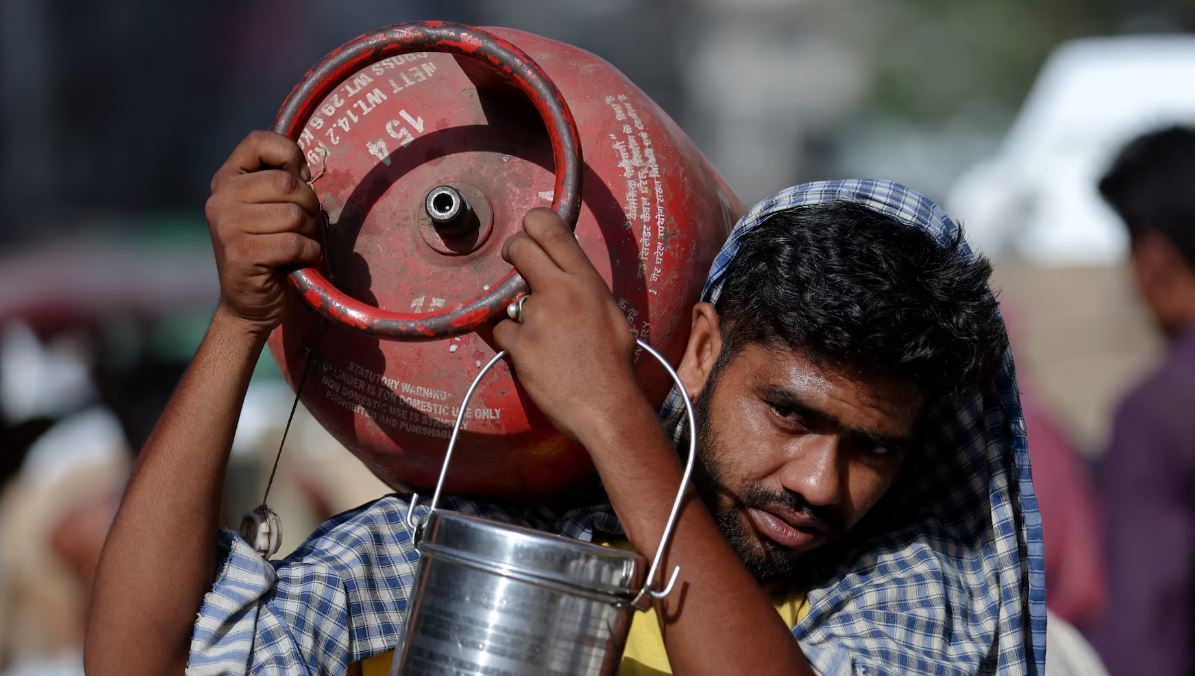
Even in 2026, essential shortages continue to remind us how delicate our daily systems truly are. As of late March and early April 2026, several parts of India have been experiencing a significant LPG (cooking gas) shortage, affecting households and businesses alike. The crisis emerged due to the conflict in West Asia, which disrupted global shipping routes, especially around the Strait of Hormuz, a critical route for energy imports into India. This disruption delayed large quantities of LPG shipments, creating supply pressure across multiple cities and states.
The ongoing LPG shortage has begun affecting daily life across Odisha, with many households facing long waiting periods of 15-20 days for cylinder refills. The impact is equally visible in the food and hospitality sector, where hotels, dhabas, and restaurants are being forced to reduce menu options due to limited gas supply. In several areas, small eateries have even temporarily shut down operations, while many households and businesses are increasingly turning to induction stoves and electric kettles as alternative cooking solutions. The situation has also led to panic booking and fear-driven hoarding in some places. Although Odisha has not been among the worst-hit states, the crisis has sparked growing concern because of the state’s rising urban population and its increasing dependence on LPG for both domestic and commercial use.
Manoj Behera, one of the chefs from a Bhubaneswar-based restaurant, said, “For every delayed gas cylinder, a meal gets delayed, the menu gets reduced, and a small business feels the pressure. Essentials in the kitchen are as important as the ingredients themselves.”
In response to the crisis, several measures have been taken, including an increase in commercial LPG allocation, a boost in domestic refinery output by nearly 30-40 percent, diversification of imports from countries such as the United States, Canada, Norway, and Russia, and strict action against black marketing and illegal cylinder storage. Authorities are also pushing for PNG connections and promoting electric alternatives. This crisis serves as a stark reminder of how something as routine as cooking gas can suddenly become a major challenge overnight.
Food: A Lesson from History
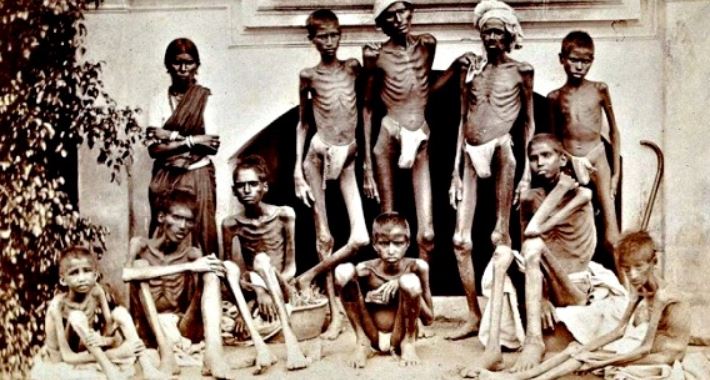
The devastating Odisha Famine of 1866 remains one of the darkest chapters in Odisha’s history. Triggered by drought, crop failure, and a poor colonial response, it led to the death of nearly one million people. Mass starvation, disease, migration, and the collapse of local livelihoods wiped out a large portion of the population, leaving a painful mark on the state’s history. The lesson from this tragedy is clear: food security is not optional. Strong storage systems, fair distribution, climate-resilient agriculture, and continuous support for farmers are essential to prevent history from repeating itself. Even today, unpredictable monsoons continue to affect crop yields in many districts of Odisha, making food preparedness a continuing concern.
Water: Scarcity in the Heat
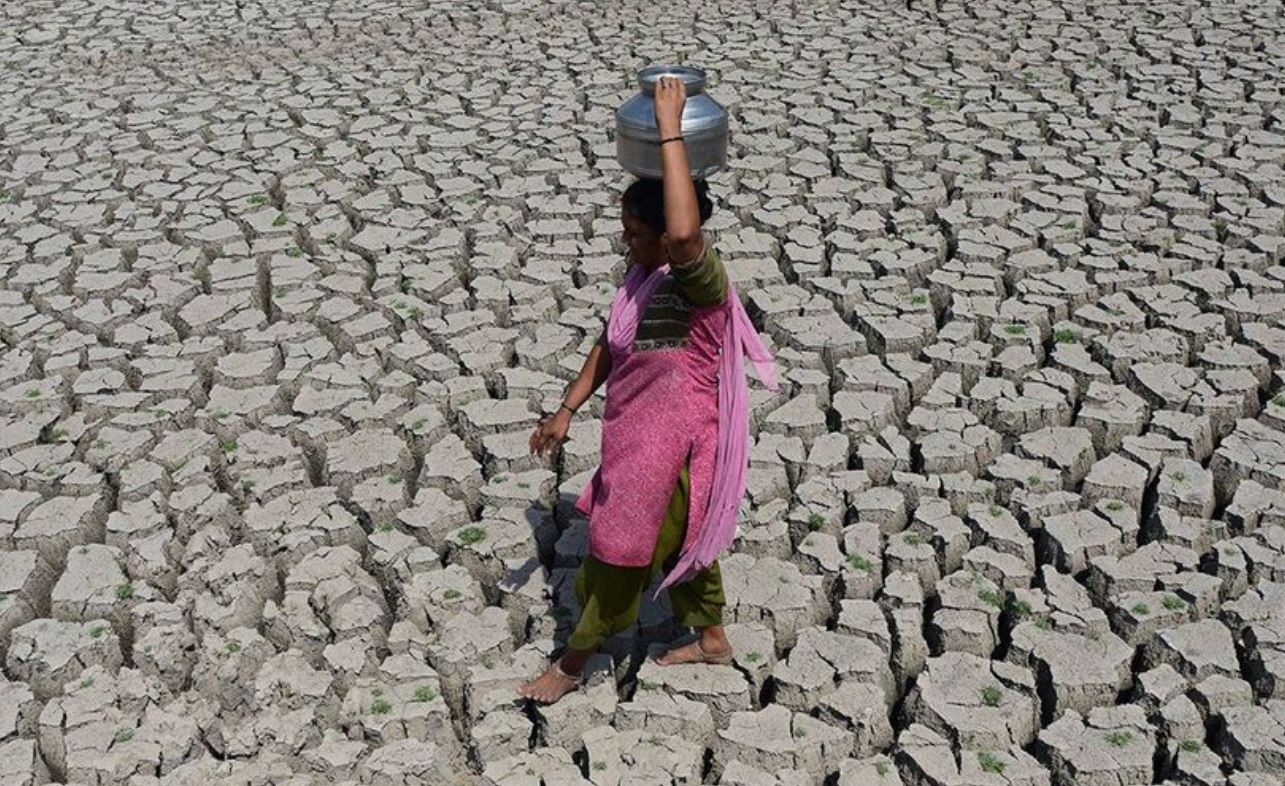
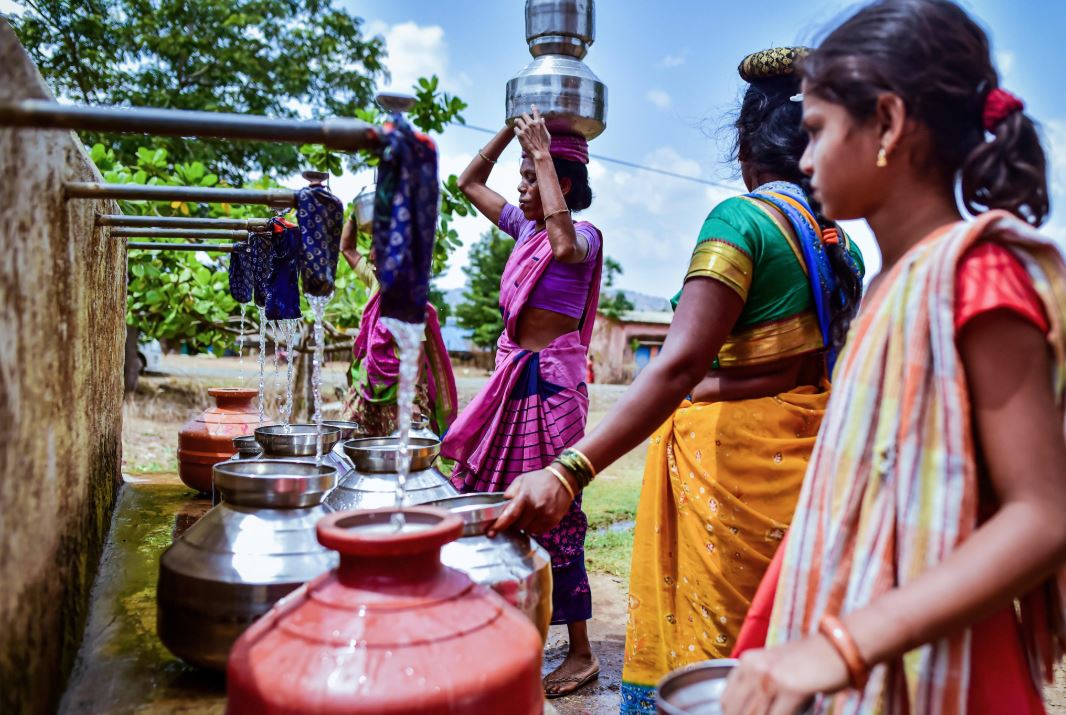
In recent years, especially during peak summers, western Odisha has repeatedly faced severe water shortages. With temperatures often soaring beyond 45°C, hand pumps dry up, reservoirs shrink, and rural communities struggle to access clean drinking water. The impact of this scarcity goes far beyond thirst. Women and children often walk long distances carrying water, which affects their health, education, daily income, and household routines. Water scarcity also directly impacts agriculture, reducing crop productivity and affecting rural livelihoods. For a state like Odisha, where both floods and drought coexist, water management is a long-term necessity. Measures such as rainwater harvesting, groundwater recharge, better irrigation planning, and increased water conservation awareness are essential to building resilience.
Electricity & Water Collapse During Disasters
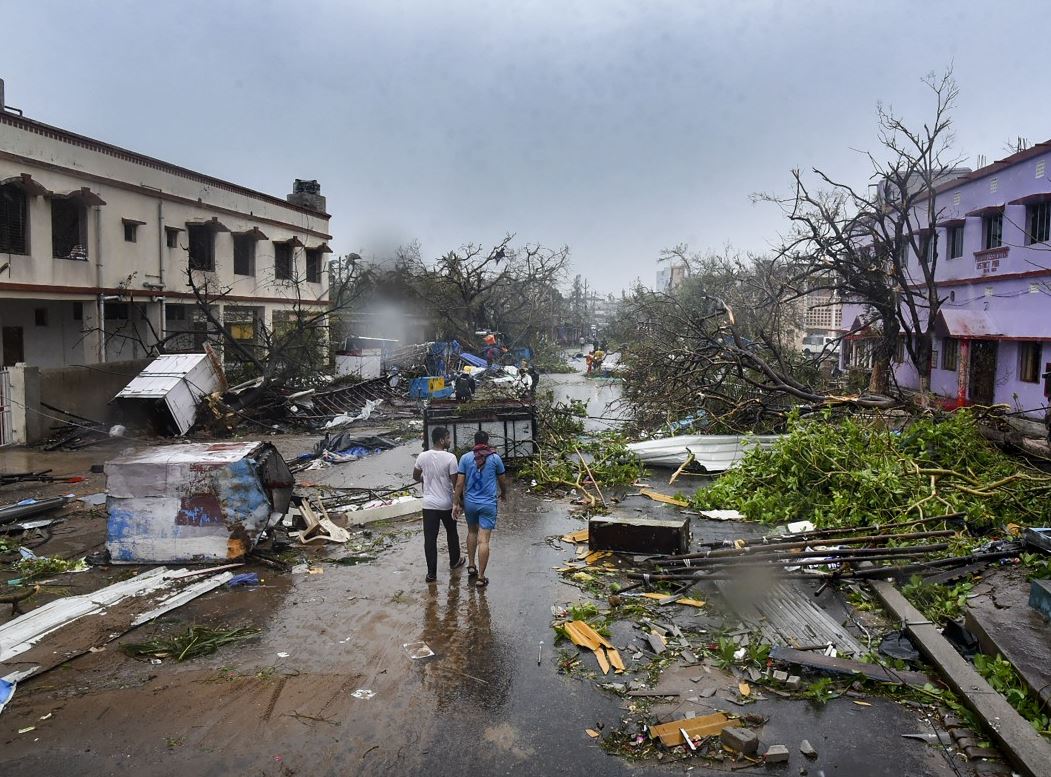
When Cyclone Fani struck in 2019, cities like Bhubaneswar were left without electricity for days, bringing urban life to a standstill. The immediate impact was visible in communication breakdowns, lack of mobile charging and internet connectivity, disruption of water supply, and severe challenges for hospitals and emergency services. Traffic systems also collapsed due to the absence of power. In urban areas, the absence of electricity often also means the absence of water, as most supply systems depend on electric pumping. This crisis reminded us that electricity is not merely a convenience; it is essential for survival.
Fuel Shortage: When Movement Stops
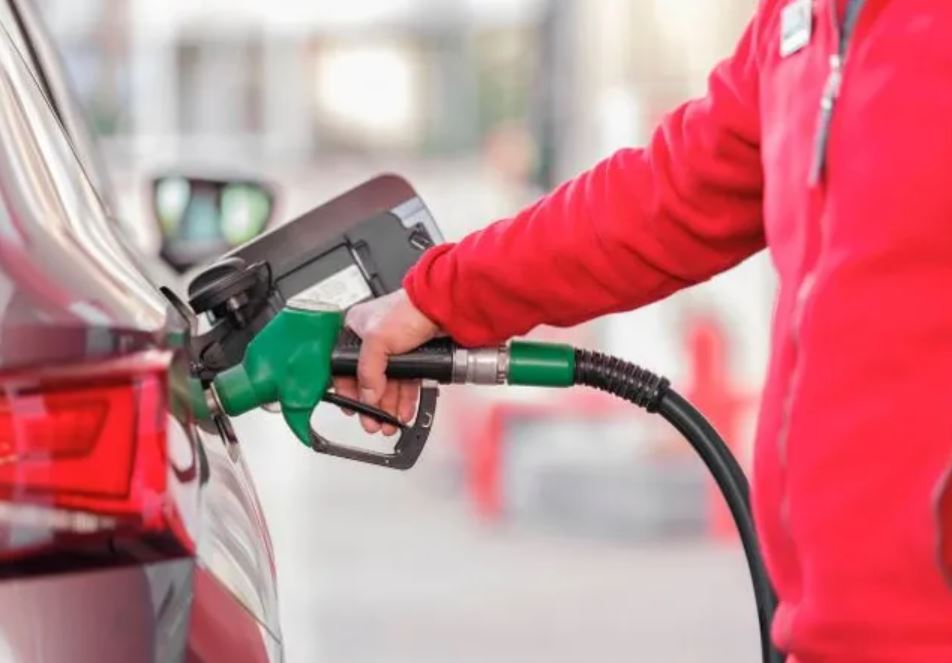
In 2025, transport and driver strikes created a fuel-like crisis across Odisha, exposing how deeply everyday life depends on uninterrupted mobility. Petrol pumps witnessed long queues, transport services slowed down, and essential supply chains began to suffer. The impact was felt almost immediately, with a rise in vegetable and milk prices, disruption in school and office commutes, delays in public transport, and panic buying by consumers. Markets in cities like Bhubaneswar and Cuttack experienced supply pressure as trucks carrying essential goods were delayed. This situation clearly highlights that transport fuel supports not only vehicles but the economy itself, influencing the movement of goods, daily routines, and market stability.
Shelter Crisis During Cyclones
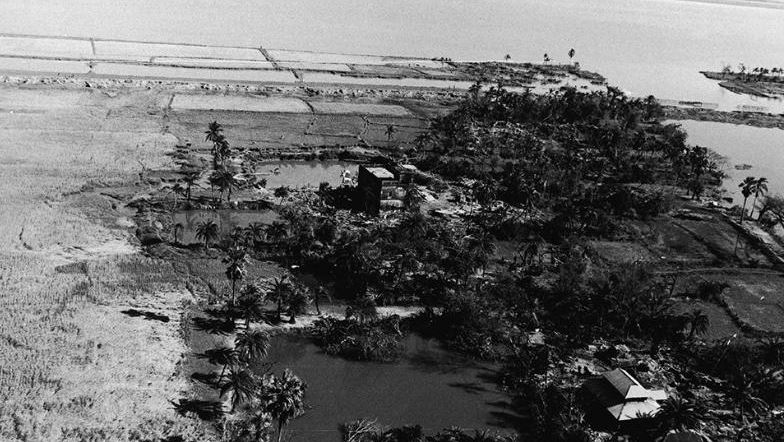
The 1971 Odisha Cyclone caused widespread destruction, leaving thousands homeless and creating one of the most severe shelter crises in the state’s history. Even today, recurring floods and cyclones continue to displace families in coastal districts such as Puri, Kendrapara, and Jagatsinghpur. The impact goes far beyond the loss of homes, often leading to the displacement of families, a shortage of food and clean water, sanitation crises, and an increased risk of disease outbreaks. These recurring disasters remind us that preparedness saves lives.

Healthcare Essentials: Another Silent Necessity
One often ignored yet critical essential is healthcare access. During floods, cyclones, or supply crises, shortages of medicines, oxygen, ambulances, and hospital power backup can put lives at immediate risk. In moments of emergency, the availability of healthcare resources becomes the difference between safety and tragedy. The COVID years have already taught us how quickly essentials such as oxygen cylinders, life-saving medicines, and hospital beds can become scarce. The crisis exposed the fragility of healthcare systems and highlighted the urgent need for stronger preparedness. For Odisha, this remains a crucial lesson for the future, especially in building resilient medical infrastructure and emergency response systems.
The Bigger Picture
These examples reveal a common truth: essential resources become visible only in their absence. Whether it is food, water, electricity, shelter, healthcare, or fuel, their shortage does not merely disrupt convenience; it challenges survival itself. Odisha’s journey, however, also reflects resilience and progress. From improved cyclone response systems to stronger urban planning and disaster management, the state has made significant strides over the years. Yet, the risks remain, particularly in a world increasingly shaped by climate change, extreme weather events, and geopolitical conflicts.
The real question is not how we manage shortages, but why we wait until they happen. When essential things disappear, we lose more than comfort; we lose stability, safety, and control over daily life. It is time we start valuing the things that quietly support us every day before their absence teaches us the hard way.