


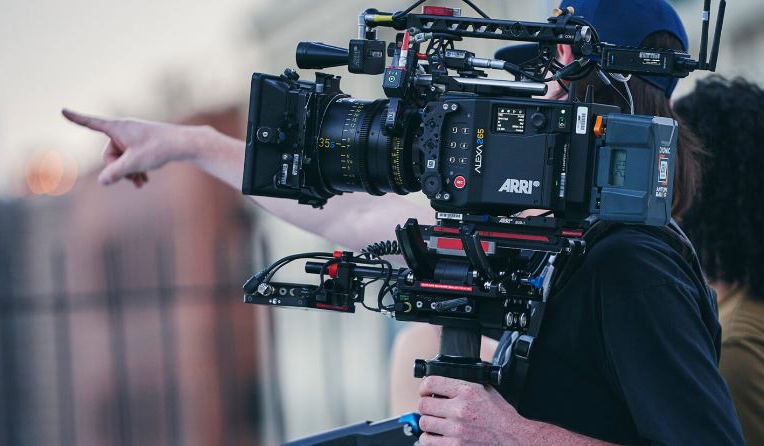

The Silent Revolution Behind the Scenes: Cameras in Indian Filmmaking
Long before cinema halls echoed with applause or streaming apps brought the silver screen to our palms, there was just light, a reel of film, and a camera that tried earnestly and with love to capture life as it happened.
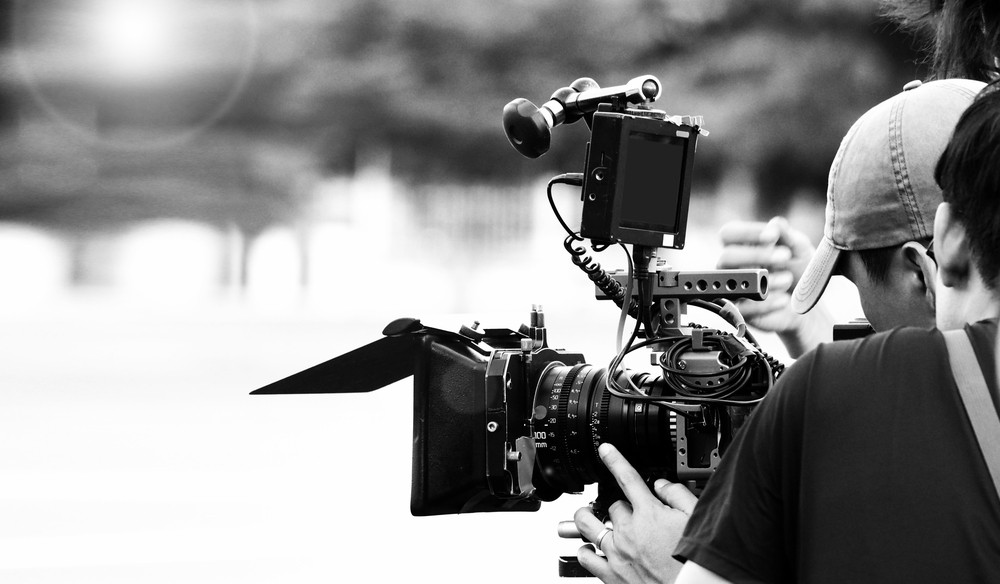
Cameras have always been at the heart of filmmaking, but their journey through Indian cinema is a story few outside the industry really know. While we remember actors and directors, the silent observer, the camera has watched it all: shifting eras, evolving stories, and changing technologies. And now, it's telling a story of its own.
When the Reel Was Real
In the early days of Indian cinema, when the world was still mesmerized by moving pictures, cameras were more than tools; they were curiosities. Heavy, mechanical, and imported, these early film cameras had to be cranked by hand, with long reels of celluloid wound inside like spools of fragile magic.
Directors had one or two takes at best. Lighting was a gamble. There were no monitors to preview a shot. You filmed, hoped for the best, and waited for the film to develop.
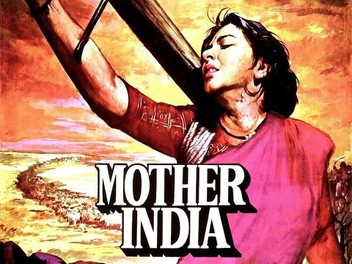
But what those early cameras lacked in sophistication, they made up for with character. They gave us the grainy charm of Mother India, the warmth of Guide, and the intimacy of a thousand local dramas and romances. Every shot was artful by necessity.
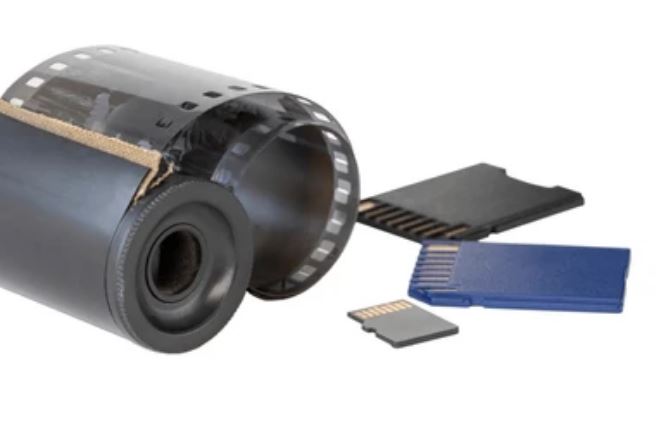
From Film Rolls to Memory Cards
In the early 2000s, the game quietly changed.
Digital cameras made their way into studios and indie sets. Gone were the expensive film rolls and cumbersome loading mechanisms. In came Canon DSLRs, Sony PD cams, and eventually RED Digital Cinema and ARRI Alexa cameras, ushering in an era of instant playback, cleaner post-production, and an entirely new visual language.
This was also the period when regional filmmakers began to take creative risks. DSLR filmmaking became a gateway. Budgets didn’t need to be massive anymore, and neither did the equipment. One popular example was a full-length indie film shot on a Canon 550D, a camera built for photography, but used masterfully for motion pictures.
Rudrakanta Singh, a seasoned cinematographer known for his work in the Odia Film Industry, reflects on that shift: “The Canon DSLRs were a blessing for many of us. I remember shooting a short film in Koraput using just a 600D with a nifty fifty lens and bounce boards. The images were surprisingly cinematic for the time. It gave birth to a whole new wave of storytellers who didn’t have to wait for a producer to hand them a RED.”
Known for his visually rich work in Odia films like Bou Buttu Bhuta, Malyagiri, and My Sweet Housewife, Singh explains how the local film landscape has evolved: “Today, even regional sets are slowly embracing high-end tools. I’ve recently worked on a project where we shot with the Blackmagic URSA Mini Pro G2, great for natural light shooting, compact, and cost-effective.”
The Modern Era of Visual Storytelling
Today’s film cameras are marvels of engineering. Whether it's the Netflix-approved ARRI Alexa LF, Sony FX6/FX9, or RED Komodo and V-Raptor, these machines are designed to capture emotion at the highest quality possible, sharp in detail, rich in color, and vast in dynamic range.
At the same time, there’s an explosion in the usage of mirrorless cameras like the Sony A7S III, Canon R5C, and even the Panasonic Lumix S1H, especially for web series, music videos, and ad films. Lightweight, low-light performers and packed with high frame-rate options, these cameras offer filmmakers versatility like never before.
“When I started, even getting access to a decent DSLR for indie shoots was a challenge,” adds Rudrakanta Singh. “But today, we’re using cameras like the Blackmagic URSA Mini Pro G2 and occasionally even RED Komodo for larger-budget Odia projects. We recently used the Canon EOS C70 for Malyagiri, and it worked wonders with the forest lighting,” says Rudrakanta Singh, who has shot some of the most visually engaging scenes in contemporary Odia cinema.
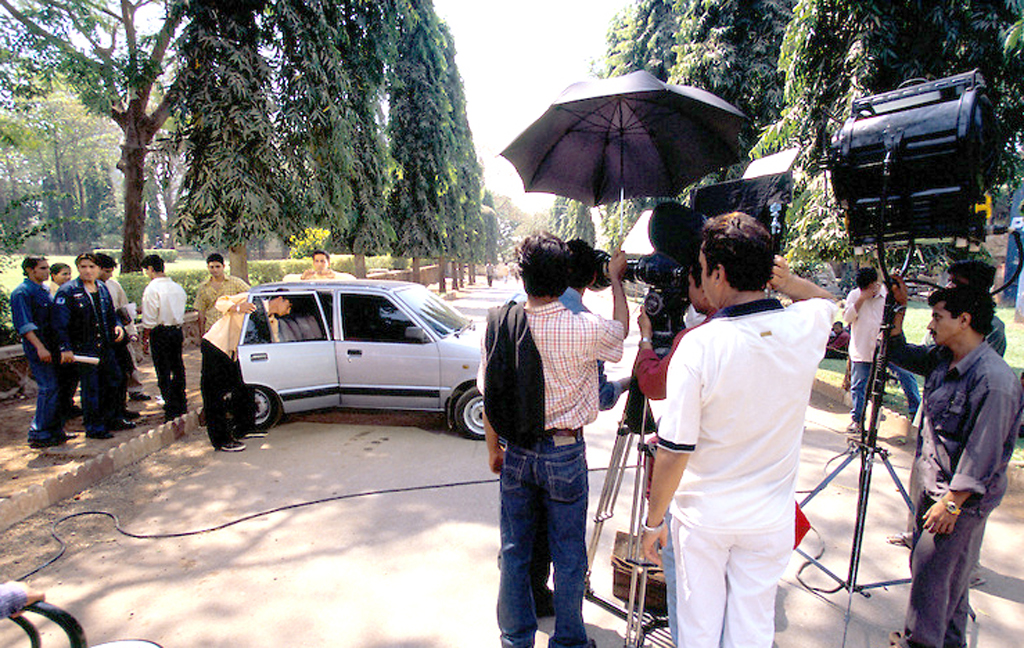
“What excites me today is how Odia cinema is pushing visual boundaries. Earlier, cinematography was often functional. Now, it’s artistic. We are color grading more seriously, working with LUTs, shooting in raw formats, and even experimenting with drones and gimbals for dynamic camera movement. The storytelling has matured, and the camera follows suit.”
Singh adds, “I remember shooting a night scene in Bou Buttu Bhuta with just a single portable LED and the Sony FX6. Ten years ago, this would’ve been unimaginable. Today, even with budget constraints, the tools let us dream bigger.”
“Cinematographers in today's day and age have flexible options in terms of choosing the gears like cameras and lenses,” says Jyotiprakash Rout, an independent cinematographer from Mumbai known for his work in Mission Raniganj, Ice Road Truckers (Discovery+), and Khatron Ke Khiladi (Colors TV).
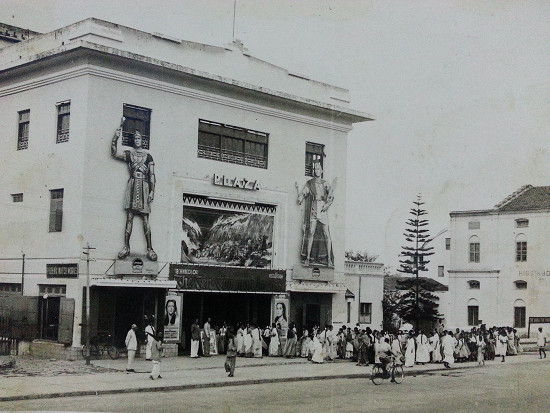
He adds: “If you understand the craft as a storyteller, it's much easier today in terms of technology—unlike the old days. In the celluloid era, you had to pump in a lot more light just for the film to register the image. But today, camera sensors have become so sensitive to low light that we can now design lighting with greater efficiency and creativity, using fewer sources. It’s also economical for production without sacrificing the visual quality.”
“The quality of your visuals now depends more on your aesthetic decisions than the camera itself. For indie or small-scale films, compact bodies like the Sony A7 series or FX3 are fantastic for gorilla-style shooting and cramped locations. But for full-fledged cinematic productions, I’d go with something like the Alexa 35, RED Helium, or Sony Venice. These give you unprocessed, cinematic images that are flexible in post-production.” says Rout.
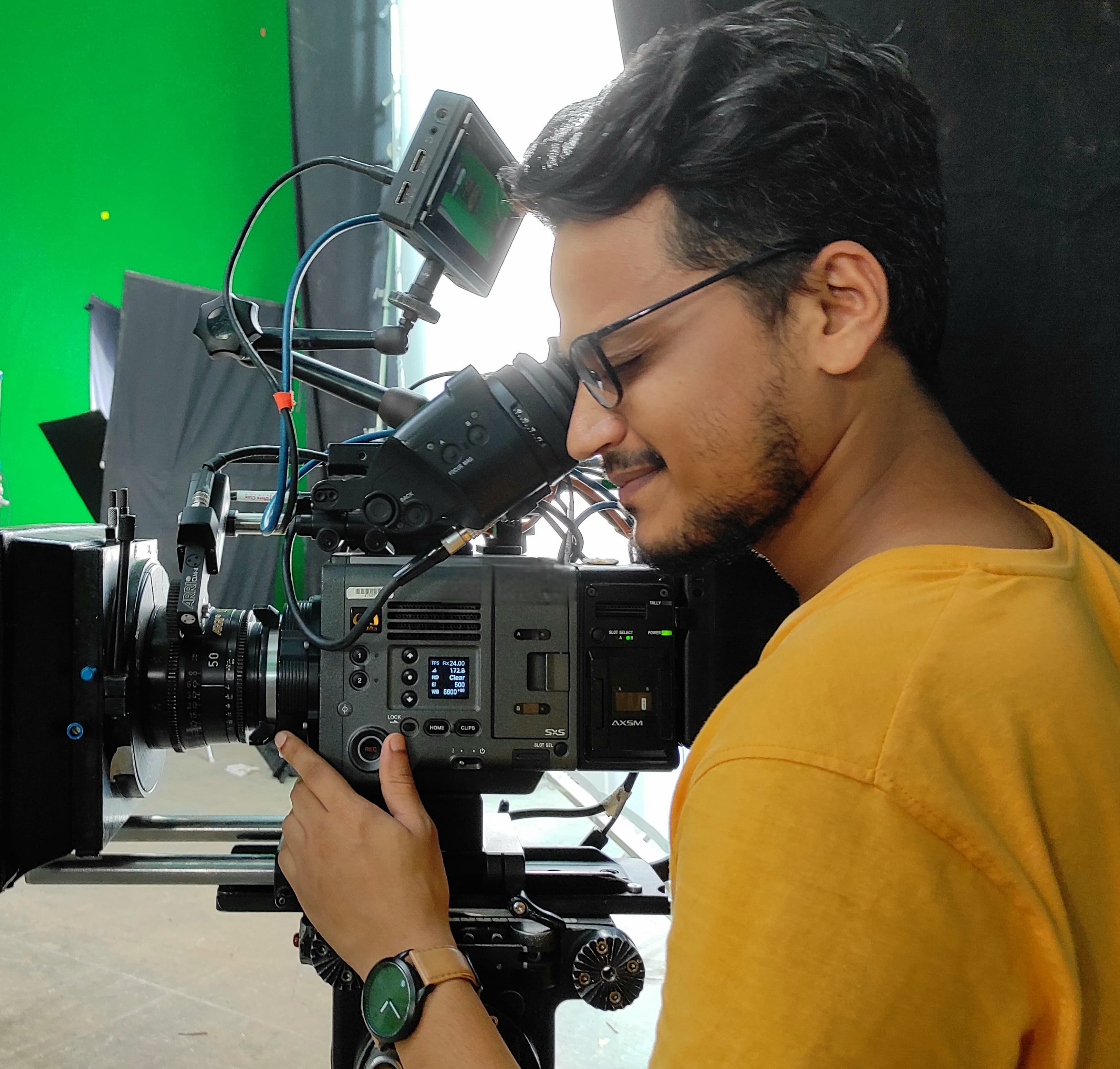
Mentioning about the projects he has worked on, Rout says: “On Mission Raniganj, we shot on the Sony Venice for its dynamic range and beautiful skin tone rendition. Most of my other work, including Khatron Ke Khiladi, has been on Sony FX6. I shoot a lot of ad films on the Alexa 35—it’s robust, color-accurate, and fits seamlessly into a commercial workflow.”
“It’s not about rules or trends anymore. It’s about smart decisions and knowing which tool fits your story.”
When Cameras Became Characters
With all this tech at our disposal, the role of the cinematographer has evolved from a camera operator to a complete visual architect.
It's not just about exposure or focus anymore. It's about understanding what sensor size to use for emotional depth, which lens distorts or flattens a subject, and how much grain to introduce to evoke nostalgia. Cameras now aren’t just passive observers; they’re collaborators in the storytelling process.
Rudra agrees: “Even regional stories now demand polish. And cameras like the Blackmagic Pocket Cinema Camera 6K, Sony FX30, and even ARRI Amira are helping local teams bridge that gap between ambition and reality.”
He smiles and says, “Sometimes, I walk onto a set and see two assistants treating a camera like it's sacred. And in a way, it is. Because it holds the entire vision inside its body.”
Democratizing Cinema
One of the biggest gifts of modern camera tech is accessibility. Earlier, film cameras were priced like small apartments. Today, a filmmaker can start their journey with a Panasonic GH6, Canon R50, or even an iPhone 15 Pro, and still make it to film festivals.
Jyotiprakash emphasizes, “You don’t need a ₹1 crore setup to make a cinema. What you need is clarity of vision. I’ve seen a music video shot on a Sony A6400 get millions of views just because the framing and color tone felt original. The audience cares about emotion, not megapixels.”
He smiles and adds, “But yes, when you do get a chance to work with gear like the Alexa Mini LF or Sony Venice 2, it’s like going from pen and paper to calligraphy.”
The Future in Focus
The future of cameras in Indian cinema is as exciting as the stories they’ll help tell.
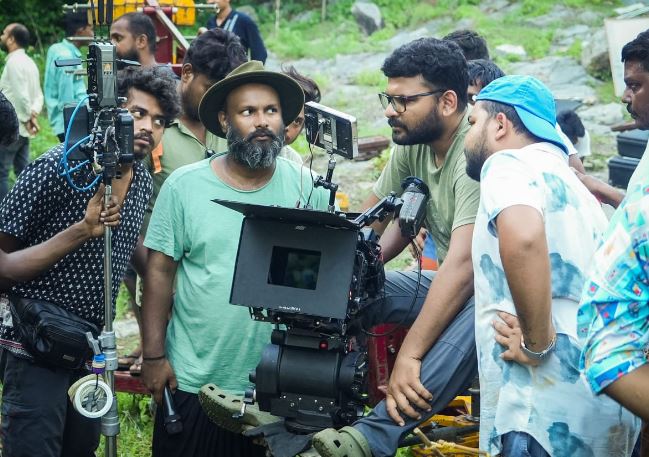
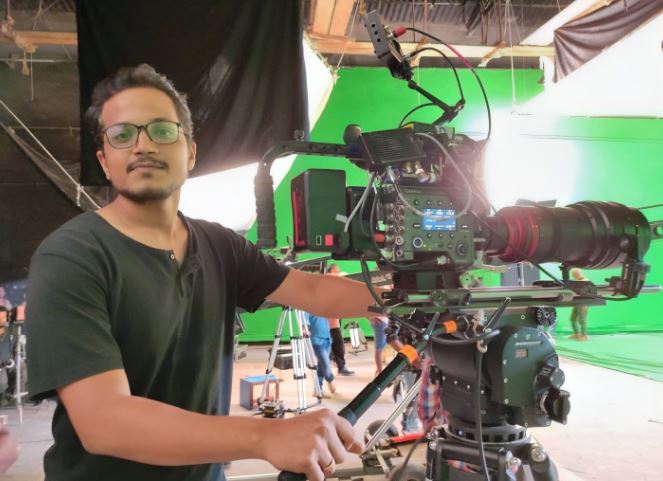
From AI-based autofocus and virtual production using LED walls, to 360-degree immersive cameras for VR, filmmaking is no longer bound by the laws of traditional space or time.
Even regional creators are exploring hybrid workflows, shooting on Sony FX6 for the main footage, DJI Osmo Pocket for run-and-gun sequences, and drones like DJI Inspire 3 for sweeping aerials.
The Final Frame
As Indian cinema expands its vision and ambition, the camera continues to be its most trusted companion. The journey from crank-handle film reels to touchscreen autofocus is more than just technological; it's philosophical.
The camera today doesn’t just capture life. It interprets it.
Whether you’re a filmmaker in a Mumbai studio with an ARRI Alexa 65 or an aspiring storyteller in Bhubaneswar filming sunsets on a Lumix S5, it’s not the size of the camera that matters anymore, but the size of the story.
Because ultimately, every great story deserves to be seen. And the camera, as always, is just waiting to hit record.
