


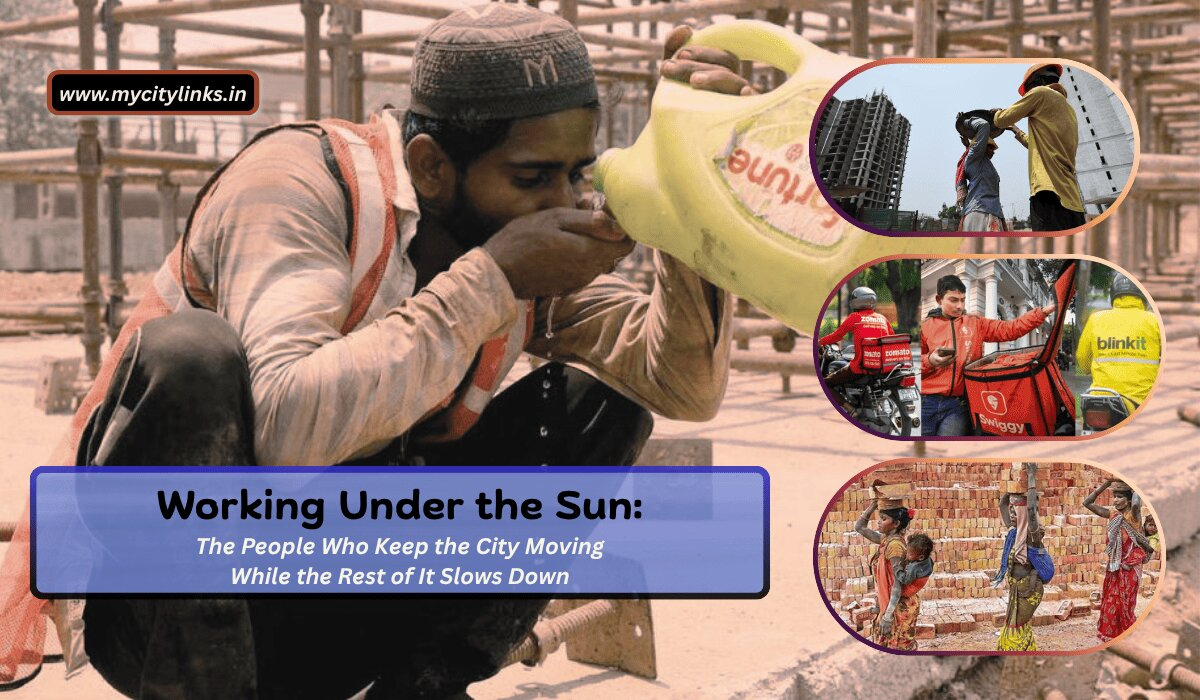

Working Under the Sun: The People Who Keep the City Moving While the Rest of It Slows Down
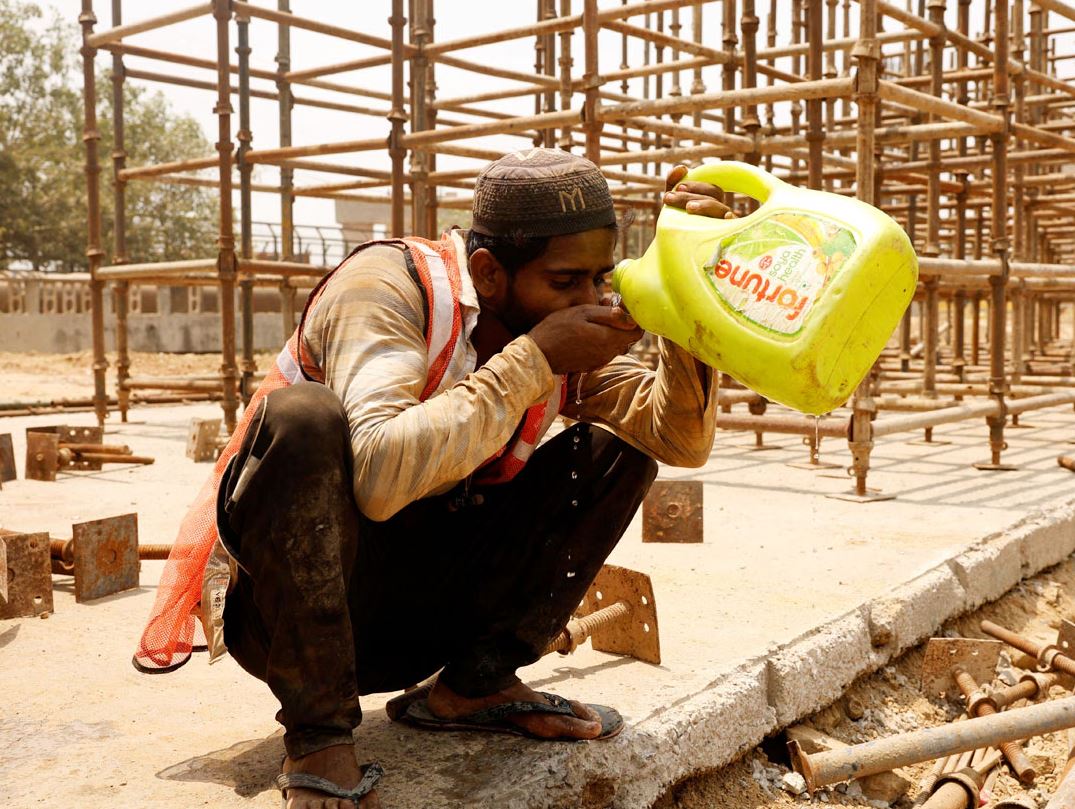
By the time most of the city begins adjusting its routines to escape the summer heat by closing windows, switching on air conditioners, postponing errands and searching for shade, another section of the city begins its longest shift of the day. They are already on the roads. They carry bricks up unfinished staircases, push vegetable carts across heated streets, repair pavements that burn under their feet, stand at traffic intersections without moving and pull handcarts through marketplaces where even the wind feels tired. For them, summer does not arrive as a season. It arrives as a test of endurance. "When the sun becomes stronger, our work does not become less. Only our effort becomes more," says Bansidhar Majhi, a construction helper from Nuapada district who has been working across multiple building sites in Bhubaneswar for the last three years. Across India, millions of workers continue to work under the open sky during the harshest months of the year. Construction workers, sanitation staff, street vendors, delivery personnel, mechanics, transport loaders and daily wage earners form the invisible backbone of urban life. Their presence is constant, yet their struggles during extreme summer conditions often remain unnoticed.
India’s Workforce Under the Open Sky
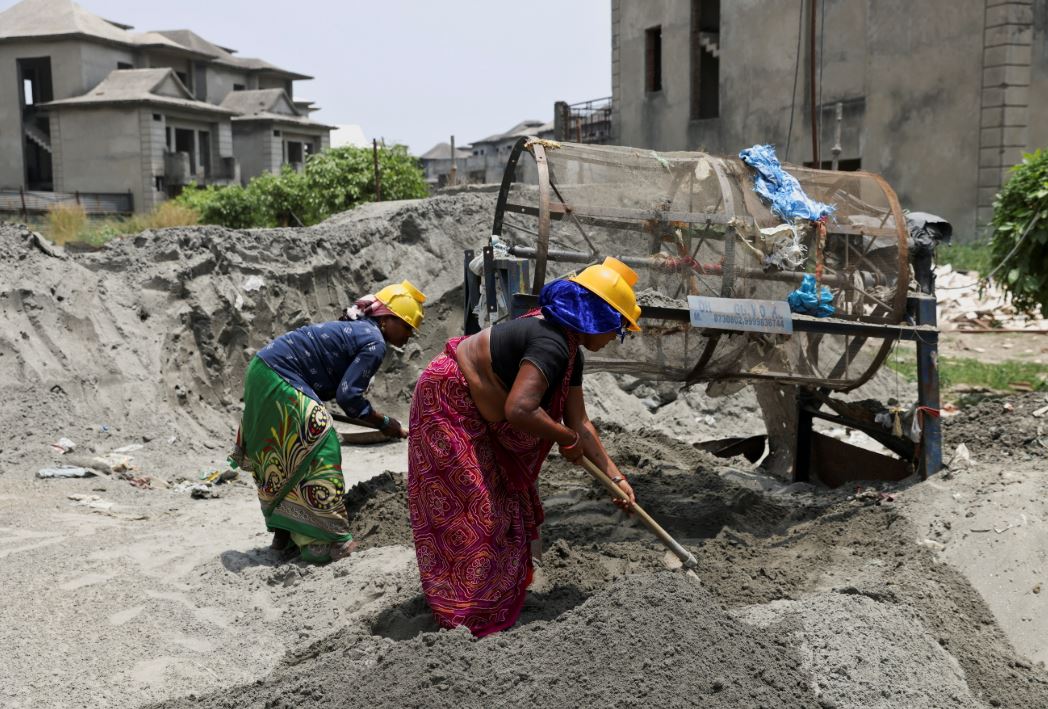
Working under the sun has always been part of India’s economic structure. A large proportion of the country’s workforce still depends on occupations that cannot shift indoors during peak summer conditions. Agriculture, construction, vending, waste collection, transport handling and roadside services remain heavily exposed to direct heat across the country. While offices can adjust timings and schools can declare early closures, daily wage earners rarely have that flexibility. "In villages we worked in the fields, but in cities the roads feel hotter than the soil," says Ranjit Hansda, a migrant labourer from Mayurbhanj district currently working at a roadside drainage repair project in Bhubaneswar. Across India, informal-sector workers make up nearly 80–90 per cent of the workforce, according to labour studies cited by policy organisations. This means that for the majority of working citizens, climate conditions are not background factors, but they are workplace conditions. Heatwaves therefore do not just affect comfort; they affect productivity, safety and income security. Outdoor labour in India has historically been associated with resilience, but climate change is gradually transforming resilience into risk. Each successive summer now arrives with longer heat spells, higher surface temperatures and shorter recovery windows between peak heat days.
Odisha’s Summers: Heat, Humidity and Economic Reality
Odisha’s summers bring a combination of temperature and humidity that makes outdoor work particularly demanding. Workers across districts such as Bolangir, Kalahandi, Sambalpur, Balasore and Khurda continue working through conditions that frequently cross 40°C. In coastal belts, humidity increases exhaustion levels faster than in dry interior regions. "Sometimes the humidity makes breathing difficult while working, but stopping work means losing the day’s income," says Lingaraj Pradhan, a road construction worker from Boudh district. For daily wage earners, missing one working day can mean postponing groceries, delaying school-related expenses for children or borrowing money for household needs. Summer, therefore, becomes both a physical challenge and a financial calculation. Odisha’s annual heatwave preparedness campaigns reflect growing awareness about this challenge. Public announcements, altered school timings and district-level advisories attempt to reduce exposure risks, but workers in informal sectors continue to remain the most vulnerable.

Bhubaneswar: A City Built in the Sun
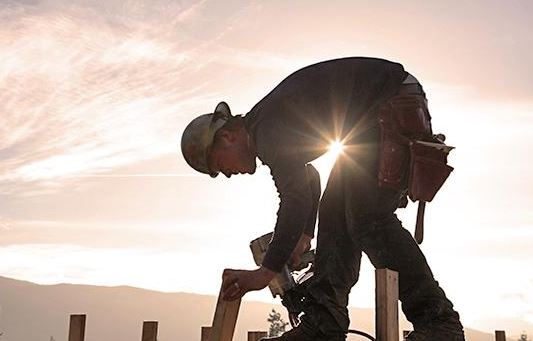
Bhubaneswar’s expanding skyline reflects the labour of thousands of workers who spend their entire day outdoors. Residential corridors in Patia, infrastructure expansion along Cuttack Road, institutional developments in Chandrasekharpur and commercial activity across Rasulgarh all carry the imprint of workers who operate under direct sunlight. "We start early in the morning, take rest when possible and then continue again. Otherwise, the building work cannot finish," explains Mahesh Paswan, a migrant mason from Bihar working at a housing site near Patia. Iron rods absorb heat quickly, concrete surfaces radiate warmth continuously, and dust increases dehydration risk. Yet their schedules remain tied to project deadlines rather than temperature charts. These are the workers who build the shaded apartments where others later escape the heat.
Vendors Who Walk the City Instead of Sitting in It
Across Bhubaneswar’s neighbourhood streets, fruit vendors, vegetable sellers and seasonal traders walk kilometres every day pushing carts loaded with produce. Summer increases both their physical strain and their opportunity to earn. "Watermelon sells more in summer, so we cannot stop even if the sun is strong," says Ramesh Naik from Nayagarh, who travels daily into the city with seasonal fruits. Vegetable vendor Sulochana Behera from Kendrapara shares a similar experience. "By afternoon, the road becomes very hot, but that is also when customers return from offices and markets become busy," she explains. A lemon-water seller near Vani Vihar adds another perspective: "Summer is difficult for us, but it is also the season when our sales increase the most." Street vending is not stationary work. It is moving work. Vendors follow customers, traffic patterns and neighbourhood rhythms, and during summer months, that movement happens on heated roads for hours at a stretch.
Women Workers Carrying Double Responsibilities
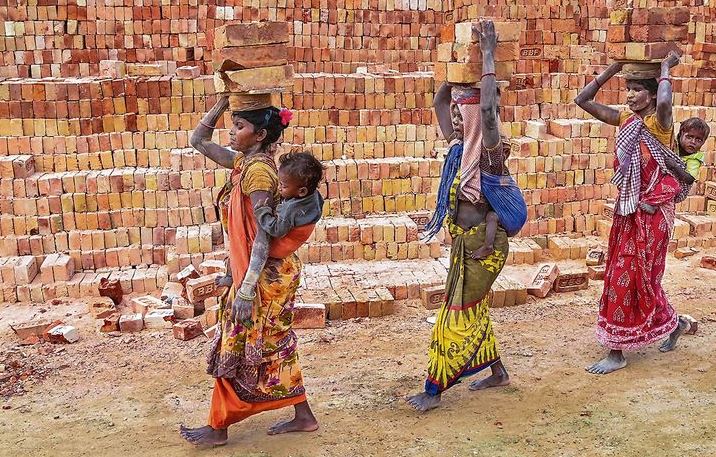
Women workers form a large but often overlooked segment of the outdoor workforce during the summer months. From construction helpers and sanitation workers to roadside vendors and domestic workers travelling between neighbourhoods, their exposure to heat remains constant. "We carry bricks like everyone else on site. After returning home, we still have household responsibilities," says Saraswati Tudu, a construction worker from Keonjhar district. Another worker, Mina Kisku from Sundargarh district, who assists at a roadside material-loading site, explains, "We cover our heads with cloth, drink water whenever possible and continue. There is no other option." For many women workers, the workday continues even after returning home. Cooking, caregiving and household responsibilities extend exposure to heat conditions beyond formal working hours.
Sanitation Workers: The First Shift of the City
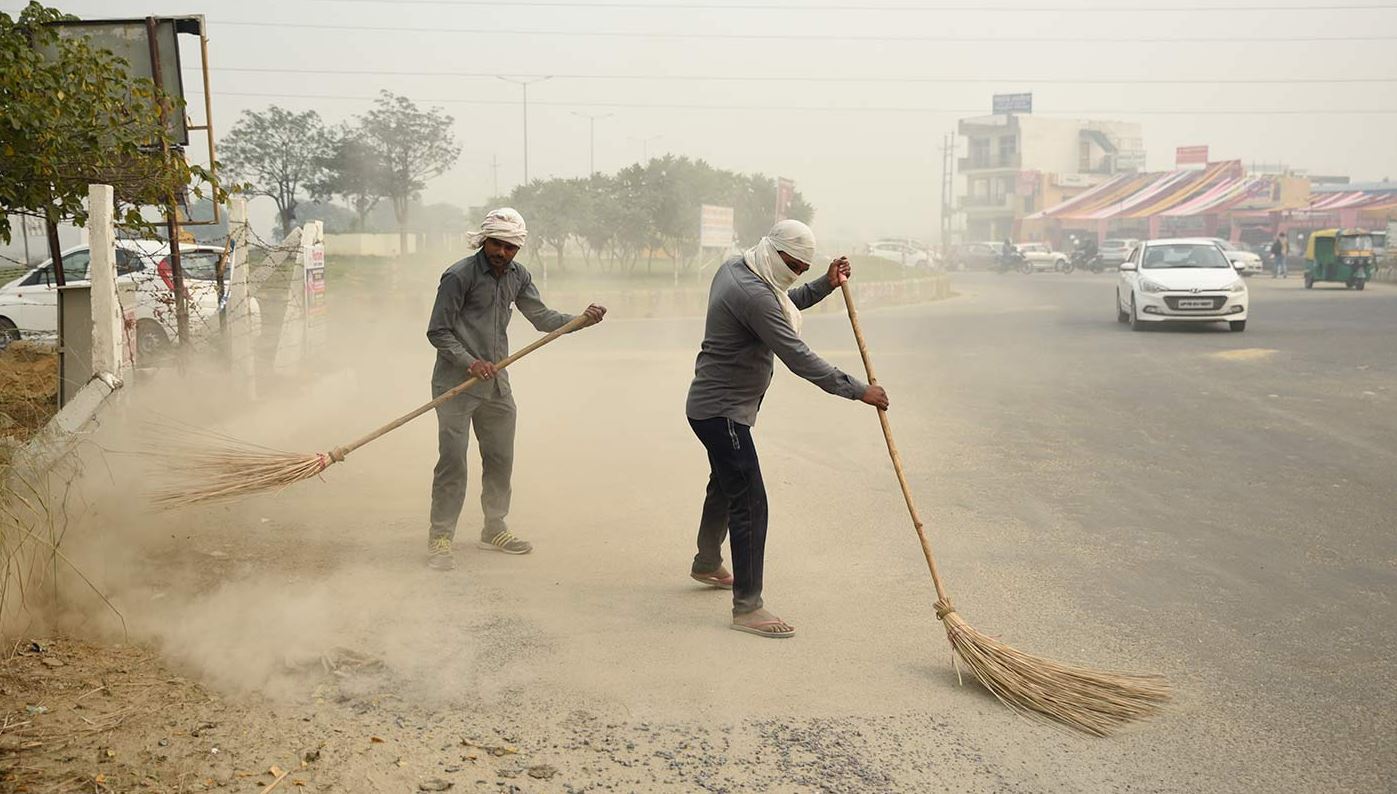
Before most residents step outside their homes, sanitation workers begin sweeping streets, clearing waste points and maintaining neighbourhood hygiene across Bhubaneswar. "Morning shifts are easier, but sometimes work continues later when the heat becomes strong," says Pratap Malik, a sanitation worker associated with municipal operations. Their work ensures public health safety across the city, yet sanitation workers frequently operate in environments where reflective surfaces, limited shade availability and prolonged standing hours increase exposure risk.
Delivery Riders and the Heat Corridor of Urban Mobility
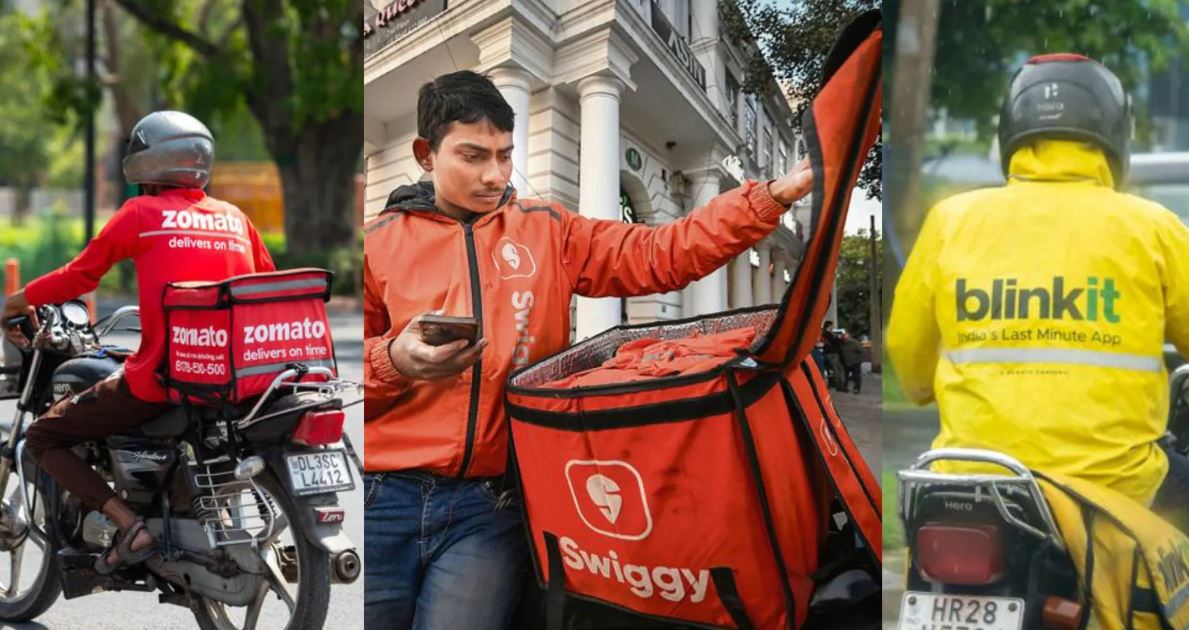
With the growth of app-based delivery services, another category of workers now spends long hours navigating heat-exposed road networks. "A helmet protects us from accidents, but during summer it also traps heat. Still, we have to continue," says Akash Kumar, a delivery rider operating across Saheed Nagar and Jaydev Vihar areas. Similarly, transport loaders working in wholesale markets face intense afternoon exposure. "Loading goods becomes slower after noon because the ground itself becomes hot," explains Dilip Sahu, a loader working near Unit-2 market area. These workers represent the logistics layer that keeps urban consumption systems functioning smoothly.
Migrant Workers: Carrying Livelihood Across Distances
Bhubaneswar’s workforce also includes a significant number of migrant labourers from districts within Odisha as well as neighbouring states such as Bihar and Jharkhand. Many of them move seasonally depending on project availability. "We travel where work is available. Summer is difficult everywhere, but stopping work is not possible," says Mukesh Singh from Jharkhand. Migration improves income opportunities but often reduces access to stable shelter, healthcare, familiarity and social support networks during extreme weather periods.
When Heat Directly Affects Income
Unlike salaried employees, daily wage earners cannot always reduce working hours during extreme summer afternoons. Missing work often means missing wages. "If we stop working for heat, there is no payment for that day," says Rajendra Nayak, a tile installation helper from Ganjam district. Heat, therefore, re becomes both an environmental condition and an economic risk factor. For informal workers, resilience is not a choice. It is a requirement.
Government Measures Supporting Workers During Heatwaves
Recognising the increasing impact of heatwaves across the state, the Odisha government issues seasonal advisories each year restricting outdoor work between late morning and mid-afternoon hours during peak heat conditions. Departments are encouraged to adjust working schedules and ensure the availability of drinking water, rest breaks and ORS support at outdoor work sites. District administrations also operate heatwave control rooms and awareness campaigns to reduce risk among vulnerable populations during peak summer months. "When afternoon breaks are followed properly, it becomes easier to manage the day," says Biranchi Jena, a scaffolding worker from Jagatsinghpur district. Such advisories represent important progress in recognising occupational heat exposure as a public concern.

Support from Contractors and Employers
Across several organised construction sites in Bhubaneswar, contractors increasingly arrange temporary shade structures, water storage units and short rest intervals during peak afternoon hours. "Earlier, we carried our own water from home. Now most sites arrange drinking water," says Debasish Rout, a construction support worker from Khurda district. While such arrangements are still evolving across the informal sector, awareness about worker safety during summer is gradually improving.
Community Organisations and Citizens Extending Support
Across Bhubaneswar, voluntary organisations, youth groups and resident associations organise seasonal drinking water distribution points near traffic junctions and marketplaces during the summer months. Religious institutions and neighbourhood associations often participate in these initiatives as part of seasonal service traditions. "Sometimes even a glass of cold water given on the roadside makes a big difference," says Gopal Nayak, a handcart transporter operating between Kalpana Square and the Market Building area. Such gestures may appear small, but for workers spending long hours outdoors, they represent meaningful moments of relief.
Health Risks of Working Under the Summer Sun
Doctors and public health experts increasingly emphasise that prolonged exposure to extreme heat can lead to dehydration, fatigue, dizziness and reduced productivity levels among outdoor workers. Workers exposed to reflective road surfaces and metal equipment face additional risks. "We try to drink water again and again, but sometimes work does not allow enough breaks," says Manoj Behera, a paving support worker from Balasore district. Simple protective practices such as hydration breaks, head coverings and shaded rest intervals significantly reduce risk levels during peak summer conditions.
The Workforce That Keeps the City Running
Every summer, Bhubaneswar adjusts its pace slightly. Offices close curtains earlier. Afternoon roads appear quieter. Schools change schedules. Residents postpone errands. Yet the city continues functioning exactly as before. Vegetables reach neighbourhood markets. Buildings continue rising. Streets remain clean. Parcels reach homes. Repairs continue across roads and drains. Transport networks keep moving. This continuity exists because thousands of workers continue their shifts directly under the sun. "People see the buildings after they are completed. They don’t always see the conditions in which they are built," says Bansidhar Majhi.
Summer 2026 and the Lesson the City Must Remember
Summer reminds cities about infrastructure. It reminds planners about climate. It reminds residents of comfort. But most importantly, it reminds us about labour. The next time we step indoors to escape the afternoon heat, pause at a traffic signal under shade or return home to cooled rooms after work, it is worth remembering the workers who remain outside long after we leave the sun behind. They are not just working under the sun. They are keeping the city alive beneath it.
